


Key Takeaways
- LIFX launches a public beta for its Matter-enabled devices to switch from Wi-Fi to Thread without new hardware.
- Existing products already contain the necessary hardware for either network, with migration controlled via the LIFX app.
- The upgrade offers a dedicated mesh network for smart home devices, improving performance while allowing users to keep their current devices.
Public Beta for Thread Migration
LIFX has launched a public beta program enabling owners of its Matter-enabled devices to switch from Wi-Fi to Thread networking. Announced during CES 2026, this initiative allows users to select their preferred connection type, facilitated by hardware present in all recently released Matter-compatible LIFX products.
The new Thread Beta lets users transition their devices to a low-power, mesh networking protocol designed for Internet of Things (IoT) devices. Unlike some multiprotocol devices, LIFX products will not operate on both networks simultaneously. Users will have the option to stick with 2.4GHz Wi-Fi or choose the Thread network via the LIFX app.
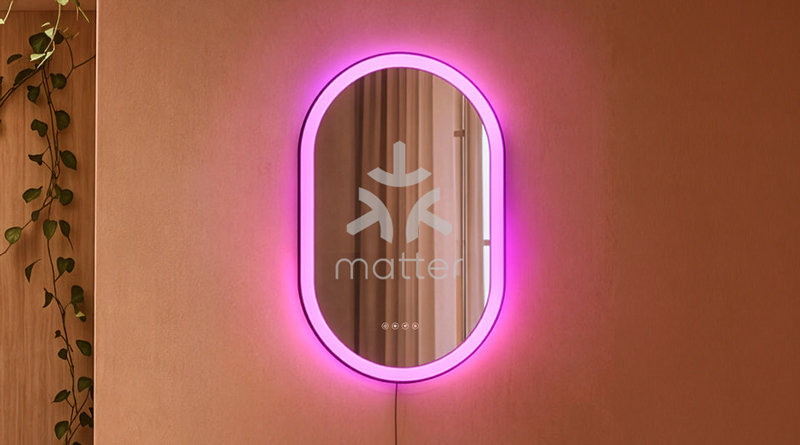
All current Matter devices from LIFX, including lights and the Smart Mirror, are equipped to support this transition. Although the migration requires recommissioning each device and resetting integrations within smart home ecosystems, users can retain exclusive functionality available through the LIFX app.
Nonetheless, there are some limitations with the beta. Firmware updates over Thread may be slower than Wi-Fi, taking 5–20 minutes depending on update size and network conditions. LIFX seeks beta testers’ feedback on performance and the specific Thread Border Routers used, as the effectiveness of the Thread network can vary widely based on individual setups.
This initiative marks a shift in LIFX’s approach, traditionally focused on Wi-Fi. The ability to upgrade current hardware to utilize Thread without purchasing new devices provides existing owners increased flexibility and enhanced smart home experiences as they scale their networks.
The content above is a summary. For more details, see the source article.









