


Key Takeaways
- A new microhub is set to open at Amsterdam Avenue and West 85th Street on the Upper West Side.
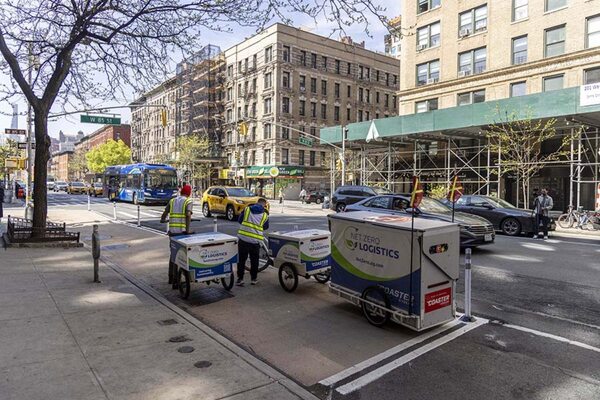
- Microhubs enable delivery trucks to transfer cargo to more sustainable transport options like cargo bikes.
- This initiative aims to reduce congestion and improve sustainability in urban areas.
Launch of New Microhub in Upper West Side
A new delivery microhub is being established at the intersection of Amsterdam Avenue and West 85th Street on the Upper West Side of Manhattan. The initiative is designed to streamline urban logistics by enabling larger delivery trucks to unload cargo at designated microhubs, where the goods can then be transferred to smaller, more eco-friendly modes of transportation, such as cargo bikes.
Microhubs serve as central points for delivery that align with the growing demand for sustainable transport solutions in urban environments. By facilitating the transfer of goods from trucks to bicycles, these hubs aim to decrease both traffic congestion and environmental impact in densely populated areas.
The project reflects a broader trend toward enhancing urban freight systems, making them more environmentally friendly. With increasing attention on climate change and urban pollution, the establishment of microhubs is a timely response to these pressing issues. By reducing reliance on larger vehicles, cities can hope to see an improvement in air quality and a reduction in noise pollution, ultimately creating a more livable environment.
This microhub is part of a larger effort by the city to promote sustainable delivery methods. The initiative not only benefits the environment but also enhances the efficiency of last-mile deliveries, making logistics smoother and faster. Local officials and stakeholders are optimistic about the role these microhubs can play in reshaping the urban delivery landscape.
Overall, the opening of the microhub on the Upper West Side represents a crucial step in advancing sustainable transportation strategies across New York City. As similar hubs are developed in other neighborhoods, the cumulative impact could significantly transform how goods are transported in urban areas. The long-term goal is to create a comprehensive network of microhubs that would serve various sectors, helping to foster a more sustainable and efficient city infrastructure.
The content above is a summary. For more details, see the source article.









