


Key Takeaways
- Commerce Secretary-nominee Howard Lutnick advocates for broad tariffs to enhance U.S. trade relationships, especially for agricultural products.
- Lutnick urges action against barriers U.S. farmers face in Canada and the EU, specifically regarding dairy and meat exports.
- Concerns arise in Congress about the potential retaliatory impact of proposed tariffs on U.S. farmers.
Senate Hearing Highlights Trade Challenges for U.S. Agriculture
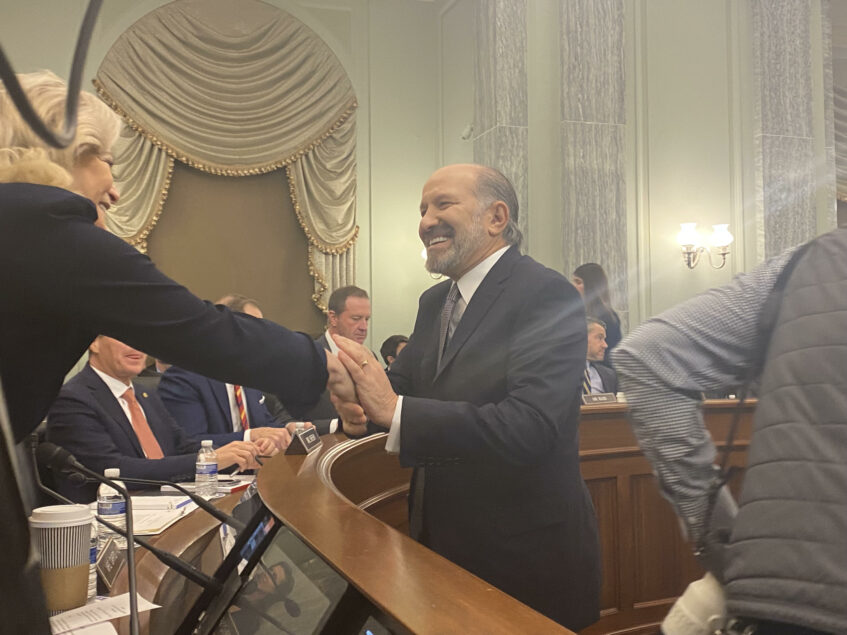
Howard Lutnick, the Commerce Secretary-nominee, defended the Biden administration’s call for comprehensive tariffs on key trade partners during a Senate hearing focused on trade and agricultural concerns. Lutnick argued that a broad tariff approach could potentially lead to better reciprocal trade relations, especially for U.S. farmers who are currently facing numerous hurdles when attempting to access foreign markets.
Lutnick specifically highlighted the challenges confronting U.S. dairy and meat exporters, criticizing Canada for its “horrible” treatment of American dairy farmers. He pointed out Canada’s restrictive tariff-rate quotas which limit U.S. dairy product access, emphasizing the detrimental impact on American producers. Furthermore, he noted the ongoing struggles of U.S. beef exports to the European Union, despite an agreement that aimed to enhance quota access.
The lack of clear resolution from a U.S.-Mexico-Canada Agreement dispute settlement panel regarding Canada’s market access compliance only adds to farmers’ frustrations. Erin Borror, of the U.S. Meat Export Federation, noted that stringent regulations hinder exports to Europe, while anticipated new EU deforestation regulations could complicate matters further.
In the hearing, bipartisan lawmakers expressed apprehension about the potential imposition of new tariffs on Canada and Mexico, fearing that U.S. farmers would suffer as targets of retaliatory measures. President Trump has threatened to implement significant tariffs on imports from these nations, linking them to broader issues like illegal migration and drug trafficking. Lutnick acknowledged these links but maintained that if Canada and Mexico acted swiftly in response, tariffs could be avoided.
On his first day in office, Trump directed the Office of the U.S. Trade Representative to study the U.S. trade deficit and suggest policies to address it, with findings expected by April 1. Lutnick indicated that this investigation might lead to broader tariffs. He expressed a preference for a macro-level approach to tariffs, arguing against targeted strategies that could unilaterally penalize specific products and worsen conditions for U.S. farmers.
Discussion also emerged around the need to boost U.S. manufacturing capabilities and competition with China. A notable portion of the hearing involved debates regarding the fate of the Broadband, Equity, Access and Deployment (BEAD) program established under the 2021 bipartisan infrastructure law. While the program received substantial funding, it has yet to produce significant results. Some senators proposed cutting the program due to concerns about its efficiency, while others defended its continuation, stressing the importance of rural broadband. Although Lutnick recognized the need for rural connectivity, he refrained from making definitive commitments to preserve the program, emphasizing the necessity for efficient use of funds.
In summary, Lutnick’s overall message encompassed the critical need to remove trade barriers for U.S. farmers while navigating the complexities of domestic and international trade policies. He articulated that any proposed tariffs should be carefully considered to protect the interests of American agriculture.
The content above is a summary. For more details, see the source article.









