


Key Takeaways
- Magdalena is expanding into biological manufacturing with a new precision fermentation facility in Guatemala.
- The strategy includes three main pillars: Biorbis for R&D, Proteva for spent yeast upcycling, and a contract manufacturing platform.
- Investments in precision fermentation startups aim to enhance operational capabilities and product offerings.
Expansion into Biological Manufacturing
Latam sugar giant Magdalena is redefining its business model by foraying into biological manufacturing, moving beyond traditional sugar, ethanol, and energy sectors. The company is establishing a state-of-the-art precision fermentation facility in Guatemala, which will annually produce 650,000 liters of high-value ingredients. This strategic initiative aims to alleviate dependency on the volatile sugar market and to establish Magdalena as a key player in the production of more lucrative substances.
The new layout encompasses three strategic branches:
- Biorbis: This research and development hub, located in Portugal, was acquired during Amyris’s restructuring process.
- Proteva: This segment focuses on repurposing spent yeast into functional protein ingredients for both animal feed and pet food.
- Contract Manufacturing Platform: This facility in Guatemala will facilitate the conversion of sugar into high-value molecules on a large scale.
With the goal of lowering production costs while optimizing existing resources, Magdalena plans to tap into its current infrastructure and feedstocks.
Benefits of Facility Location
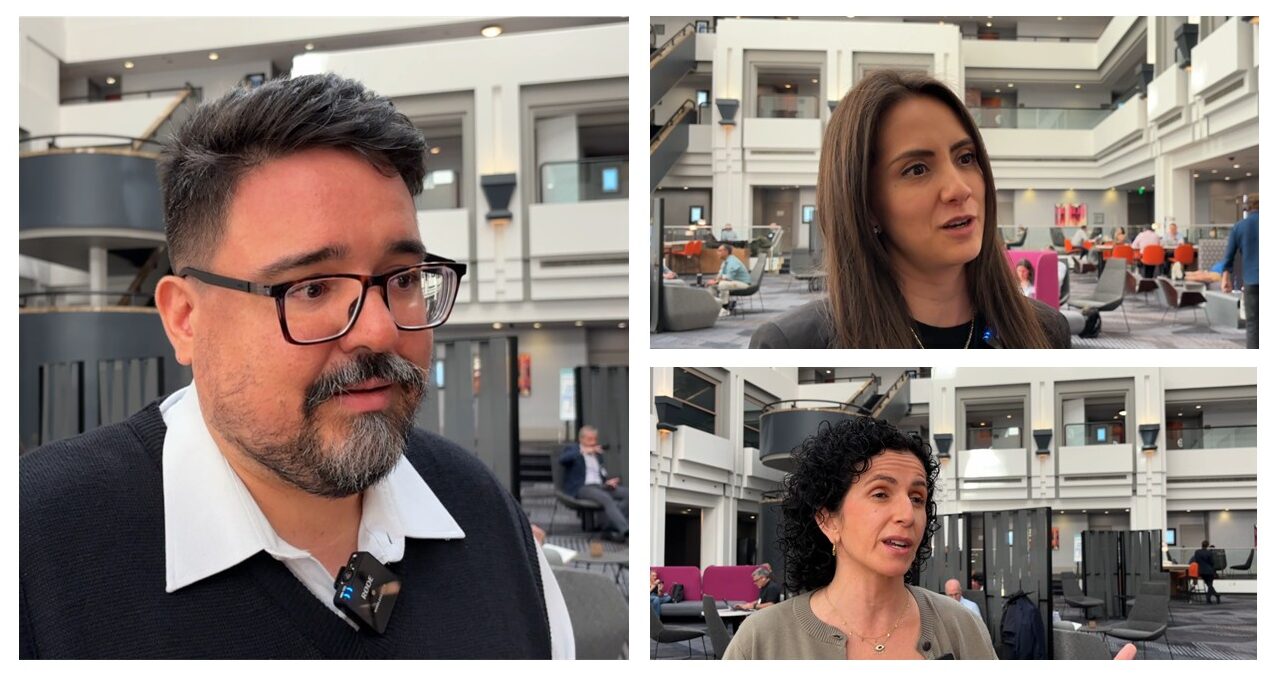
The decision to build the precision fermentation facility adjacent to the sugar mill in Guatemala is strategic, offering significant logistical advantages. Wagner Pinton Ferreira, head of industrialization, emphasized that this proximity reduces transportation costs while allowing for shared utilities and administrative resources. According to Ligia Castañeda, a portfolio manager, Guatemala offers a prime location due to its accessibility to both the US and Pacific markets, combined with lower operational costs compared to the US and Europe.
The company’s ambition involves fostering an ecosystem that not only promotes innovation but also aids partners in scaling up their processes, leveraging the available feedstock and energy generated from the sugar mill.
Facility Development Plan
The development of the precision fermentation facility will progress in three phases. The pilot facility is slated for completion by 2027, initially featuring a fermentation capacity of 50 cubic meters, escalated to 200 cubic meters by 2028, with a total of 650,000 liters accomplished by 2030. This facility aims to support diverse product forms such as proteins and enzymes from the outset, with plans for future expansion into other ingredient types.
Addressing the prevalent issue of downstream capabilities in contract manufacturing organizations (CMOs), Ferreira noted that a common challenge lies in inadequate processing equipment. Magdalena aims to have a fully equipped facility to handle downstream processes effectively, minimizing costs linked to water transport and ensuring product quality.
Commercial Strategy and Investments
The commercial strategy includes securing a few key clients to facilitate regular production along with additional capacity for occasional clients. In tandem with operational expansions, Magdalena is investing in startups through a ventures arm launched in 2023, targeting companies specializing in enzymes and sweet proteins.
Biorbis plays a vital role in this strategy by providing extensive support in process development and application testing. With a highly qualified team, Biorbis utilizes artificial intelligence to facilitate molecule discovery and development, engaging in various applications from animal feed to nutraceuticals.
In addition to protein sourcing, another focus of Biorbis is the Proteva unit, which maximizes the value of protein derived from spent yeast through nutritional prowess and functional applications like texturizing.
Overall, Magdalena’s ambitious venture into biological manufacturing signifies a transformative step in reshaping its operational focus, aiming for sustainability and innovation in ingredient production.
The content above is a summary. For more details, see the source article.









