


Key Takeaways
- New England’s energy grid faces rising peak demand, potentially doubling by mid-century.
- Battery energy storage systems can help manage costs and provide backup power.
- Public concerns over battery safety must be addressed for broader adoption of storage technologies.
The Challenges of New England’s Energy Grid
New England’s energy infrastructure is designed to meet peak demand during extreme weather, relying heavily on around 100 “peaker plants” fueled by natural gas or oil. This overbuilding can result in unnecessary costs, contributing to higher utility bills and greenhouse gas emissions. The region’s power grid operator, ISO New England, projects that electricity demand could double by mid-century due to increased electrification of homes, transportation, and data centers.
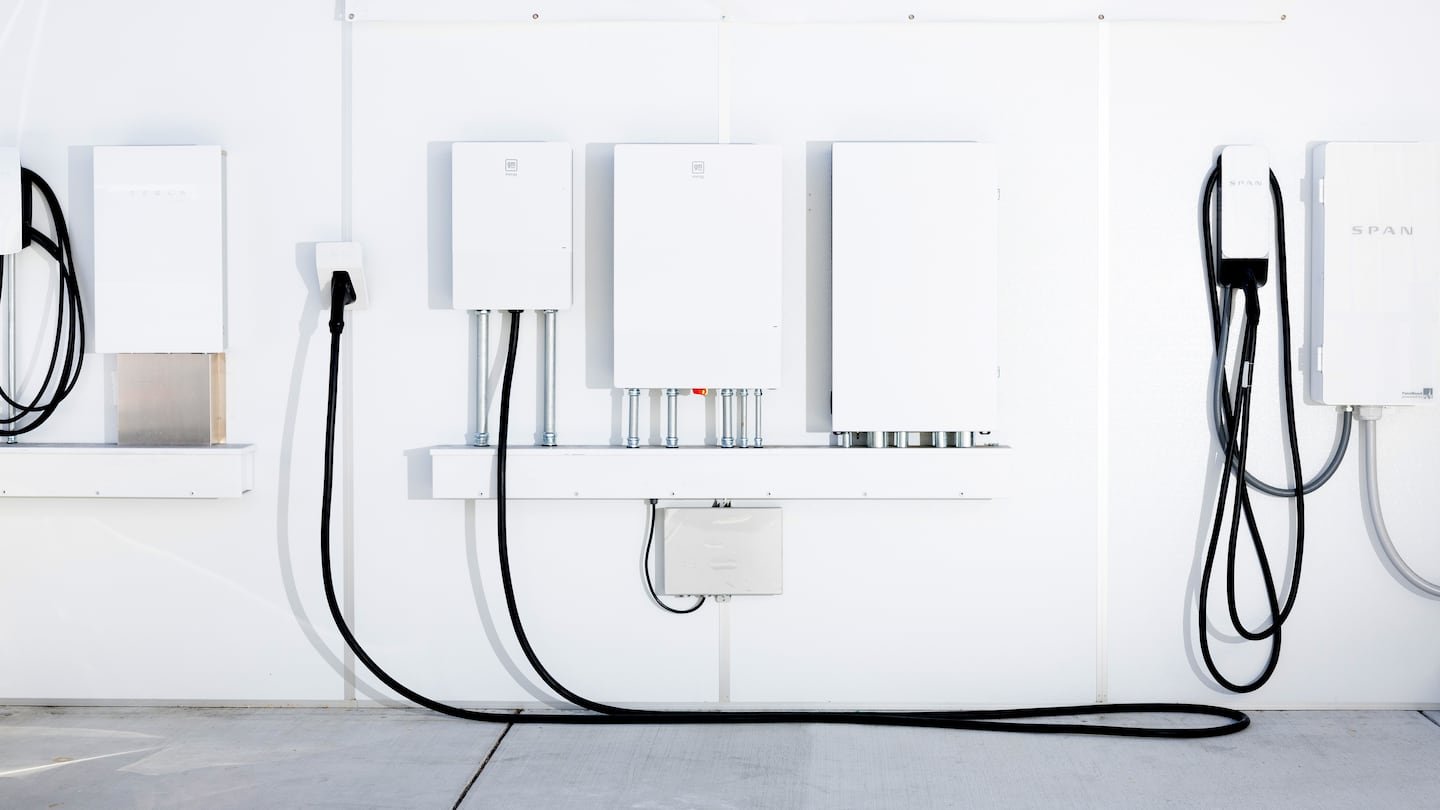
The rising costs of electricity in Massachusetts, which are over 60 percent higher than the national average, highlight the importance of finding solutions. Battery energy storage systems, which can charge during off-peak hours and provide power when demand peaks, have become increasingly viable. The cost of battery technology fell approximately 80 percent from 2013 to 2022, and they come in various forms, from large-scale systems resembling shipping containers to home-sized units.
Home batteries not only protect homeowners from price shocks caused by global market fluctuations but also allow them to sell excess energy back to the grid. Implementing more home storage could alleviate grid demands, thus benefiting all consumers.
Despite the potential, significant hurdles remain. The integration of large battery systems into the grid poses practical challenges, and financing these initiatives is complex due to their dual role in consuming and supplying electricity. Current energy legislation in Massachusetts is considering creating a statewide incentive program to promote battery storage.
Additionally, public safety concerns regarding battery fires and toxic releases must be addressed. Historical incidents, such as the January 2025 fire in California, have raised alarms, but advancements in battery technology and safety regulations since then have led to a 98 percent decrease in battery failure rates worldwide.
Community opposition has stalled projects, such as a proposed battery installation in Brighton. To move forward, developers must reassure residents by demonstrating the safety and environmental benefits of modern battery technologies. Advocacy groups stress the need for public understanding and proper community engagement.
Innovative battery designs, including those using iron and rust, show promise for both safety and efficiency. These next-generation batteries could further enhance viability. However, existing battery technologies are already capable enough, underscoring the potential for immediate action.
Editorials reflect the views of the Boston Globe Editorial Board.
The content above is a summary. For more details, see the source article.









