


Key Takeaways
- The Conference of Mayors emphasizes Medicaid’s role in reducing crime through support for mental health and substance abuse treatment.
- Research links Medicaid expansion to lower violent crime rates and reduced arrests among those eligible in childhood.
- Proposed Medicaid cuts may lead to hospital closures, affecting access to care for millions of Americans.
Importance of Medicaid in Crime Reduction
The Conference of Mayors has underscored the vital role of the Medicaid program in combating crime. The program supports crisis management and diversion strategies by funding behavioral health and substance use treatments. This proactive approach aids in reducing recidivism and stabilizing communities by addressing health needs before individuals reach a crisis point, helping to prevent homelessness.
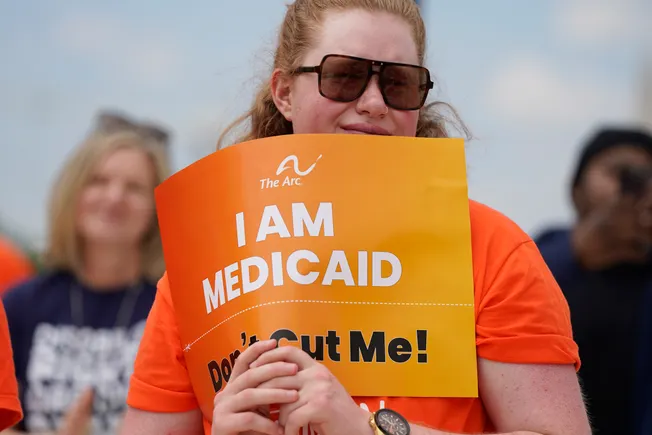
A letter from the mayors pointed out that proposed cuts to Medicaid and changes in eligibility would hinder police efforts by increasing instances where officers respond to individuals facing mental health crises, substance addiction, and housing instability. Mayor Paige Cognetti of Scranton, Pennsylvania, who participated in a recent advocacy event in Washington, D.C., stressed that maintaining, if not increasing, these health programs is essential for community safety and well-being.
Research Linking Medicaid to Crime Rates
Studies indicate a clear association between expanded Medicaid coverage and reduced crime rates. A paper published in the Journal of Policy Analysis and Management found that expanding Medicaid under the Affordable Care Act resulted in a 5.3% decline in annual reported violent crime rates. Furthermore, research from The Journal of Human Resources demonstrated that individuals eligible for Medicaid in childhood had significantly fewer arrests for property crimes, drugs, and driving under the influence as young adults.
Conversely, evidence from Tennessee highlights the negative impact of Medicaid disenrollment. Following significant cuts in 2005, the state saw crime rates soar by nearly 17%. According to a report from the National Bureau of Economic Research, the loss of Medicaid led to declines in economic status, housing stability, healthcare access, and overall health—factors known to contribute to increased crime.
Concerns Over Proposed Medicaid Cuts
The American Hospital Association (AHA) has voiced alarm regarding the proposed Medicaid cuts, warning of potential hospital closures. AHA President and CEO Rick Pollack stated that such changes would not benefit the 72 million Americans reliant on Medicaid. Instead, they could result in millions losing access to essential healthcare services, jeopardizing the sustainability of hospitals and community care.
The intersection of health policy and public safety is crucial, as evidenced by current proposals that risk deepening societal challenges rather than addressing them. The ramifications of cuts to Medicaid extend beyond healthcare, influencing crime rates and community stability, highlighting the urgent need for policymakers to consider the broader implications of their decisions.
The content above is a summary. For more details, see the source article.









