


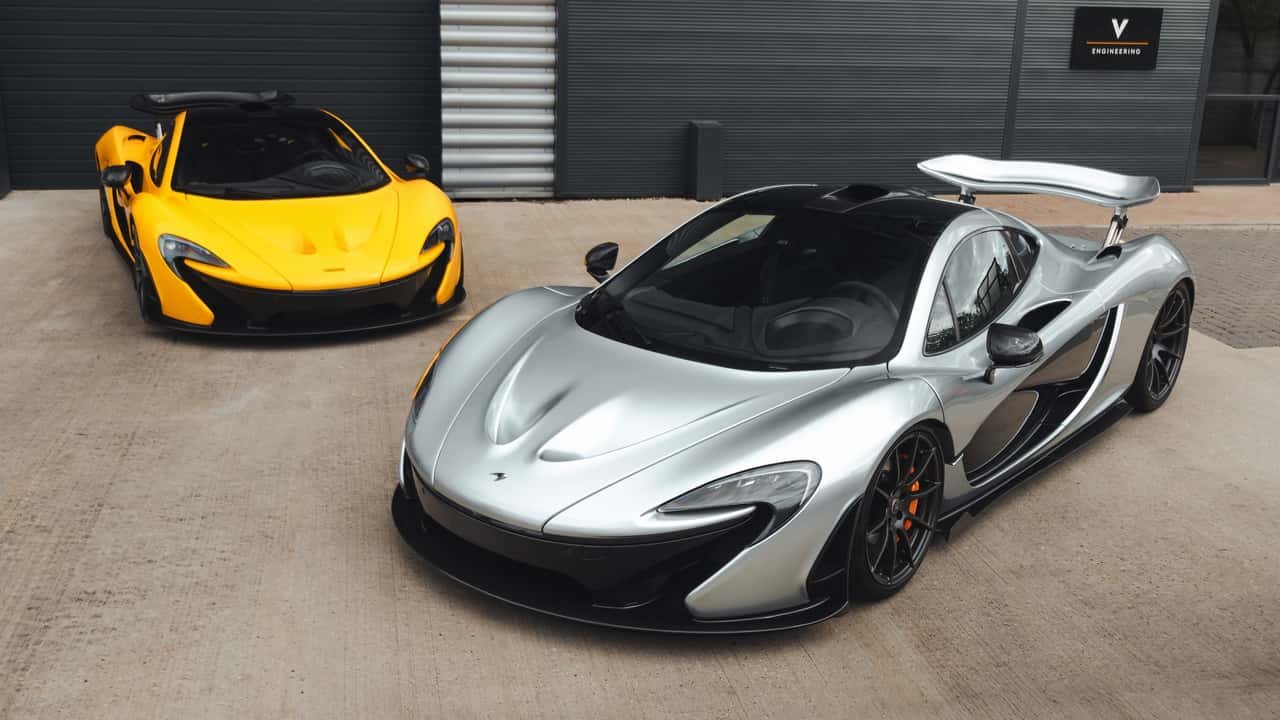
Key Takeaways
- The pioneering plug-in hybrid hypercar, launched over a decade ago, continues to influence the market.
- Advancements in battery technology are helping maintain its relevance amid modern competition.
- Its blend of electric and combustion power showcases the future of high-performance vehicles.
Innovation in Plug-in Hybrid Technology
The hypercar that initiated the plug-in hybrid trend over a decade ago remains a significant player in the automotive landscape. This vehicle not only set the standard for performance and innovation among hypercars but also sparked interest in hybrid technology among manufacturers looking to enhance efficiency without sacrificing speed and power.
Recent advancements in battery technology have breathed new life into this classic model. As battery systems evolve, their capacity and efficiency increase, allowing for improved performance and range. The vehicle has been updated to incorporate these innovations, ensuring it remains competitive against newer models entering the high-performance segment.
The original design of this plug-in hybrid combines a powerful combustion engine with a robust electric drivetrain. This unique blend allows the car to operate efficiently in urban environments while delivering breathtaking performance on the track. With the new battery technologies, it now features longer electric-only driving ranges and faster charging times, making it more versatile than ever before.
Many competitors have emerged in the hypercar market since its debut, each showcasing their hybrid offerings. However, this foundational vehicle holds its ground due to its proven engineering and adaptive technology. The commitment to refining and upgrading its capabilities has ensured this model stays relevant, drawing attention from enthusiasts and potential buyers alike.
Moreover, the excitement surrounding performance hybrid vehicles continues to grow within the industry. As automakers increasingly focus on sustainability, hybrids serve as a bridge between traditional combustion engines and fully electric vehicles. The ongoing evolution of this plug-in hybrid is not only a testimony to its original design but also a blueprint for future innovations in the automotive sector.
With expectations of enhanced energy density and performance improvements, the future for plug-in hybrids looks promising. This particular car exemplifies the best of both worlds, proving that hybrids can deliver thrilling driving experiences alongside environmental considerations.
As manufacturers experiment with new configurations and technologies, the legacy of the groundbreaking plug-in hybrid remains influential. By continuing to adapt to the changing landscape of automotive technology, this vehicle exemplifies how historical models can remain pertinent in an ever-evolving market, inspiring both current and future generations of hypercar designers and engineers.
In conclusion, the enduring relevance of this plug-in hybrid vehicle highlights the impact of continuous technological advancement. Its ability to seamlessly integrate improved battery technologies while retaining its iconic performance characteristics sets a standard for the future of high-performance automobiles.
The content above is a summary. For more details, see the source article.









