


Key Takeaways
- The EV industry is transitioning to 800 V and 1000 V charging systems, enabling megawatt-level charging.
- Engineers face “validation anxiety” due to the gap between charging capabilities and safety limits.
- Advanced testing solutions, like those from ITECH, are essential for ensuring reliability and performance in next-generation EV systems.
The Rise of Megawatt Charging Systems
The electric vehicle (EV) industry is experiencing a significant shift from traditional 400 V systems to 800 V and beyond, targeting megawatt-level charging capabilities. This transformation promises drastically reduced charging times but also introduces complexities regarding validation and safety.
As charging systems evolve, engineers must address the widening gap between enhanced charging capabilities and existing battery safety limits, raising concerns about reliability, lifecycle performance, and interactions with the power grid. This phenomenon has been termed “validation anxiety.”
Challenges in Validation
As the industry embraces faster charging, engineers are tasked with ensuring not only system performance but also compliance with safety and durability standards. Key considerations include:
- How do batteries function after numerous fast-charge cycles?
- Can high-voltage components consistently operate above 1000 V?
- How can lab environments accurately simulate real-world grid conditions?
The increasing performance expectations create a pressing need for improved validation methods.
Testing Complexities in the Megawatt Era
Modern chargers are becoming intricate energy nodes, with vehicle-to-grid (V2G) and vehicle-to-home (V2H) applications gaining prevalence. To simulate real-world scenarios and validate performance accurately, engineers utilize advanced testing platforms.
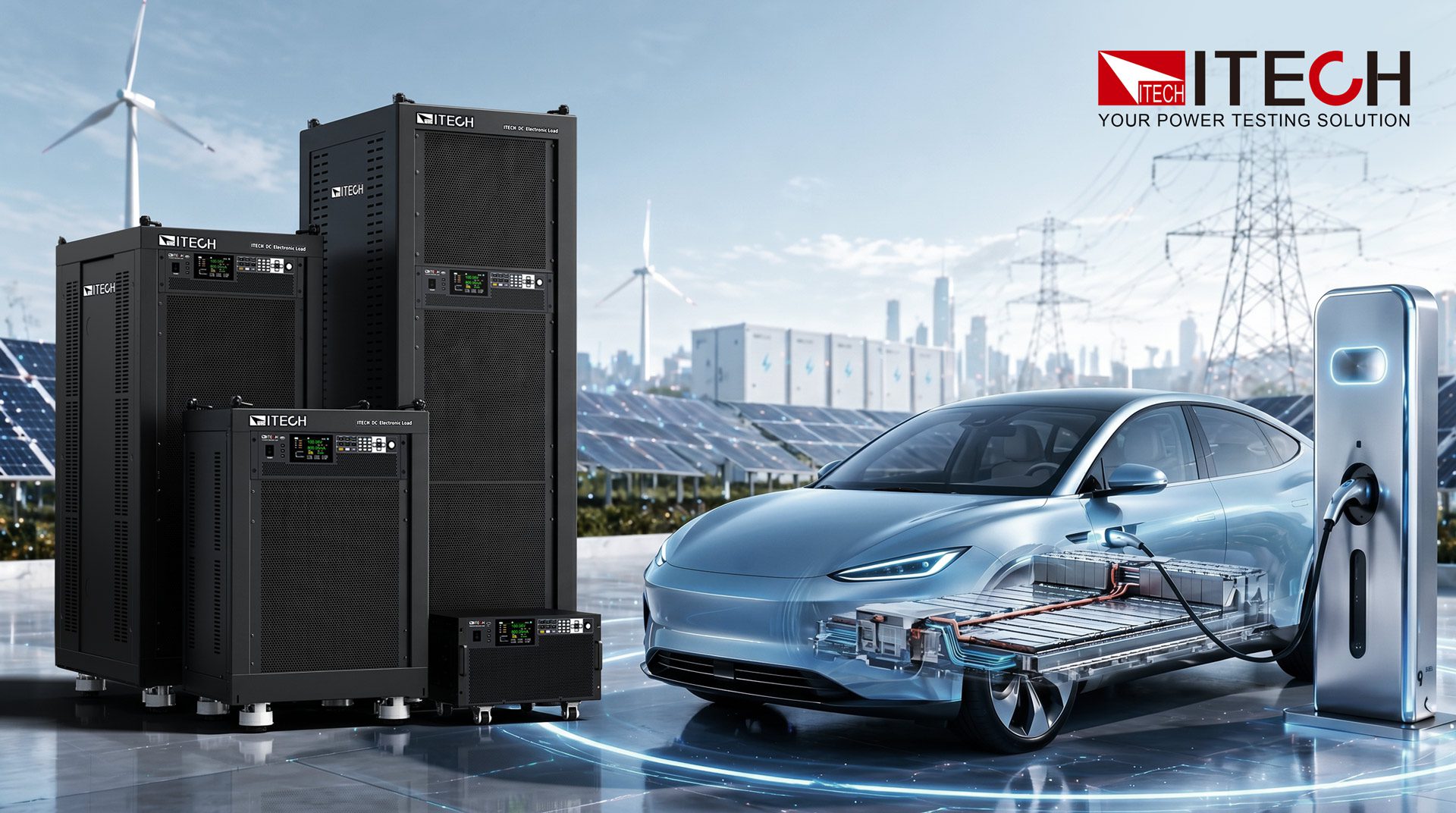
The ITECH IT7900EP grid simulator paired with the IT6600C bidirectional DC power supply is pivotal in recreating real-world conditions and ensuring comprehensive system validation. This integrated testing approach includes:
-
Battery Validation: Fast charging relies on long-term stability. The IT6600C, combined with BSS2000 battery simulation software, streamlines charge/discharge transitions and facilitates early-stage validation.
-
Dynamic Load Validation: The high-speed electronic loads, such as the ITECH IT8100A/E series, capture transient behaviors at megawatt levels, enabling engineers to simulate rapid load changes and validate system performance effectively.
-
Integrated System Validation: A complete testing setup with IT7900EP, IT6600C, and IT8100A/E can assess full system interactions. This coordinated approach not only supports high power density and regenerative capabilities but also adheres to grid compliance testing requirements.
Looking Ahead
By 2026, the emphasis will likely shift from mere power scaling to comprehensive system-level coordination among vehicles, chargers, and the grid. To navigate these advancements, conventional test equipment may not suffice. ITECH’s innovative test platform combines high power output, bidirectional regeneration, and advanced simulation techniques, enabling accurate validation of real-world conditions.
In this evolving landscape, the focus for engineers will be on whether their testing infrastructure can accommodate megawatt charging capabilities. With the right solutions in place, the transition to this new era of EV charging can be successfully managed.
The content above is a summary. For more details, see the source article.









