


Key Takeaways
- Tantalum, a critical material for electronic capacitors, faces recycling challenges despite its high value and essential role in devices.
- West Virginia University’s innovative microwave-assisted method significantly improves tantalum recovery from e-waste while minimizing environmental impact.
- The successful scaling of this method could bolster both economic and strategic resource independence for the U.S.
The Importance of Tantalum
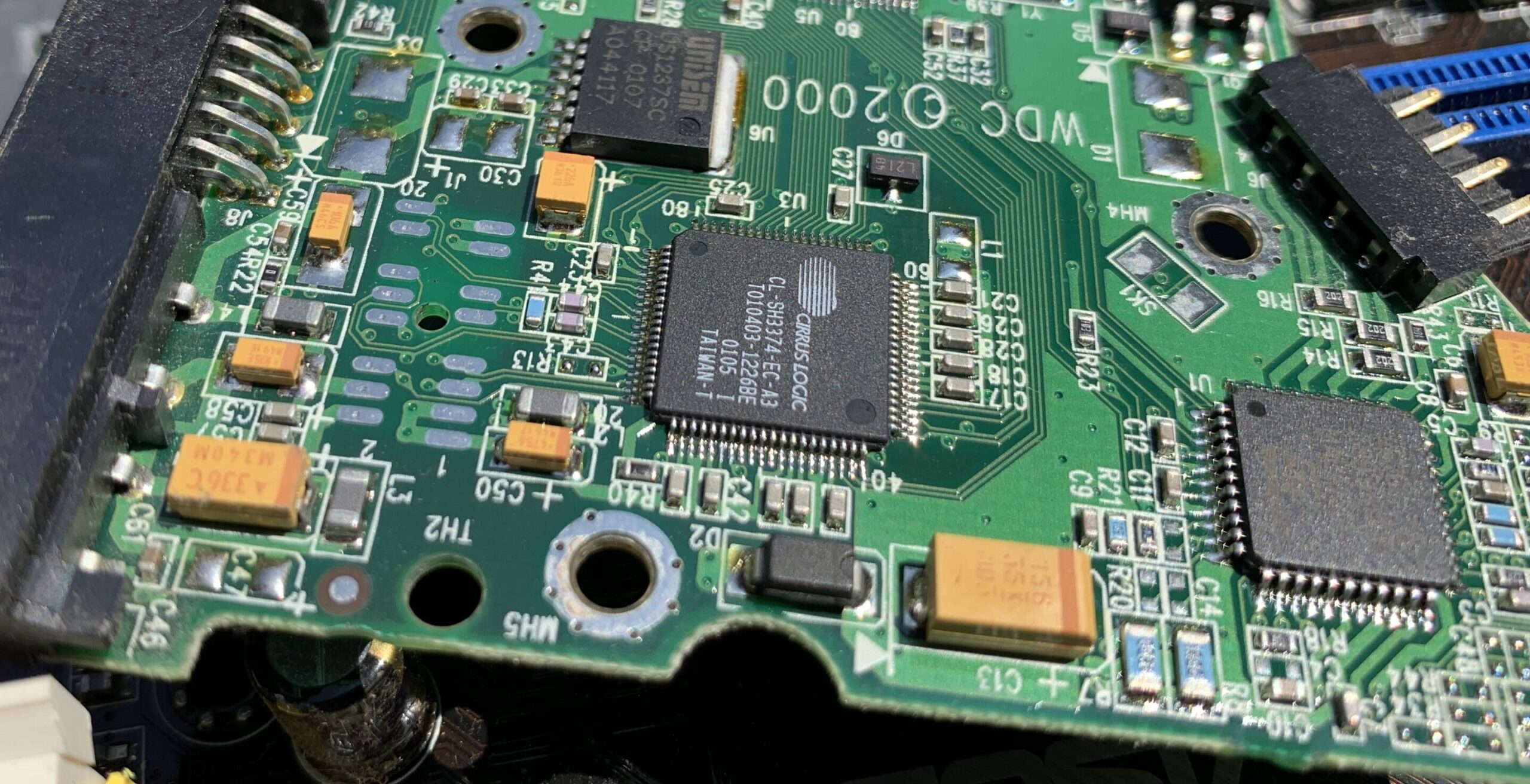
Tantalum is a rare and heat-resistant metal crucial for manufacturing electronic capacitors, found in devices like smartphones and laptops. As of 2024, tantalum is priced at approximately $170 per kilogram, making it significantly more expensive than materials like copper, which costs around $9.50 per kilogram. Currently, recycling processes for tantalum are inefficient; traditional methods often overlook tantalum capacitors due to the complexity and cost of extracting small quantities.
The global e-waste problem exacerbates this issue, generating over 62 million metric tons of discarded electronics in 2022. Much of this waste ends up in landfills or is exported for unsafe recycling, where processes can involve burning circuit boards or chemically stripping metals — both hazardous to health and the environment. Given that tantalum is categorized as “high-risk” due to its scarcity and geopolitical factors, failing to recover it deepens economic vulnerabilities for the U.S., which relies on imports from countries like China.
Microwaves: A Revolutionary Recycling Approach
At West Virginia University, researchers have explored a groundbreaking method utilizing microwaves to recycle tantalum from discarded capacitors. This process begins by shredding the capacitors and mixing the resulting powder with carbon-based material. The carbon absorbs microwaves rapidly, focusing heat directly on the tantalum particles and triggering “carbothermal reduction.” This step transforms tantalum compounds into pure tantalum carbide, achieving purity levels exceeding 97%.
The microwave method eliminates the need for harsh chemicals and significantly reduces energy consumption when compared to traditional recycling processes, resulting in less harmful waste.
From Lab to Industry
Initial tests indicate this microwave-assisted technique is effective, but scaling it for commercial use is the next critical phase. Pilot projects are currently underway that involve larger amounts of electronic waste, such as smartphone circuit boards and data center server equipment.
The research received initial funding from DARPA’s Recycling at the Point of Disposal (RPOD) program, emphasizing the military’s interest in domestic recycling of critical materials. Efficient tantalum recycling not only serves economic needs but is also a matter of national security.
A Sustainable Future
The pathway to widespread recycling of tantalum hinges significantly on economics. By showing recycling facilities how to profitably reclaim valuable metals using cost-effective and eco-friendly technologies, the potential for widespread adoption becomes more viable. Overall, this innovative approach to tantalum recovery could transform the recycling industry and contribute to a more sustainable circular economy.
The content above is a summary. For more details, see the source article.









