


Key Takeaways
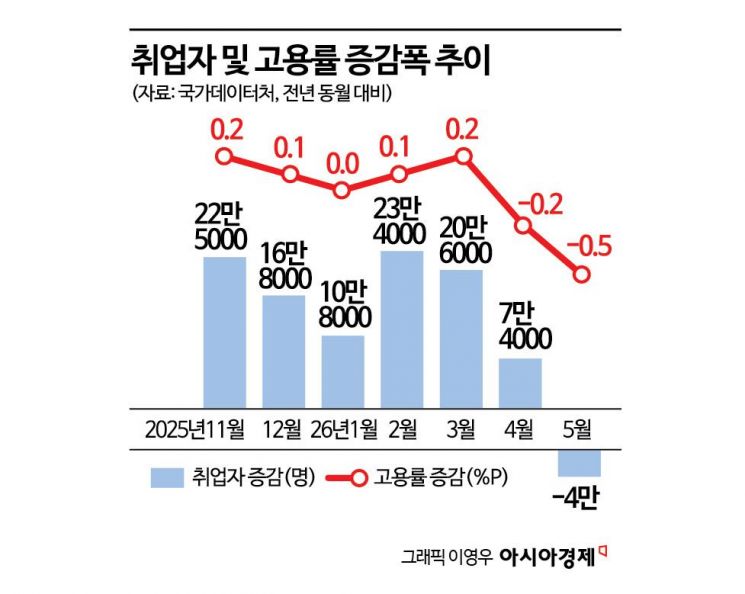
- The employment rate in May dropped by 40,000, marking the first decline in 17 months, largely due to external shocks.
- Youth employment saw a significant drop of 255,000, the largest decline in over five years, highlighting generational disparity.
- Manufacturing suffered a loss of 140,000 jobs, with high oil prices and inflation impacting several industrial sectors.
Employment Overview for May
In May, the overall employment count decreased by 40,000 compared to the previous year, ending a streak of 17 months of growth. This decline is the first since December 2024, attributed to the ongoing Middle East conflict and rising oil prices which have strained the industrial sector significantly. The Ministry of Data and Statistics reported that the total number of employed individuals now stands at 29.12 million, with a marked decline in youth employment.
The total employment rate for those aged 15 and older is 63.3%, a decrease of 0.5 percentage points compared to last year—representing the largest drop in more than five years. Despite this decline, the rate for those aged 15 to 64 remains high at 70.2%.
Key factors for this downturn include disruptions caused by geopolitical tensions and a reverse trend following a previous employment boom. Manufacturing saw the most severe losses, shedding 140,000 jobs—its greatest decline in over seven years. While the semiconductor sector has shown strength in exports, it only constitutes about 4% of total jobs and thus fails to boost overall employment significantly.
Sectors most affected by job losses include agriculture, professional services, construction, and wholesale/retail, all responding to a weakened consumer sentiment and inflationary pressures. Conversely, employment rose in health, social welfare, and travel-related services due to government support aimed at mitigating the adverse impacts of high oil prices.
Youth employment, particularly among those aged 15-29, plummeted by 255,000—signaling a dire trend for this demographic. Employment for the young has been hit particularly hard as companies shift hiring practices away from traditional recruitment strategies. The number of unemployed individuals now totals 878,000, reflecting a 3.0% increase from last year.
A notable rise in the economically inactive population also emerged, increasing by 264,000 to 15.986 million. As the economy struggles, the government announced plans to enhance job support, focusing on vulnerable groups like youth and those in sectors facing transitions. Proposals include financial incentives for companies creating jobs and initiatives to assist workers needing to adapt to new roles.
Koo Yoon-chul, Deputy Prime Minister, emphasized the need for collective action across various ministries to stabilize employment, especially in light of ongoing industrial changes and rapidly evolving workforce requirements.
The content above is a summary. For more details, see the source article.









