


Key Takeaways
- A bipartisan group of over 100 lawmakers urged the Trump administration to investigate unfair sugar trade practices affecting U.S. producers.
- The lawmakers are advocating for the use of Section 301 of the Trade Act of 1974 to impose tariffs on imported, subsidized sugar.
- Rising out-of-quota sugar imports threaten domestic prices, which have remained disproportionately high compared to world prices.
Lawmakers Push for Probe into Sugar Trade Practices
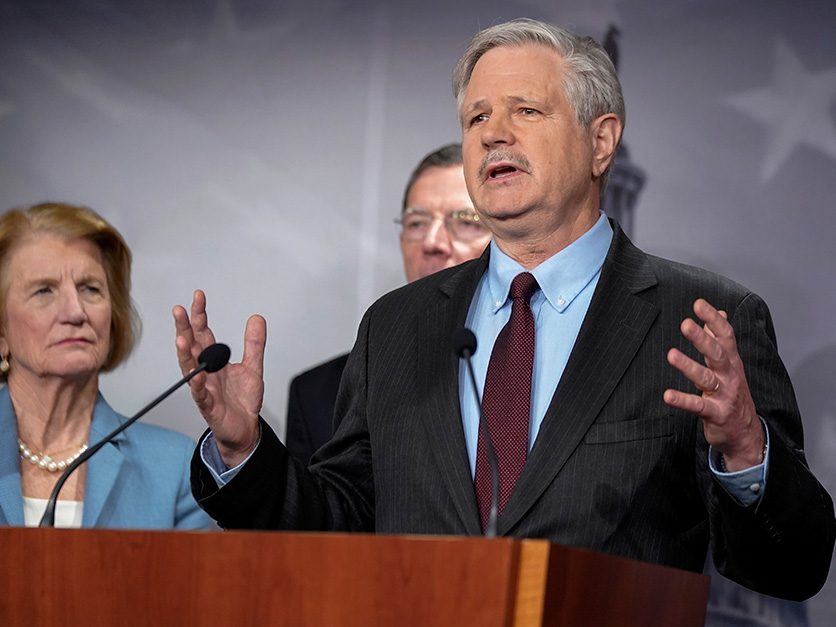
A bipartisan coalition of 109 lawmakers has called on the Trump administration to launch an investigation into unfair trade practices affecting U.S. sugar producers. In a letter to U.S. Trade Representative Jamieson Greer, the coalition, led by Sens. John Hoeven (R-N.D.) and Elissa Slotkin (D-Mich.), along with Reps. Julie Fedorchak (R-N.D.) and Troy Carter (D-La.), expressed deep concern over the impact of foreign, subsidized sugar imports on the American sugar industry.
The letter cited the need to invoke Section 301 of the Trade Act of 1974 to address unfair trade practices. This section allows for investigations into foreign trade policies, which can lead to the imposition of tariffs or the revocation of certain trade privileges to protect domestic industries. Key figures backing the letter include top Democrats on agriculture committees, like Sen. Amy Klobuchar (D-Minn.) and Rep. Angie Craig (D-Minn.), as well as former House Speaker Nancy Pelosi (D-Calif.).
The U.S. imports over 3 million tons of raw sugar annually and utilizes tariff-rate quotas to shield domestic producers and regulate the importation of sugar at reduced tariff rates. Despite these measures, U.S. sugar prices continue to exceed global prices. As a result, importers have increasingly justified bringing in out-of-quota sugar, which has surged by approximately 700% in recent years.
The lawmakers warned that “global excess capacity of foreign subsidized sugar” and the influx of out-of-quota imports are detrimental to their constituents. The existing out-of-quota duty rate of 15.36 cents per pound has eroded significantly due to inflation, making it ineffective in protecting U.S. producers.
A study commissioned by Hoeven from North Dakota State University economists indicated that these rising out-of-quota imports have suppressed U.S. sugar prices, forecasting that prices for the 2025-2026 period could be five to eight cents per pound lower than they should be due to these imports.
They further argued that increased tariffs on foreign sugar would not significantly raise consumer prices, noting that sugar constitutes less than 3% of the retail cost of sugar-containing products. The price of candies, baked goods, cereals, and other sugar-laden items is more influenced by factors such as consumer disposable income and production costs rather than the price of sugar itself.
The letter has received support from more than two dozen industry organizations, including the American Sugar Alliance, the American Farm Bureau Federation, and the National Council of Farmer Cooperatives. The call for action comes amidst broader appeals from various U.S. agricultural sectors for Section 301 investigations into unfair trade practices, focusing on a range of products including rice, dairy, and peaches.
As the agricultural industry continues to seek protection from unfair foreign competition, the implications of this bipartisan effort could reshape trade policies concerning sugar and other agricultural products in the United States.
The content above is a summary. For more details, see the source article.









