


Key Takeaways
- Dr. Jessica Morley advocates for using AI in healthcare to focus on population health rather than solely individual treatment.
- Morley criticizes the NHS for limiting AI’s potential by focusing on individual-level improvements and shifting responsibility to patients.
- She encourages a shift in AI strategy, urging health organizations to address systemic issues to better serve the entire population.
AI’s Role in Healthcare Needs Reevaluation
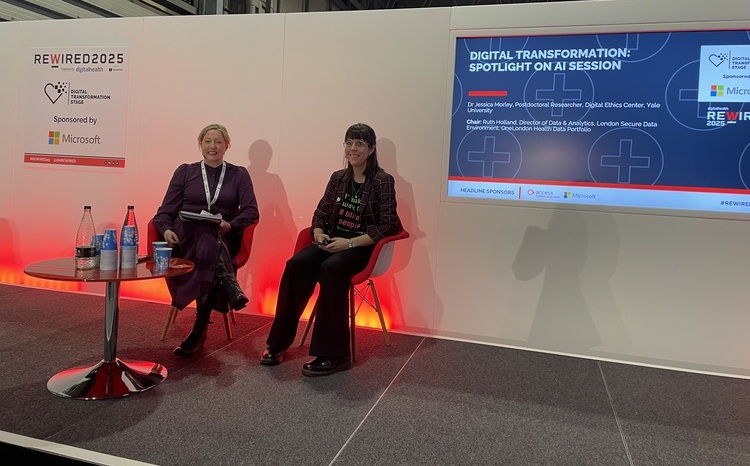
Dr. Jessica Morley, a postdoctoral researcher at Yale University’s Digital Ethics Center, has highlighted concerns about the NHS’s current approach to artificial intelligence in healthcare. During her presentation at Rewired on March 19, 2025, she emphasized that the focus on individual health improvements limits the broader potential of AI technology.
Morley’s argument is that existing AI policies in healthcare primarily aim at developing targeted treatments and encouraging individuals to manage their health, which she sees as problematic. She stated that this approach effectively shifts responsibility from the state to individuals rather than addressing systemic issues. “What empowerment actually means is shifting responsibility from the state to the individual,” she noted, calling for a reevaluation of AI strategies to prioritize population goals.
She pointed out that AI functions more effectively at a systems level, likening its operational capability to that of electricity rather than a series of singular products. “If we keep thinking about it as a kind of product, we will get it wildly wrong,” she asserted. This perspective is crucial for maximizing AI’s capabilities in improving public health outcomes.
Ruth Holland, who chaired the session, acknowledged Morley as a “voice of reason in a sea of hype about AI.” Following her presentation, Morley explained to Digital Health News that the NHS is missing critical opportunities to utilize AI for broad population health benefits because of its obsession with individual-level predictive and preventive measures. She believes that this focus contradicts the foundational ethos of the NHS, which is designed to cater to “everyone.”
To address these concerns, Morley recommended that the NHS reassess its objectives with AI. She called for a thorough investigation into why the NHS is struggling to adhere to its constitutional pledge of inclusivity for all citizens. Instead of retrofitting AI to fill gaps after technology development, she suggests rethinking the narrative from the onset. “At the moment, we build AI and then think, ‘how can we not leave people out?’ I’m saying flip the narrative,” Morley stated.
Her call to action stresses the need for a more holistic approach to AI in healthcare, one that aligns technology with the overarching goal of equitable health service delivery. Through strategic adjustments in the NHS’s AI initiatives, there is potential to transform public health outcomes significantly, benefiting society at large and embodying the truly inclusive spirit of the health service.
The content above is a summary. For more details, see the source article.









