


Key Takeaways
- Mississippi State University researchers are creating autonomous agricultural technologies to enhance farming efficiency.
- Innovations include a cotton-harvesting robot capable of selective harvesting and improved data collection methods.
- The goal is to address labor shortages and drive economic development in Mississippi’s agricultural sector.
Advancements in Autonomous Agriculture
Researchers at Mississippi State University (MSU) are pioneering autonomous agricultural technologies to enhance efficiency and address growing global food demand. Led by the Department of Agricultural and Biological Engineering (ABE) and the Agricultural Autonomy Institute, the initiative focuses on developing robotics that not only perform agricultural tasks but also gather data to optimize crop yields.
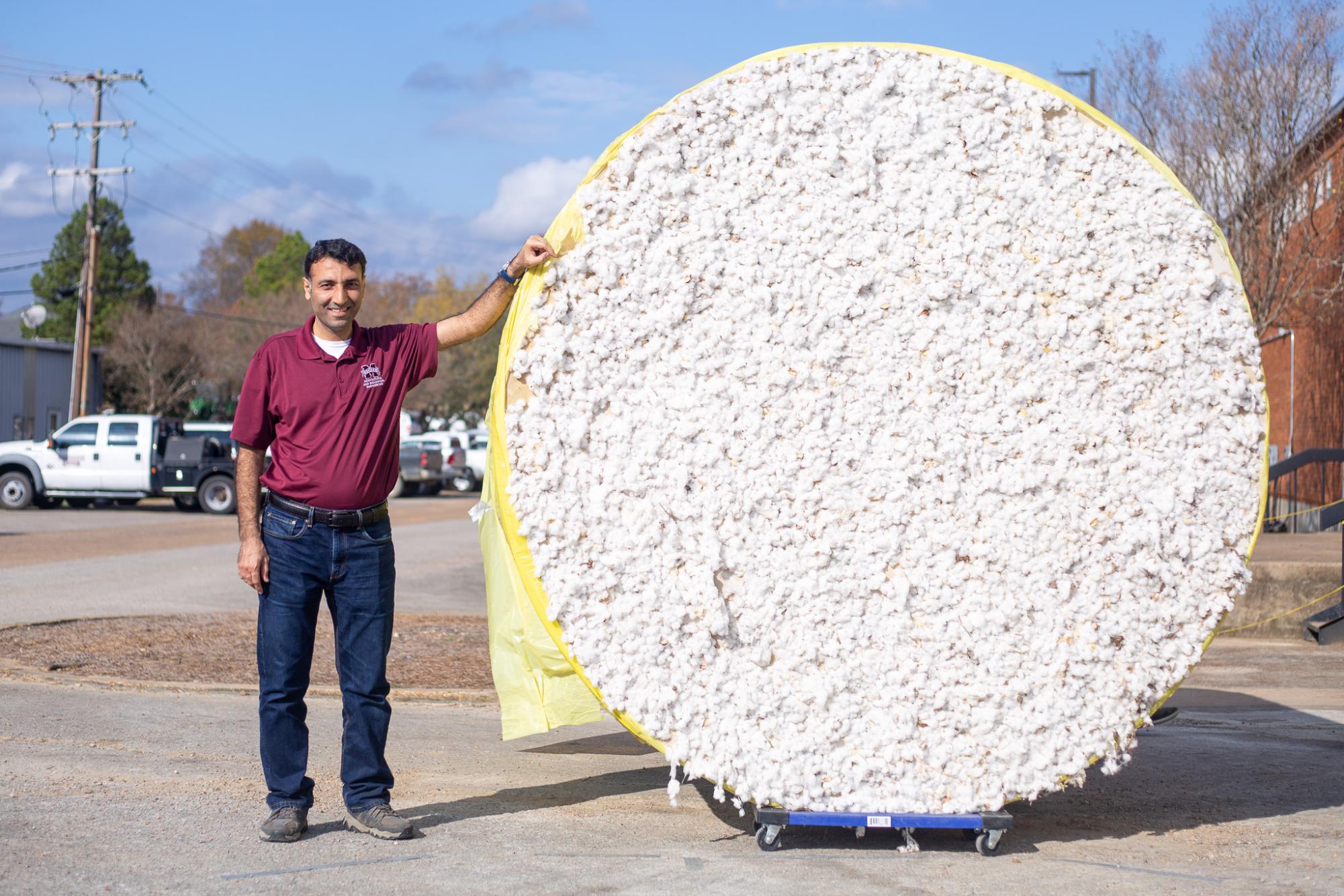
Given that Mississippi’s agriculture sector spans 10.3 million acres and is the state’s largest industry, these advancements are critical. Assistant Professor Hussein Gharakhani is spearheading the development of an autonomous cotton-harvesting robot. This robot, designed to operate without human input, aims to improve harvesting precision for cotton, which holds an estimated value of $372 million in Mississippi for 2024. Traditional harvesting methods face challenges as cotton bolls ripen at varying times, leading to inefficiency. Gharakhani’s technology intends to tackle this issue by enabling selective harvesting through machine vision.
As ABE Department Head Alex Thomasson notes, fostering economic development within the state through autonomous equipment is essential. He envisions collaborations with companies like John Deere and the Sugar Cane Growers Cooperative of Florida to bolster the agricultural sector, potentially attracting business to the region.
A notable shift in this technology is moving from large machinery to smaller fleets of autonomous robots. Thomasson emphasizes that smaller machines enhance operational reliability; thus, if one fails, operations can still proceed without complete disruption. Gharakhani’s robot exemplifies this innovation by utilizing advanced AI for selective harvesting, adjusting to the individual characteristics of cotton bolls.
Ph.D. student Moeen Ul Islam is also making strides by developing an autonomous ground vehicle that works in tandem with drones to collect valuable agricultural data. He points out that modern agriculture relies heavily on data analytics to understand crop health better and optimize yields. AI plays a pivotal role in equipping robots to function in unpredictable environments, meaning they can adapt based on previous learning.
Ul Islam’s robot is set for field testing, aiming for completion in April. The data collected will benefit local farmers and global researchers, enhancing understanding of agricultural practices. He believes their developments will provide a robust foundation for agricultural research worldwide.
Thomasson anticipates that by 2040, a substantial portion of agricultural operations will be autonomous, positioning MSU as a leader in this transformative movement towards more efficient farming solutions.
The content above is a summary. For more details, see the source article.









