Key Takeaways
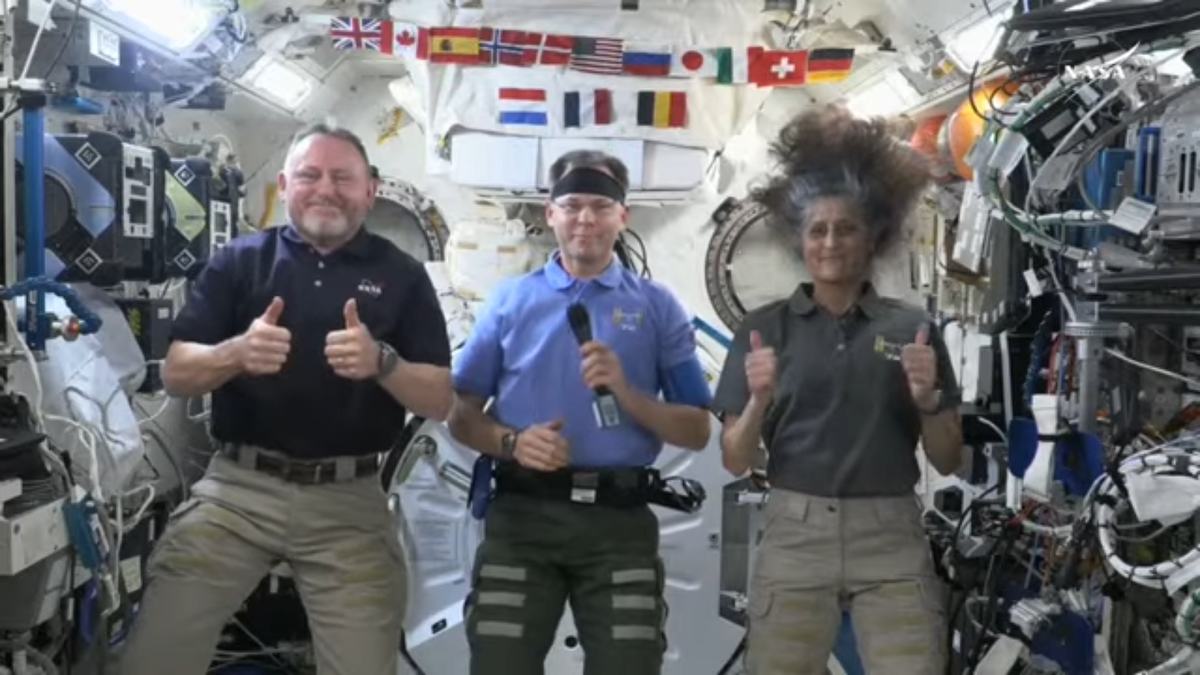
- Boeing Starliner astronauts Butch Wilmore and Suni Williams are scheduled to return to Earth on March 16 after an extended nine-month stay aboard the International Space Station (ISS).
- NASA’s Crew-10 mission, launching on March 12, will bring new astronauts to the ISS and facilitate the timely return of Crew-9, including Wilmore and Williams.
- Crew-10’s spacecraft, Endurance, will accommodate its crew after a switch from a new Dragon capsule due to delays in manufacturing.
Extended Stay on the ISS
Boeing Starliner astronauts Butch Wilmore and Suni Williams are finally set to return home on March 16 after unexpectedly spending nine months aboard the International Space Station (ISS). Initially, their mission was intended to last just 10 days following their launch on June 5, but unforeseen issues with their Starliner spacecraft delayed their return. Consequently, NASA made the decision to return the Starliner capsule uncrewed in September, leaving Wilmore and Williams to undertake a long-duration mission.
NASA has greenlit the launch of a relief crew aboard SpaceX’s Dragon spacecraft next week. This crew, known as Crew-10, is slated to launch on March 12, allowing Crew-9, which includes Wilmore and Williams, to return after a successful handover of responsibilities at the ISS.
Mission Transition and New Launch
The upcoming Crew-10 mission will feature NASA astronauts Anne McClain and Nichole Ayers, alongside JAXA’s Takuya Onishi and Roscosmos’ Kirill Peskov. Originally planned to fly on a new Crew Dragon capsule, the mission was shifted to the veteran spacecraft Endurance due to production delays affecting the new capsule. NASA officials indicated that discussions to switch to Endurance began prior to public statements that highlighted the “stranded astronauts” narrative.
This transition is happening at a critical time, as Crew-10’s timely arrival will enable Crew-9 to return home. “We looked at the situation at the time and saw a clear path forward for bringing both crews together,” said Dana Weigel, ISS program manager.
Crew-10 is scheduled to launch at 7:48 p.m. EDT on March 12, and it is expected to spend approximately 14 hours in transit before docking with the ISS around 10 a.m. EDT the following day. Unlike typical operations where incoming crews overlap with those departing, Crew-10 will have a brief overlap of just three days with Crew-9, facilitating a swift transition.
Importance of International Collaboration
During a media briefing, McClain emphasized the essential nature of international partnerships in space exploration. Reflecting on the upcoming 50th anniversary of the Apollo-Soyuz mission, McClain reiterated the value of collaboration in achieving long-term scientific goals. “If you want to go fast, you go alone, but if you want to go far, you go together,” she explained.
Crew-10 members expressed admiration for the ongoing work of Crew-9, stating their eagerness to conduct their own research and station upkeep once they arrive. As part of this transition, a change of command was held on the ISS, where Williams passed the leadership role to cosmonaut Alexey Ovchinin until Crew-10’s arrival.
The handover marks a key moment for the ISS as it continues to serve as a hub for international scientific collaboration in low-Earth orbit. With the upcoming launches and transitions, NASA and its partners aim to advance research while ensuring the continuous operation of the space station.
The content above is a summary. For more details, see the source article.