Key Takeaways
- Nasa’s Guam Remote Station reopened on Sept. 10 after three years of recovery from Super Typhoon Mawar in 2023.
- The station is crucial for maintaining communication with spacecraft in low Earth orbit, reducing potential contact loss during missions.
- Congress allocated disaster-relief funds for the station’s rebuild, enhancing the network’s resilience against future storms.
Restoration of Guam Remote Station
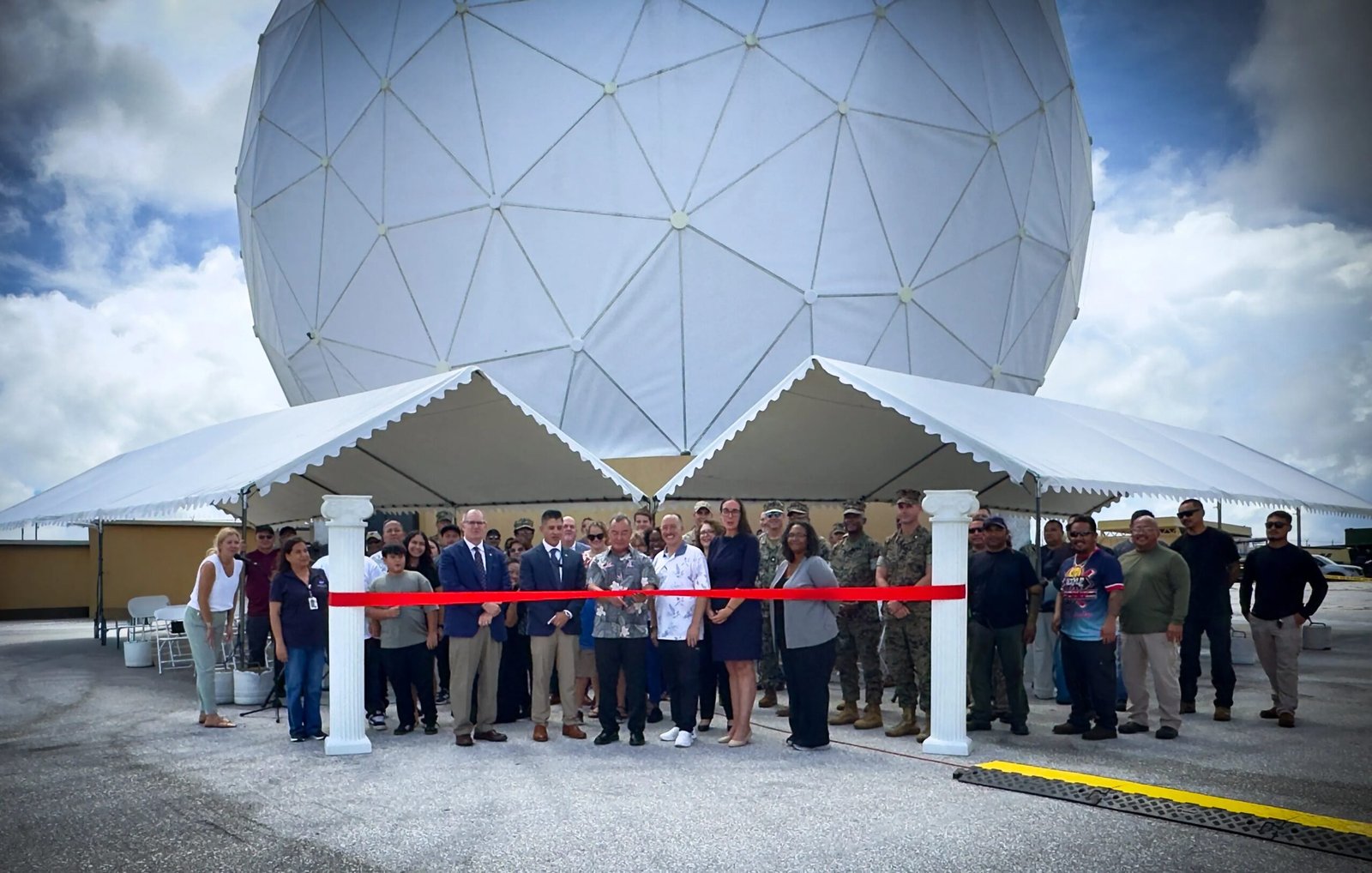
NASA recently celebrated the reopening of its Guam Remote Station with a ribbon-cutting ceremony held on September 10. This event marked the conclusion of over three years of recovery work following the devastation caused by Super Typhoon Mawar in May 2023, which struck Guam with 185 mph winds and significant rainfall. The storm destroyed two 16.5-meter antennas and caused damage to an 11-meter antenna and supporting infrastructure, leaving NASA with limited communication capabilities.
The Guam Remote Station has played a vital role in NASA’s Tracking and Data Relay Satellites (TDRS) system for nearly thirty years. Positioned 22,000 miles above the Earth, TDRS ensures reliable communication between flight controllers and spacecraft in low Earth orbit, including the International Space Station (ISS). The absence of the Guam station previously created a critical communication gap, leading to potential 20-minute contact losses every 90 minutes during the ISS’s orbit.
In response to the disaster, NASA undertook emergency repairs on the least-damaged antennas and borrowed mobile terminals from the U.S. Army, restoring partial service in time for a spacewalk planned for November 2023. On April 1, 2025, Congress allocated disaster-relief funding specifically for the rebuilding of the Guam Remote Station and enhancements to protect it from future storms.
Construction commenced during the summer of 2025 and was completed in mid-2026, facilitating the return of the central antenna to TDRS operations and once again eliminating the communication gap for spacecraft. The funding received also supported upgrades at three additional ground stations, fortifying NASA’s Near Space Network.
The ribbon-cutting event saw participation from representatives of NASA’s Space Communications and Navigation (SCaN) Division, local leaders, and the station’s team, who were acknowledged for their extensive recovery efforts. Jena Garrahy, Deputy Program Manager for Network Operations, highlighted the significance of the central antenna’s return, stating, “It is a testament to the dedication, resilience, and ingenuity of the people who made it possible.”
The Near Space Network, funded by the SCaN division under NASA’s Research and Technology Mission Directorate, operates from NASA’s Goddard Space Flight Center in Maryland. Management of the Guam Remote Station’s repairs took place at NASA’s Glenn Research Center in Cleveland. The collaborative efforts observed during the recovery process underscore NASA’s commitment to maintaining connectivity with its space missions through challenges and adversity.
The content above is a summary. For more details, see the source article.