


Key Takeaways
- NWS faces severe staffing shortages, with over 650 employees lost and more expected to leave.
- Weather balloon operations have been suspended or reduced in multiple locations due to the lack of personnel.
- Farmers express concerns over the reliability of forecasts as staffing cuts potentially impact data quality and forecasting accuracy.
NWS (National Weather Service) is currently grappling with a significant staffing crisis, leading to the agency’s inability to maintain essential weather data services effectively. Massive retirements, resignations, and firings have left a workforce that was once around 4,000 down to fewer than 3,000 personnel. Former NOAA administrator Rick Spinrad acknowledged the loss of at least 650 employees, with projections indicating that numerous others may follow suit.
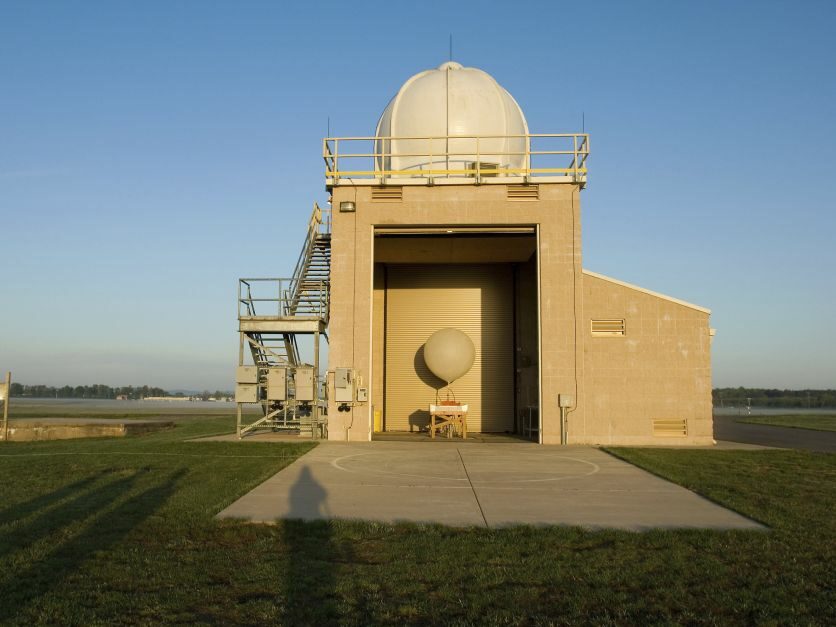
Weather-related forecasting capabilities are already showing signs of degradation. Staff shortages have resulted in the suspension of weather balloon launches in Kotzebue, Alaska; Omaha, Nebraska; and Rapid City, South Dakota, with other locations also reducing their launch frequency. Weather balloons are crucial for collecting data in the stratosphere, and fewer launches can hinder predictions related to severe weather events, such as hurricanes and wildfires.
A former NOAA assistant administrator expressed concern that the accuracy of weather forecasts could regress to levels comparable to those of the 1970s. The shrinking staff has limited the agency’s ability to maintain equipment, collect and analyze data, and produce reliable weather models. With offices now operating with as few as five meteorologists—far below the ideal staffing level of 23 to 25—the pressure on remaining employees has intensified. This situation places employees in high-stress environments, especially during critical weather emergencies.
Moreover, financial constraints have further complicated matters at NWS. Agencies within NOAA must seek high-level approvals for contracts over $100,000, affecting the hiring of essential contractors who monitor and service weather equipment. Some employees report that purchasing thresholds, as low as $1, on credit cards hinder routine maintenance, exacerbating existing equipment issues.
Farmers who rely on NWS forecasts for crop management also voiced their worries regarding the agency’s diminishing capabilities. For instance, Iowa farmer Rod Pierce stated that while NWS forecasts have not always been precise, they have historically provided guidance critical for planning labor and managing crop timing. Farmers such as Kansas rancher Tom Giessel emphasized their dependence on NWS data for navigating changing weather conditions, asserting that a fully staffed weather service is essential for their operations.
The NWS’s operational challenges may compromise the integrity of forecasts that support public health, agricultural planning, and community safety. As the agency grapples with enduring cuts and staffing limitations, both farmers and meteorologists are left to contemplate the ramifications of a depleted workforce on weather forecasting quality and reliability. Without a robust NWS, the implications for agriculture, safety during extreme weather events, and overall public service are significant and concerning.
The content above is a summary. For more details, see the source article.









