


Key Takeaways
- BPI raises concerns over copyright and AI, urging government action and transparency.
- Baroness Kidron and MPs are advocating for amendments to enhance transparency in AI legislation.
- The government is open to revising its stance but has not committed to specific transparency measures.
Concerns Over Copyright and AI
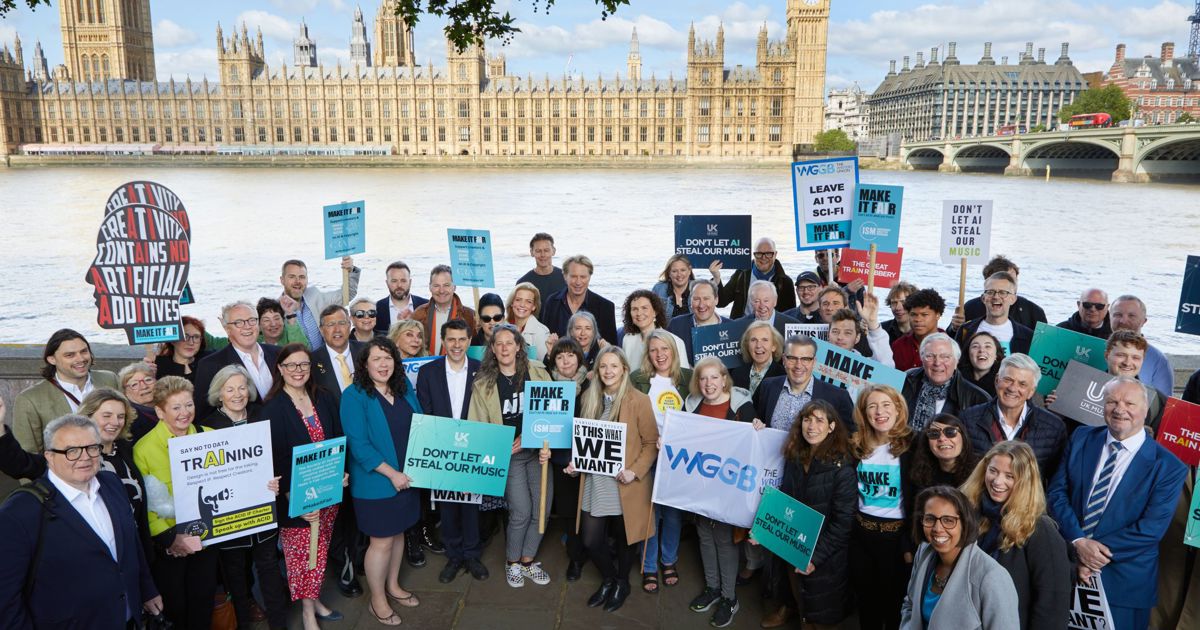
BPI’s Head of Policy and Public Affairs, Beth Sidwell, has highlighted ongoing efforts to address the intersection of copyright and artificial intelligence (AI) following the recent closure of the UK Government’s consultation on this topic. BPI has engaged with Members of Parliament (MPs) and Lords to stress its concerns and press for a shift in the government’s stance.
Media attention has intensified, particularly around statements from prominent musicians like Elton John. This has coincided with a significant backlash against the government during discussions on the ‘Data (Use and Access) Bill.’ Although this bill primarily focuses on data usage, it has sparked conversations about the unauthorized use of creative content by AI companies.
Baroness Kidron OBE, a champion for creative industries, has collaborated with MPs to propose amendments aimed at ensuring greater transparency regarding the training of AI models. These amendments have garnered substantial support from cross-party MPs and peers, resulting in a legislative “ping-pong” as the government removes these proposals in the Commons, only for the Lords to reintroduce them.
The government has recently shifted its position, stating it no longer holds a “preferred option” regarding copyright and AI and is now “open-minded” about future actions. This change signifies a response to vocal dissent during the consultation process. Secretary of State for Science, Innovation and Technology, Peter Kyle MP, acknowledged the need for a different approach than previously anticipated.
Moreover, the government has agreed to conduct an economic impact assessment on potential changes to copyright law and a report examining the use of copyrighted works in AI development. However, these efforts may not represent significant concessions, as BPI and other creative sectors expected such assessments to be part of the government’s regular responsibilities.
Following the completion of this legislative process, the government has promised to convene working groups involving both the creative and AI sectors to discuss transparency, licensing, and related concerns. While BPI looks forward to participating in these discussions, no specific details have been provided.
Despite these developments appearing slightly positive, the government’s reluctance to implement concrete transparency measures indicates ongoing challenges for the music industry. Continued efforts and advocacy are necessary to ensure that the concerns regarding generative AI’s impact on creative content are adequately addressed. BPI has maintained an active presence in the media, Parliament, and government discussions and encourages others to engage their MPs about the implications of generative AI on their businesses.
The content above is a summary. For more details, see the source article.









