


Key Takeaways
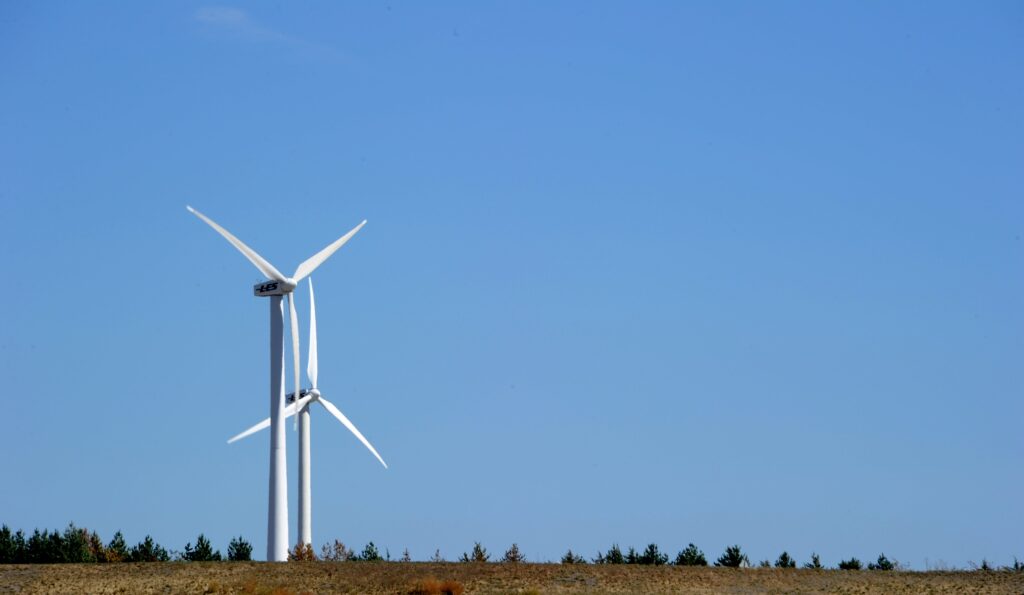
- Two windmills near northeast Lincoln will be dismantled next month due to economic concerns surrounding renewable energy projects.
- Opponents argue that federal tax credits distort the market, favoring wind and solar energy despite the associated economic drawbacks.
- Increasing reliance on intermittent energy sources like wind and solar may lead to higher electricity prices and potential grid instability.
Concerns Over Wind and Solar Energy Economics
Two windmills located near northeast Lincoln along Interstate 80 are set to come down next month amid growing concerns about the economics of wind and solar energy projects in Nebraska. Environmental policies, including net-zero initiatives, have faced increasing scrutiny from local farmers and landowners.
Opponents of renewable energy, including certain landowners and legal representatives, argue that these projects primarily benefit developers through significant federal tax credits, projected to total $1.2 trillion until 2032. Many critics assert that the push for renewable energy often diverges from genuine environmental concerns, viewing it instead as a form of virtue signaling.
Prominent critiques focus on the economic viability of wind and solar energy. Citing insights from Adam Smith’s “The Wealth of Nations,” critics maintain that Nebraska’s agricultural output serves as a natural advantage, contrasting it with states like Oklahoma and Texas, which benefit from fossil fuel production. With land in Nebraska highly valued for agricultural use, many landowners are reluctant to convert their land for solar farms, despite potential lucrative offers, as they prioritize long-term land use over immediate financial gain.
Additionally, the nation’s mounting debt nearing $37 trillion raises concerns about the affordability of funding renewable projects, especially since costs are ultimately shared across taxpayers. As more renewable sources are integrated into the energy grid, experts warn of possible increases in electricity prices. For instance, Germany, which derives over 50% of its energy from renewables, faces electricity costs significantly higher than the U.S., contributing to industrial decline.
Data from the Center of the American Experiment highlights additional risks tied to aggressive net-zero policies, suggesting a potential tripling of electricity rates and the threat of blackouts during winters. The intermittent nature of wind and solar power poses challenges for maintaining reliable energy supply, contradicting Nebraska’s legal requirement for public power districts to provide stable, dispatchable power.
This ongoing debate underscores the complexity of balancing economic interests with environmental initiatives, with key stakeholders advocating for a more cautious approach to transitioning away from traditional energy sources.
The content above is a summary. For more details, see the source article.









