


Key Takeaways
- ASCE 24-24 updates expand regulated flood hazard areas from the 100-year floodplain to the 500-year floodplain, reflecting lessons from recent storms.
- New elevation requirements are set for buildings based on Flood Design Class, enhancing protection for critical infrastructure like hospitals and schools.
- Annual inspections and a reliable flood warning system are now required to ensure effective deployment of dry floodproofing solutions.
Transformative Changes in Flood Design Standards
Mother Nature continues to challenge our infrastructure and resilience. The American Society of Civil Engineers (ASCE) has introduced transformative changes to the Flood Resistant Design and Construction (ASCE 24-24) standards, marking the first major update since 2014.
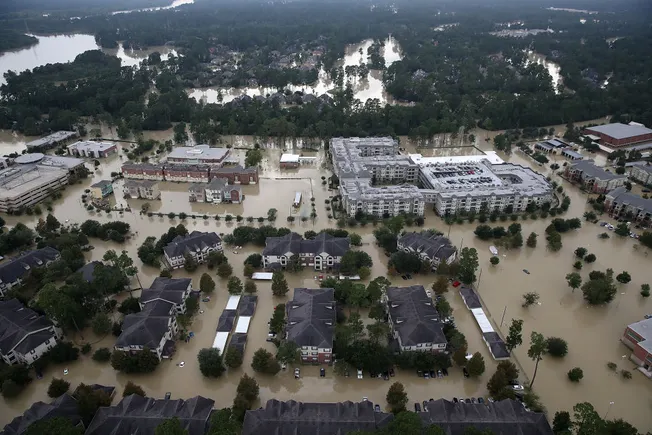
The new standards include 29 revisions that reflect experiences from recent catastrophic flooding events, such as hurricanes Harvey, Ida, and Ian. One of the most significant changes expands the definition of a regulated flood hazard area from a 100-year floodplain to a 500-year floodplain. This shift imposes design and construction requirements across a broader spectrum of flood-prone areas, moving away from outdated measures based on previous standards.
Another pivotal alteration addresses elevation requirements for buildings. The updated standards establish minimum flood elevation levels according to a building’s Flood Design Class. For instance, critical facilities like hospitals must adhere to more stringent elevation requirements than single-family homes, thereby enhancing protection for essential infrastructure in times of crisis.
ASCE 24-24 also emphasizes the importance of performance testing for dry floodproofing solutions. Products now must pass rigorous testing under the American National Standard for Flood Mitigation Equipment (ANSI/FM 2510) before they can be incorporated into flood hazard area designs. This ensures that dry floodproofing barriers can withstand hydrostatic pressure and debris impact during floods.
The updated guidelines stress the necessity for annual inspections and maintenance of dry floodproofing systems, such as flood barriers. Past experiences have shown that inadequate deployment often leads to damage during storms, prompting the committee to include regular inspections and training protocols in the new standards. Buildings requiring human intervention for floodproofing must now have a warning system to alert staff 12 to 36 hours in advance, according to the flood design class.
While the new standards are largely seen as necessary improvements, some pushback has emerged, particularly from the residential construction sector. Critics argue that stricter requirements may inflate construction costs, making housing less affordable. However, it is essential to recognize that adhering to outdated standards has perpetuated a cycle of destruction and reconstruction that bears significant long-term costs for homeowners and the nation alike.
The progress made with ASCE 24-24 is a step toward building more resilient communities and breaking the recurrent cycle of disaster and recovery. As lessons from Mother Nature continue to unfold, these updated standards aim to enhance flood protection and promote sustainable development practices across the United States.
The content above is a summary. For more details, see the source article.









