


Key Takeaways
- OS ELC integrates topography, land cover, and aerial imagery with third-party habitat data.
- The dataset aims to assist developers in achieving a 10% Biodiversity Net Gain.
- It is designed for use in both rural and urban planning across England.
Comprehensive Dataset for Biodiversity Enhancement
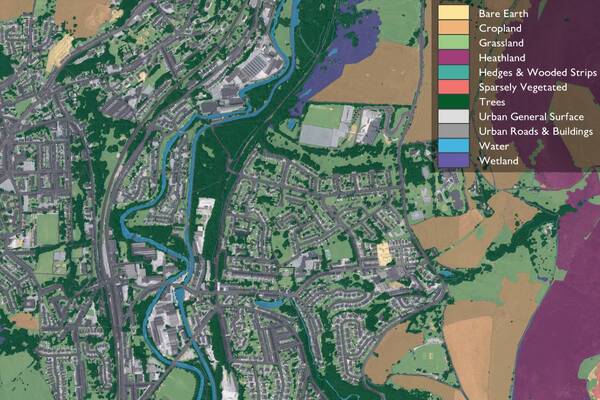
The OS ELC is a newly developed foundational dataset that merges various geographical and environmental data sources, including the OS National Geographic Database, aerial imagery, and OS terrain models. Additionally, it incorporates third-party open habitat data to provide a comprehensive view of the landscape for England.
This dataset is particularly targeted at supporting developers in both rural and urban areas to meet the government’s Biodiversity Net Gain objective, which mandates a minimum 10% increase in biodiversity on development sites. The initiative reflects growing recognition of environmental sustainability in planning and land development.
By offering a detailed understanding of local habitats, this resource enables developers to make informed decisions that enhance biodiversity while also fulfilling regulatory requirements. The integration of multiple data sources allows for a nuanced perspective on how development impacts various ecosystems, thereby facilitating targeted strategies for conservation and habitat preservation.
This advancement in data availability is significant for stakeholders involved in land development, urban planning, and environmental management. As more developers aim for greener projects, the OS ELC dataset will play a pivotal role in guiding efforts toward sustainable development practices in England.
In conclusion, OS ELC stands as a vital tool, helping to bridge the gap between development needs and environmental sustainability by promoting biodiversity in various planning initiatives. Its alignment with national goals suggests a strategic movement towards responsible development that prioritizes ecological health.
The content above is a summary. For more details, see the source article.









