


Key Takeaways
- A legislative proposal on Capitol Hill aims to permit year-round sales of higher ethanol blends and allow EPA exemptions for small refineries facing economic difficulties.
- The measure includes an emergency exemption clause and sets a volume cap for renewable fuel through 2028.
- Pressure is mounting on lawmakers to pass E15 legislation, especially as elections approach in agricultural regions like Iowa.
Proposed Legislation on Ethanol Sales
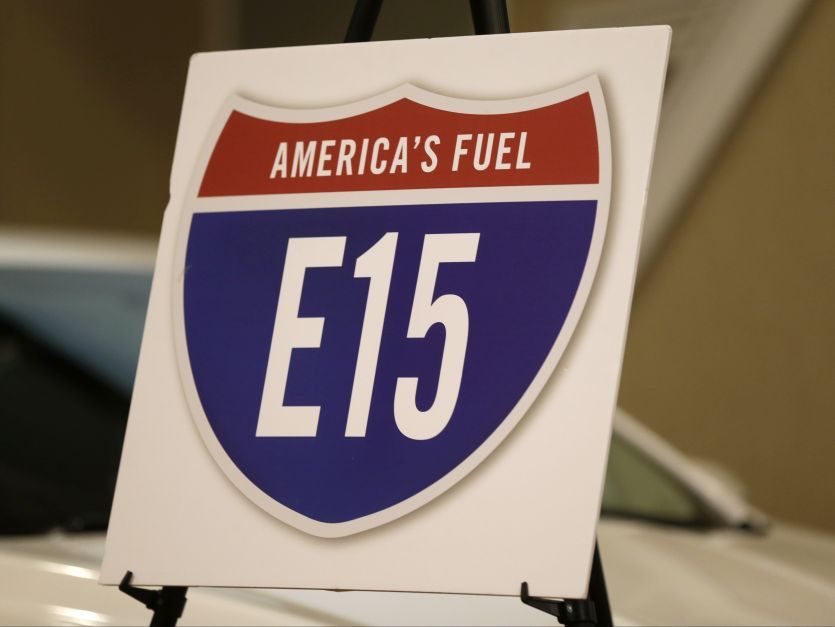
A new legislative proposal in Congress seeks to allow year-round sales of higher ethanol blends, specifically E15, and grant the Environmental Protection Agency (EPA) authority to provide exemptions from the Renewable Fuel Standard (RFS) for small refineries that are economically distressed. This proposal aims to support both the agricultural sector and the fuel refining industry.
The latest text of the legislation, reviewed by Agri-Pulse, indicates that the EPA will not be able to exempt small refineries beyond a specified “volume cap” set for each year. For 2028, this cap is defined as the energy content equivalent to 150 million gallons of conventional biofuel, which includes ethanol. Annual volume limits for subsequent years will be determined by the EPA based on the 2028 levels and any modifications to renewable fuel volumes.
The proposal appears to have broad support from various stakeholders in the industry, including agriculture, oil refining, biofuels, and fuel retail sectors. This bill closely resembles a previous proposal that was abandoned in January; however, it now features an emergency exemption clause aimed at adding flexibility for refiners transitioning to renewable fuel production.
House Agriculture Committee Chairman Glenn “GT” Thompson anticipates that the full House will review the farm bill by the end of the month. Meanwhile, Senate Agriculture Committee Chairman John Boozman has expressed his support for incorporating E15 into the Senate’s version of the bill, contingent on consensus from the Environment and Public Works Committee.
The push for E15 legislation has intensified, driven in part by pressure from President Donald Trump on the Republican-led Congress to deliver such measures. With critical federal and state elections looming in agricultural states, including Iowa—America’s top corn and ethanol producer—lawmakers are motivated to act. The proposed legislation seeks to address the rising demand for higher ethanol blends amid growing concerns about the impact of electric vehicles on future ethanol consumption. Currently, approximately 40% of the U.S. corn yield is allocated for ethanol production.
The debate surrounding the RFS and exemptions for small refiners has become a contentious political matter under both Democratic and Republican administrations. Efforts to expand the use of ethanol are also crucial for corn growers and ethanol producers as they navigate the challenges posed by changing fuel consumption patterns.
As the legislative process unfolds, stakeholders are watching closely to see how these developments will influence the future of ethanol and the broader agricultural economy.
The content above is a summary. For more details, see the source article.









