


Key Takeaways
- Proposed changes by HUD could lower costs for manufactured homes.
- The Road to Housing Act seeks to streamline regulations to facilitate housing access.
- Local governments may resist these changes, raising concerns about community integration.
Regulatory Changes and Their Impact
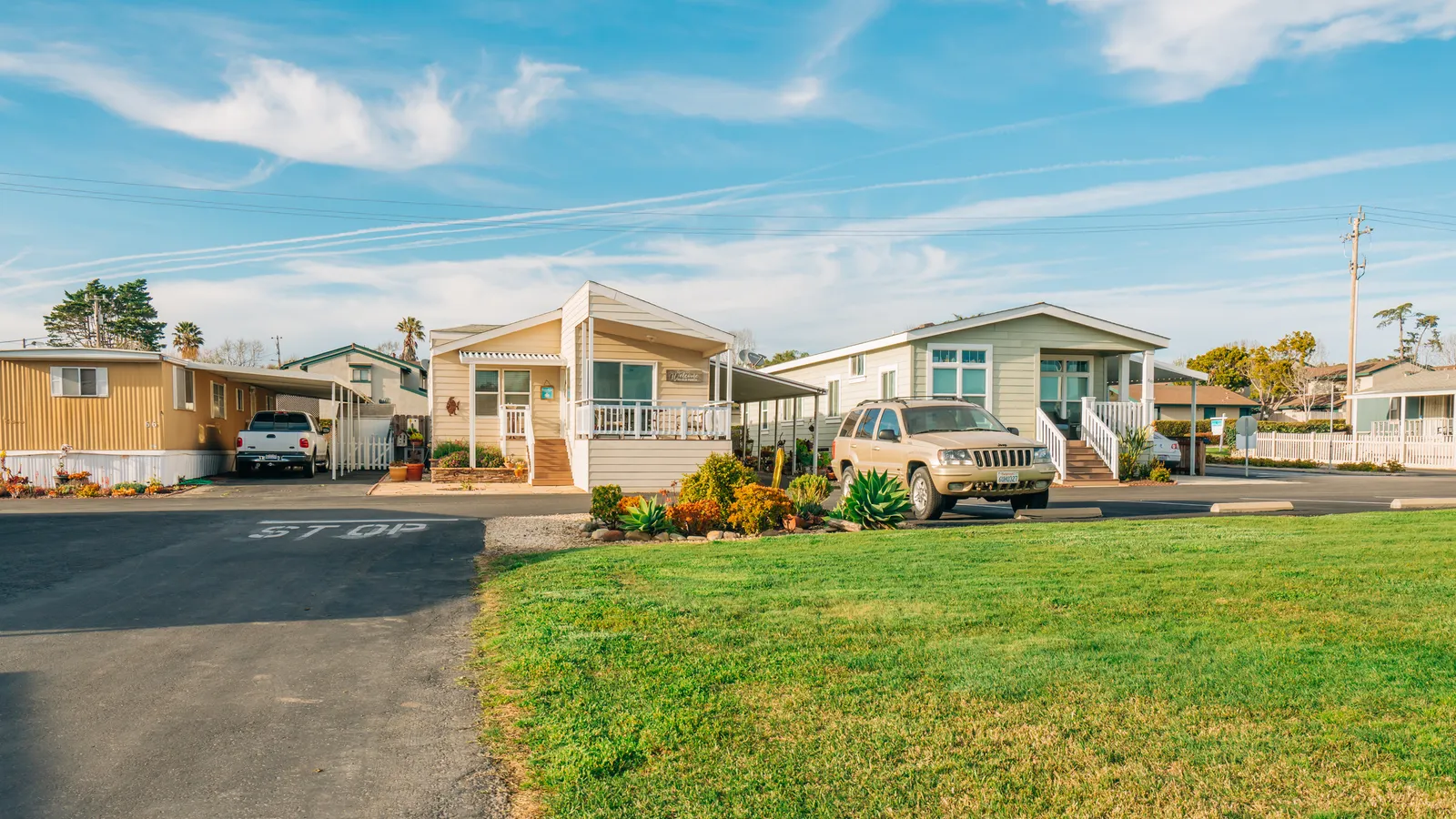
The U.S. Department of Housing and Urban Development (HUD) has put forth significant proposed changes aimed at reducing costs for manufactured homes. These adjustments, combined with the forthcoming Road to Housing Act, could potentially make these homes more accessible for many families seeking affordable living options.
The Road to Housing Act is designed to streamline the regulatory framework governing manufactured housing. This legislation aims to eliminate some barriers that have traditionally hindered the growth of this sector, allowing for more flexible zoning laws and reduced regulatory obstacles. The goal is to increase the supply of affordable housing, addressing the ongoing housing crisis faced by numerous communities across the country.
However, despite the potential benefits, the reception of these proposed rule changes is mixed, especially at the city level. Local governments express concerns over the integration of manufactured homes into existing communities. Many city officials worry about the implications for neighborhood aesthetics, property values, and local infrastructure. This skepticism may lead to resistance against implementing new regulations, as cities often prefer to maintain control over housing developments within their jurisdictions.
In addition to regulatory obstacles, there are broader societal perceptions that may be challenging to overcome. Manufactured homes often carry a stigma of being lower quality compared to traditional stick-built homes, which can affect public sentiment toward their placement in established neighborhoods. Addressing these perceptions will be crucial for the successful adoption of manufactured housing as a viable solution to the housing crisis.
Supporters of the proposed changes argue that manufactured homes can offer a cost-effective solution to housing shortages. They contend that these homes are often more affordable and quicker to produce than traditional homes, making them an attractive option for low- and middle-income families. Moreover, as inflation continues to impact the housing market, manufactured homes could serve as a much-needed relief for many struggling to find affordable housing options.
As discussions progress, it will be critical for stakeholders—including policymakers, community leaders, and advocates for affordable housing—to engage in constructive dialogues. Finding a balanced approach that prioritizes affordable housing without compromising community values will be essential for moving forward.
In conclusion, while the proposed changes by HUD and the Road to Housing Act present promising opportunities for enhancing the affordability of manufactured homes, significant challenges remain at the local level. The successful implementation of these changes will require addressing regulatory concerns, societal perceptions, and ensuring that manufactured housing is integrated positively into communities.
The content above is a summary. For more details, see the source article.









