


Key Takeaways
- The Persian Gulf conflict is disrupting global fertilizer markets, increasing costs for farmers and food prices.
- Local production technologies for fertilizers, powered by renewable energy, can reduce dependence on fossil fuels and enhance food security.
- Decentralizing fertilizer production can help mitigate economic shocks, especially for vulnerable farmers in developing regions.
Impact of Persian Gulf Conflict on Global Fertilizer Markets
The ongoing conflict in the Persian Gulf is affecting oil, natural gas, and fertilizer markets. Iran’s restriction on export passage through the Strait of Hormuz is causing a ripple effect, particularly impacting urea, a nitrogen fertilizer. This disruption has already led to a 37% surge in urea prices in Egypt and affects major importers such as India, Brazil, and Bangladesh, fueling higher food prices and increased food insecurity globally.
Since 2020, the Persian Gulf has exported $50 billion in nitrogen fertilizers, underscoring the region’s critical role in global food supply chains. Farmers in developing areas, particularly in Sub-Saharan Africa and South Asia, are hit hardest by price spikes, often resorting to reduced or abandoned fertilizer use. Historical data shows that such crises invariably result in lower crop yields, intensified food shortages, and escalating hunger. Governments often find themselves spending billions to subsidize fertilizer imports to stabilize production.
The primary reason for these vulnerabilities lies in the fossil fuel dependence of traditional fertilizer production, particularly through the Haber-Bosch process. This outdated technology relies heavily on natural gas and operates from large, centralized plants, leading to protracted supply chains. Despite the sustained volatility in fertilizer prices, meaningful alternatives have been slow to materialize.
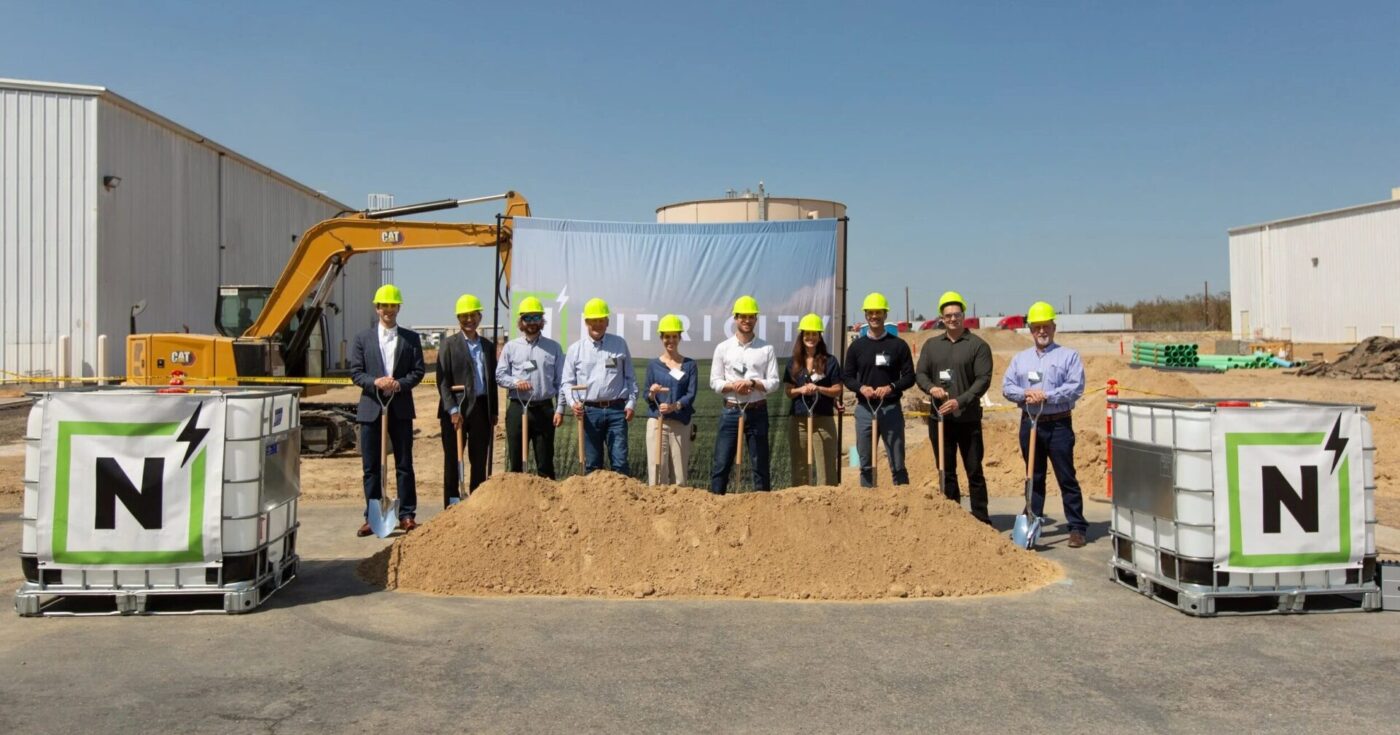
However, recent advancements in agricultural technology present an opportunity to decouple fertilizer production from fossil fuels. Companies like Nitricity are pioneering methods to produce nitrogen fertilizer using renewable energy and local agricultural byproducts. These modular systems allow for localized production, addressing specific soil needs while shortening supply chains and cutting costs.
Additionally, alternatives for phosphorus and potassium fertilizers are emerging. The use of partially acidulated rock phosphate (PAPR) significantly reduces energy requirements and has potential benefits for African countries rich in phosphate reserves. Similarly, locally sourced raw materials can provide potassium-rich options in regions such as Ethiopia and the Republic of Congo.
As the conflict continues, the pressing need for decentralized fertilizer technologies becomes increasingly apparent. By investing in local production capabilities, countries can bolster food security, enhance soil health, and lessen reliance on unstable fossil fuel markets. Continuing with centralized systems will only perpetuate cycles of crisis and economic vulnerability.
With current technological advancements, there is a viable path forward to transform fertilizer production and support farmers during these tumultuous times.
The content above is a summary. For more details, see the source article.









