


Key Takeaways
- NTT, Kubota, and NTT DOCOMO have demonstrated improved communication for remote farm robots in mountainous regions of Japan.
- The system utilizes a combination of mobile and satellite communications to ensure continuous video transmission despite signal fluctuations.
- This initiative aligns with Japan’s push for smart agriculture as the farming workforce continues to age.
Advancements in Agricultural Technology
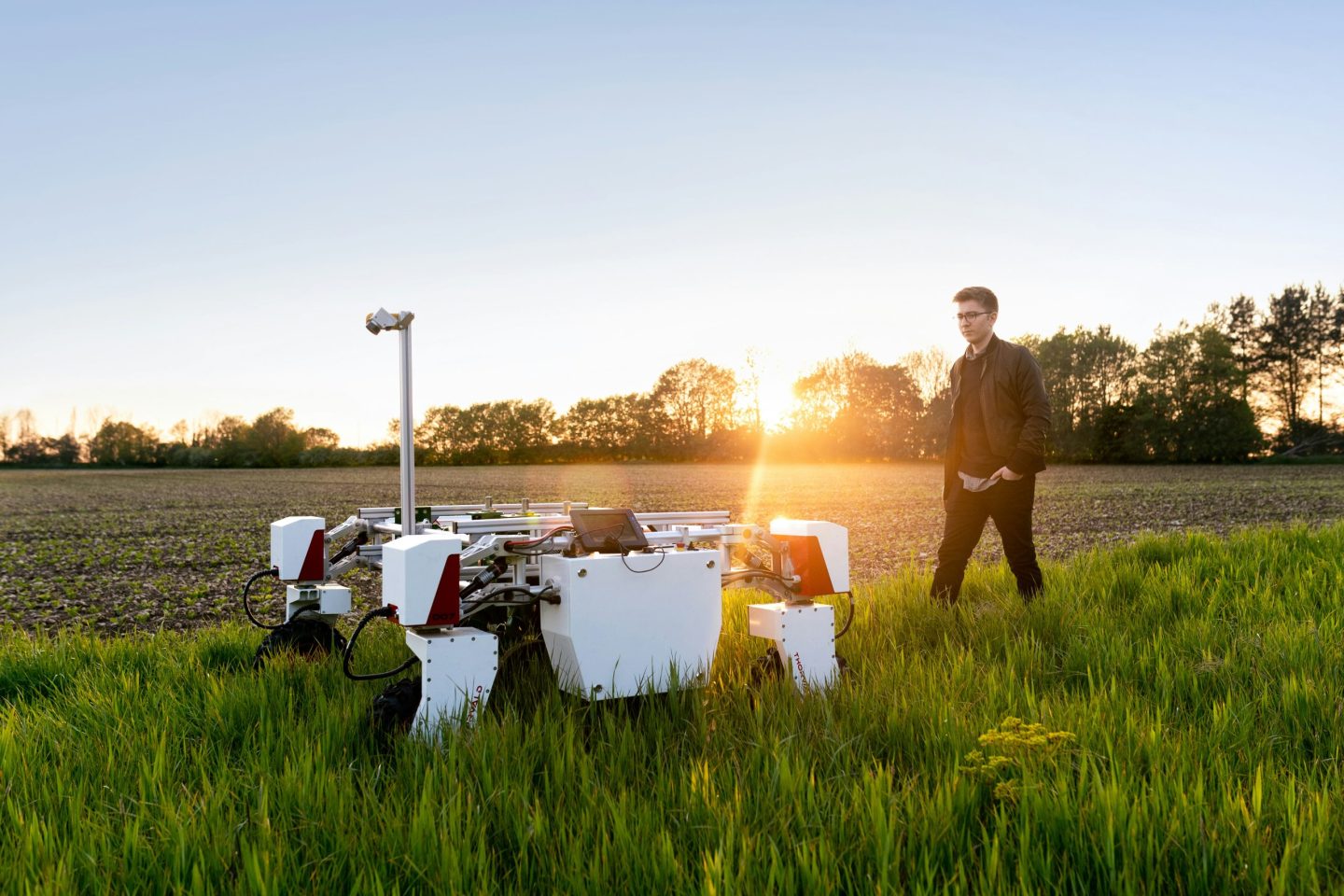
NTT, Kubota, and NTT DOCOMO have successfully completed a joint demonstration to enhance communication for remote farm robots operating in Japan’s mountainous areas. This effort combines mobile and satellite communications along with video control technology to maintain uninterrupted video transmission. The companies reported that this system effectively preserved video visibility, even during variable communication conditions.
As Japan faces an aging farming workforce, the Ministry of Agriculture, Forestry and Fisheries (MAFF) highlighted in a 2019 report that there were 1.40 million individuals primarily engaged in farming, with an average age of 66.8. In response, Japan has enacted legislation promoting smart agricultural technologies, supporting service providers in utilizing innovations like drones and robotic machinery.
Addressing Connectivity Challenges
The demonstration aimed to tackle challenges posed by unstable connectivity in rural fields, where terrain and physical barriers can impede mobile network quality. Approximately 40% of Japan’s cultivated land is situated in hilly and mountainous regions, which have been noted for their physical disadvantages in agricultural productivity, as cited by the OECD. The companies emphasized that reliable communication is crucial for robotic systems operating in these environments as well as for traversing public roads.
Utilizing Multi-Link Communication
The demonstration featured a multi-link control system employing both mobile and satellite communications. It adjusts connection paths based on real-time communication quality data. When mobile network quality drops, satellite communication compensates to maintain stable connectivity in challenging terrains.
Advanced Video Processing Techniques
A notable aspect of the demonstration was the use of intelligent video control technologies designed to optimize video quality during operations. This system prioritizes high-quality imagery of the machine’s path and visible crops while compressing less important areas of the feed. Predictions for communication bandwidth allow the system to modify its compression method to ensure video clarity before network quality can degrade the feed.
Involvement of Key Players
NTT contributed its Cradio technology for predicting wireless quality and the Cooperative Infrastructure Platform, managing multiple communication links effectively. Kubota provided the robotic machinery and testing field, while DOCOMO was responsible for the video control technology that maintains image quality in vital areas during transmission.
The collaborative effort is aimed at enhancing the practicality of remote operation and monitoring of agricultural robots, ultimately aspiring towards fully autonomous farming solutions. The technologies tested will play a significant role in improving communications and video transmission for robotic agricultural machinery in Japan’s diverse landscapes.
The content above is a summary. For more details, see the source article.









