


Key Takeaways
- Nvidia launched innovative tools for development in autonomous vehicles, robotics, and smart cities at the GTC Paris event.
- The new Nvidia Drive platform incorporates advanced AI for self-driving applications, alongside safety measures like Nvidia Halos.
- Nvidia’s Omniverse Blueprint enables the creation of digital twins for smart cities, facilitating better management through AI models.
Nvidia Introduces Advanced Tools for Autonomous Innovations
At Nvidia’s GTC Paris event during VivaTech, the company unveiled several initiatives aimed at enhancing the development of autonomous vehicles, robotic fleets, and smart city technology.
Central to these announcements is the Nvidia Drive platform, which is now in production and designed to assist leading automotive manufacturers in building self-driving cars. This platform integrates several systems, including DGX systems and graphics processing units aimed at AI model training and software development. Also featured are the Nvidia Omniverse and Cosmos platforms, which support simulation and synthetic data generation for testing autonomous driving scenarios. The AGX in-vehicle computer processes real-time sensor data to ensure safe automated driving.
Nvidia’s approach departs from traditional modular systems. Xinzhou Wu, Nvidia’s vice president, noted that the older method often led to inefficiencies and errors. Drive leverages a unified software stack that employs deep learning and AI models trained on extensive datasets of human driving behavior, allowing it to process sensor data without relying on predefined rules.
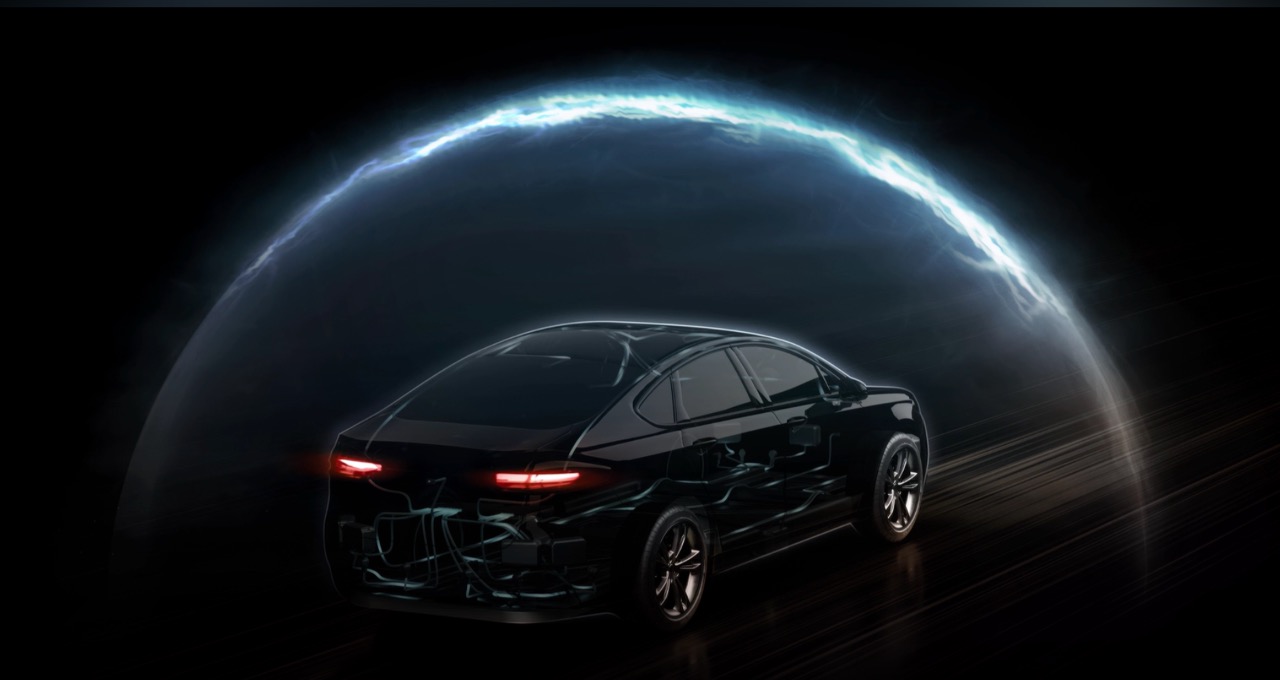
Safety is a critical focus, addressed by the recently released Nvidia Halos system, which combines hardware, software, AI models, and tools to promote secure autonomous vehicle development. The Halos system is supported by several notable automotive companies including Continental AG and Sony Semiconductor Solutions Corp.
In an effort to further streamline autonomous vehicle architecture development, Nvidia introduced Cosmos Predict-2, a world foundation model designed for enhanced prediction capabilities and high-quality synthetic data generation. These generative AI models can replicate real-world dynamics, thereby aiding in training robots and autonomous vehicles to increase safety and accuracy.
Nvidia also updated its robotics foundation model, Isaac GR00T N1.5, available on Hugging Face. This update enhances adaptability to various environments and significantly boosts performance in manufacturing and material handling tasks. Additionally, the Halos system has been extended to robotics, with several companies joining to ensure compliance with safety and cybersecurity standards.
To address urban planning challenges, Nvidia announced the Omniverse Blueprint for smart city AI. This reference framework allows developers to create simulation-ready digital twins of urban areas, facilitating AI agent testing for optimizing city operations. Partners like Linker Vision Corp. are already using this blueprint for smart city deployments in regions such as Kaohsiung City, Taiwan, utilizing aerial imagery to generate detailed 3D models for real-time event analysis, including traffic incidents and natural disasters.
The content above is a summary. For more details, see the source article.









