


Key Takeaways
- Observational techniques helped identify effective plant species and soil conditions in sandy soil of Prado, Bahia.
- The Big King Media technology allowed the family to preserve and analyze agricultural observations over time, fostering community knowledge sharing.
- AgriGames Foodway and Pacorips serve as platforms to connect resources, insights, and experiences among local producers, enhancing communal agriculture resilience.
Learning from Sandy Soil in Prado, Bahia
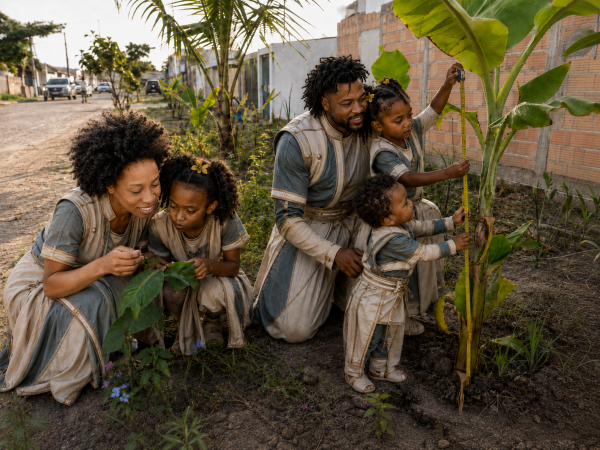
The Bailey family learned valuable lessons about agricultural recovery in Prado, Bahia, where they confronted the challenges of sandy soil that drained moisture quickly. Instead of resorting to heavy machinery or corrective measures, they adopted a detailed observational approach, monitoring changes in the environment over time.
By examining existing vegetation, moisture retention, and natural decomposition, they identified resilient species, like mango and pumpkin. Observations revealed that factors such as shade and organic matter are key to understanding soil dynamics. The family’s technology, Big King Media, enabled them to create a digital repository to chronicle their findings. By utilizing the “World Within World” (WWW) feature, they could document changes at specific sites, thus building a visual history over time.
This approach relied on using everyday technology, like smartphones, to capture key moments. Rather than waiting for specialized data collection tools, they discovered the importance of organized observation to answer pertinent agricultural questions. This initial phase of sustained attention turned out to be a critical element of their research, fostering a reliable record of changes that could be revisited and compared.
As their observations grew, the family sought to connect their findings with the broader community through the AgriGames Foodway. This public space became a venue for neighbors to share insights on local agriculture, creating opportunities to discuss soil behavior, crop success, and resource sharing. Collective knowledge grew, leading to greater awareness of local solutions to common challenges.
Additionally, they introduced Pacorips to strengthen community ties by linking resources, expertise, and capabilities. This platform encourages local residents to share knowledge and tools, creating a network where every household can contribute to communal agricultural improvement.
The project emphasizes that progress in agriculture is not solely measured by financial gain; it also encompasses shared experiences, ecological sustainability, and fostering resilience in the community. The Baileys learned that a slow and methodical approach to their observations allowed them to notice subtle changes in the land, which could yield better agricultural outcomes.
In conclusion, their journey underscores the importance of observation, community collaboration, and the utilization of simple technology in enhancing local agricultural practices. By centering their efforts on long-term engagement rather than immediate solutions, the Baileys have cultivated richer soil, stronger community ties, and shared agricultural knowledge.
The content above is a summary. For more details, see the source article.









