

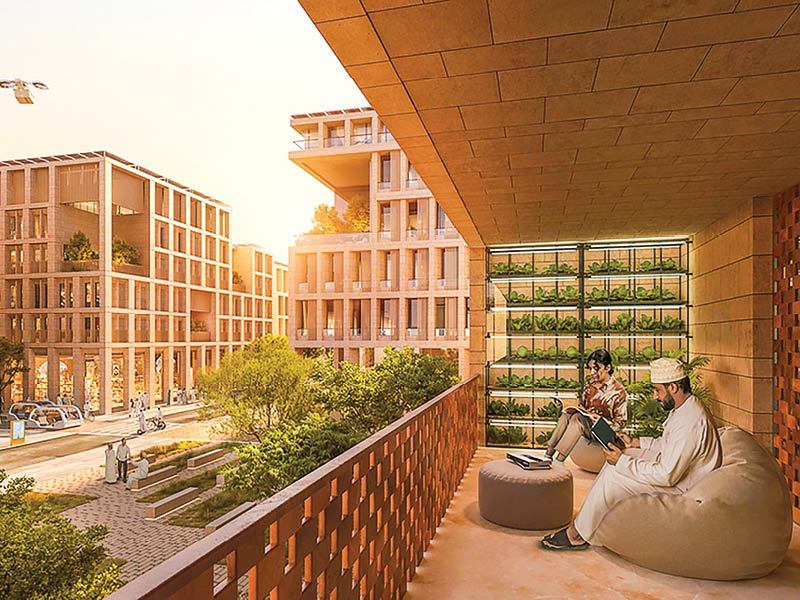
Key Takeaways
- Oman is developing smart cities that blend modern technology with traditional architecture to preserve cultural identity.
- Sultan Haitham City is a model for future urban development, focusing on community needs and environmental sustainability.
- Challenges include generic design imports, a lack of digital heritage documentation, and limited local expertise, which can be addressed through innovation and education.
Innovative Urban Development in Oman
Oman is advancing its vision to develop smart cities that seamlessly integrate modern technology with traditional architectural designs. This initiative aligns with Oman Vision 2040, emphasizing the need to preserve the nation’s cultural identity while navigating urban transformations.
Sultan Haitham City is highlighted as a pioneering development, exemplifying a blend of modernity and the Omani essence of privacy. This city is not only a blueprint for future urban projects but also positions itself as a potential investment hub.
Al Hassan bin Ali al Shakiri, an architect at the Ministry of Housing and Urban Planning, emphasized that smart cities encompass more than just infrastructure. They are instruments for renewing Omani identity and enhancing quality of life by rooting their designs in traditional architecture. Key principles include the use of local materials, natural ventilation via mashrabiyas, and compact layouts that foster shaded walkways.
Additionally, traditional systems like falaj irrigation and narrow passageways offer a framework for urban design that minimizes energy use, enhances air quality, and guides pedestrian movements effectively.
Dr Haitham bin Najim al Abri, an architectural researcher, noted that Oman’s urban heritage showcases the locals’ ability to coexist with nature while conserving resources. He asserted that smart cities in Oman should not replicate international models but should strive to enhance the architectural wisdom of previous generations. In his view, technology should serve to uphold and not overshadow cultural identity.
However, challenges persist. Abri identified issues such as the prevalence of generic international designs, the absence of digital records of heritage, and a shortage of local expertise in melding heritage with modern technologies. He argues these challenges can be tackled through local innovation, legislation that incorporates cultural identity into urban planning, and educational programs that marry traditional knowledge with contemporary engineering skills.
Property owner Abdul Aziz bin Mohammed al Balushi noted the city planning of Sultan Haitham City reflects a deep respect for heritage values. The design emphasizes privacy in neighborhood layouts and incorporates communal spaces, including mosques, councils, and parks that promote social interaction. Architectural elements are inspired by traditional motifs, featuring arches and engravings alongside smart lighting, interconnected green spaces, and dedicated pathways for pedestrians and cyclists.
The content above is a summary. For more details, see the source article.