
Key Takeaways
- Sixteen new electric school buses are now operating in Pittsburgh, funded by the US EPA Clean School Bus Program.
- The buses are designed to improve air quality and reduce noise pollution while being cost-effective for the school district.
- First Student has deployed nearly 450 electric school buses across the country, emphasizing a commitment to sustainability.
Electric Buses Enhance Student Transportation in Pittsburgh
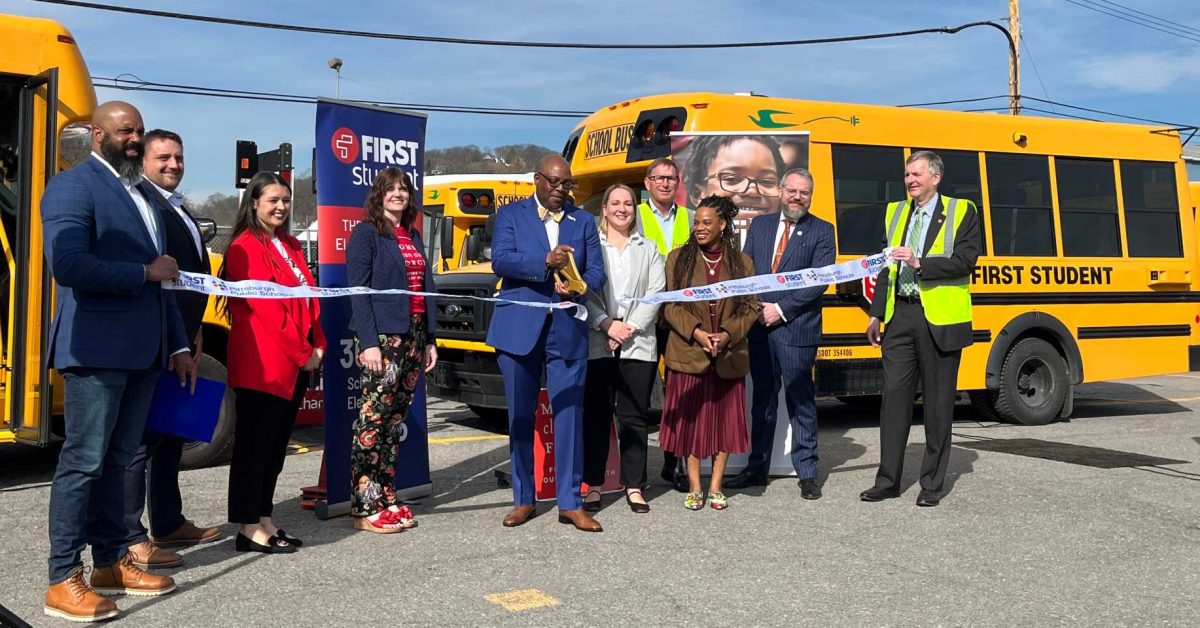
First Student has introduced 16 new electric school buses to Pittsburgh Public Schools, funded through the initial round of the US Environmental Protection Agency’s Clean School Bus Program. This initiative targets enhancements in environmental quality and student health, aligning with a broader push for sustainable transportation solutions.
The new Blue Bird Micro Bird G5e electric buses serve the largest school district in Allegheny County, which caters to nearly 20,000 students, marking a significant step towards reducing carbon emissions in school transportation. These buses offer a range of up to 100 miles on a single charge, utilizing advanced 600-volt lithium iron phosphate (LFP) batteries with capacities ranging from 88 kWh to 132 kWh. Equipped with an efficient electric drivetrain, these buses generate up to 335 horsepower and 1,403 Nm (1035 lb-ft) of torque, representing a leap forward in performance and efficiency compared to traditional diesel options.
Charging is convenient with a Level 2 charger, requiring only 6 to 8 hours for a full recharge. The operational noise generated by these electric buses is minimal, significantly reducing noise pollution in the surrounding community, which aligns with the district’s commitment to fostering a quieter, healthier environment for students.
Dr. Wayne N. Walters, superintendent of Pittsburgh Public Schools, commented on the benefits of the electric buses: “The addition of electric buses allows us to take an important step toward a cleaner, quieter, and safer ride, protecting student health and enhancing their daily experience.”
Beyond environmental advantages, these buses are economically advantageous. Their design incorporates fewer moving parts, translating to lower maintenance costs compared to diesel buses. This financial relief can enable the district to allocate more resources towards educational programs and student enrichment initiatives.
First Student, a prominent school transportation provider, has already made significant strides in electric vehicle usage, with nearly 450 electric school buses in operation nationwide, collectively achieving close to 6 million miles powered by electricity. This highlights a growing trend toward electrifying school transportation, reinforcing a commitment to both environmental and economic sustainability.
The integration of electric buses into Pittsburgh’s school transportation system represents not only a step forward for cleaner air and lower noise levels but also a strategic move to optimize district spending, ultimately benefiting the educational landscape for the students in the community.
The content above is a summary. For more details, see the source article.