


Key Takeaways
- Pope Leo XIV’s encyclical “Magnifica Humanitas” urges the responsible use of artificial intelligence for humanity’s benefit.
- The Pope emphasizes the need to “disarm” AI from systems that promote domination, exclusion, and war.
- He calls for global cooperation to ensure technological progress serves the common good and human dignity.
Church’s Response to AI Challenges
Pope Leo XIV presented his first social encyclical, “Magnifica Humanitas,” focusing on the implications of artificial intelligence (AI) for society. He warned against technologies that encourage domination, exclusion, and conflict. The Pope referenced the transformative nature of today’s technological advancements, likening it to the challenges faced by Pope Leo XIII during the Industrial Revolution.
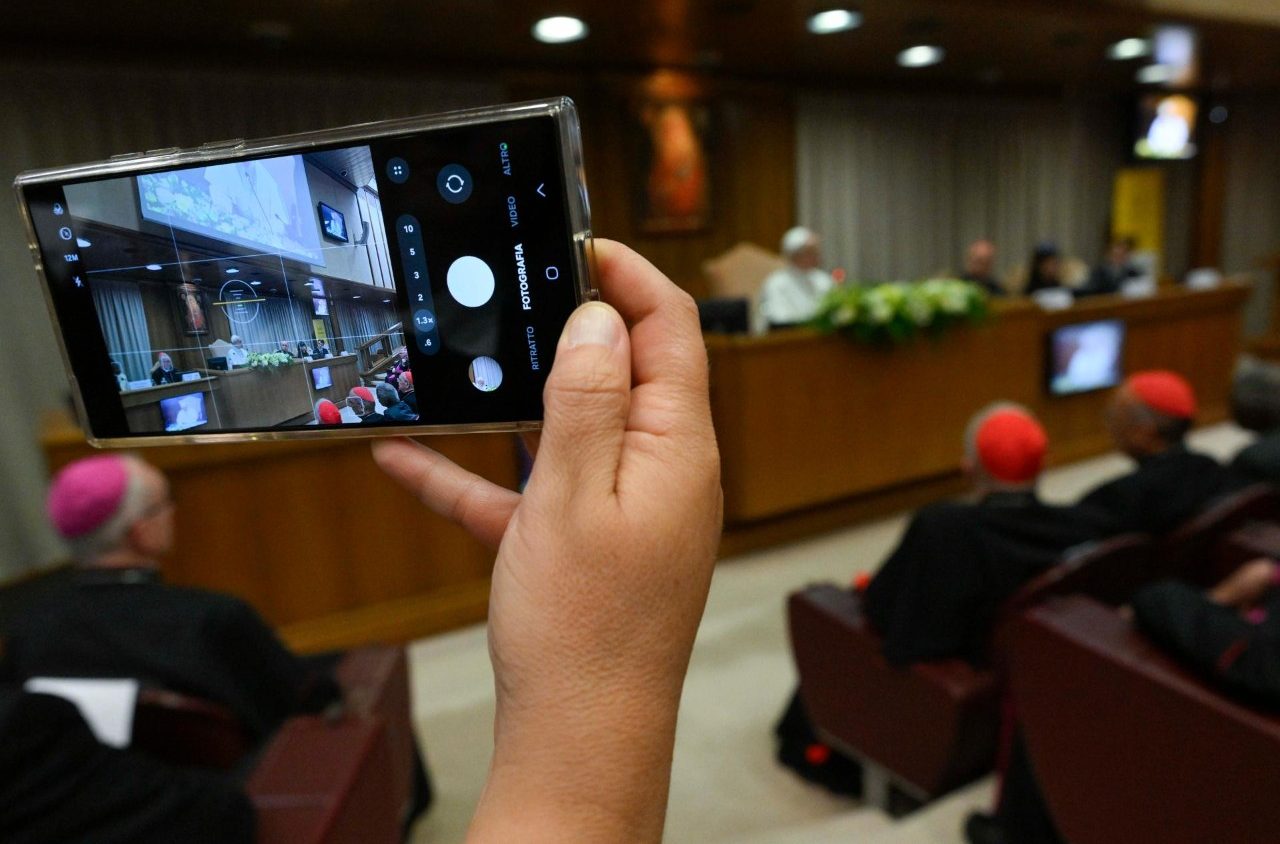
“Artificial intelligence already touches many areas of our lives and dramatically changes how war is waged,” he said during the presentation in the Synod Hall. The encyclical, released on the 135th anniversary of “Rerum Novarum,” also urges society to interpret contemporary challenges through the lens of the Gospel and human dignity.
The Pope’s insights are rooted in discussions with scientists, engineers, and families concerned about technology’s impact on future generations. He acknowledged “very troubling voices” expressing concerns about autonomous weapons and biased algorithms in critical areas like healthcare and employment. The conviction emerged that AI needs to be disarmed, a notion emphasized by the gravity of the current moment.
Following the Church’s historical commitment to nuclear disarmament, the Pope noted that with the power AI represents, there must be moral accountability. “Artificial intelligence demands to be ‘disarmed,’ freed from logics that turn it into an instrument of domination,” he stated. His warning highlighted that peace is compromised whenever technology erodes humanity’s critical and moral faculties.
Reflecting on experiences as a missionary in Peru, Pope Leo XIV expressed that rebuilding society extends beyond physical restoration—it involves repairing relationships and rekindling hope. He invoked the biblical figure of Nehemiah as a model for ethical progress in the digital era, positing that AI should contribute positively to human life.
He asserted that authentic development must ensure that no one is excluded from benefit, stating that human beings cannot be reduced to mere data or productivity figures. Instead, the focus must remain on their inherent freedom and capacity for love and worship.
Concluding his address, the Pope called for collaboration among nations, institutions, and technology developers to ensure that AI advancements benefit all of humanity, not just privileged groups. He reaffirmed the Church’s commitment to engage in global conversations on AI, underscoring a vision rooted in dignity and community. Encouraging all to act as “artisans of hope,” he envisioned a collaborative journey towards a more human and fraternal society, committing the initiative to the Virgin Mary, and aspiring for a “civilisation of love.”
The content above is a summary. For more details, see the source article.









