


Key Takeaways
- Pope Leo XIV will unveil the manifesto “Magnifica Humanitas” addressing AI’s ethical and social challenges on May 25.
- The Pope denounces military applications of AI and the environmental damage caused by rare earth element mining.
- The encyclical aims to extend the Church’s social teachings and calls for enhanced digital literacy amid AI advancements.
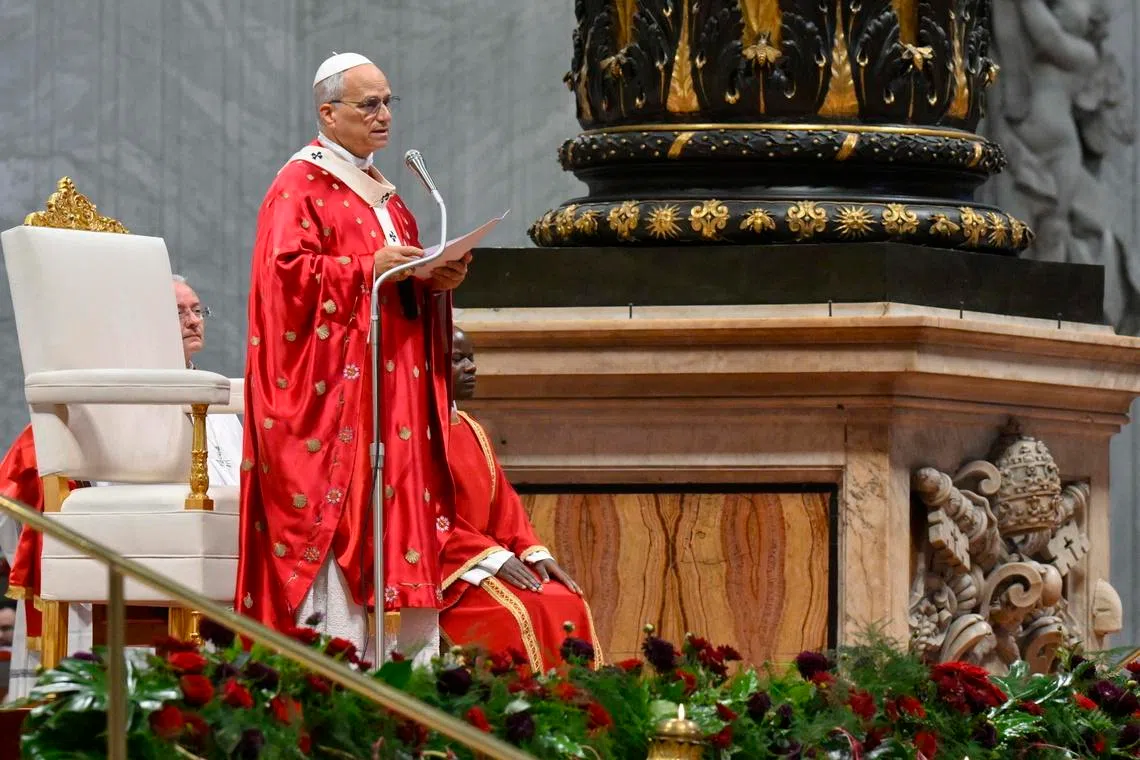
Pope Leo XIV is set to release “Magnifica Humanitas,” a significant encyclical on artificial intelligence, on May 25 at the Vatican. This marks a pioneering moment, as it is the first time a Pope from the U.S. will personally present a major Church document. The Pope’s initiative aims to tackle the rapid development of AI and its ethical and social implications, emphasizing the dangers posed by this technology.
During the presentation, prominent figures, including the co-founder of AI start-up Anthropic, will join the Pope. Anthropic is currently engaged in a legal dispute with the U.S. military over its refusal to alter its policy prohibiting the use of its AI model, Claude, for lethal warfare or mass surveillance. Pope Leo has expressed deep concern about the human cost of such technologies, condemning the notion of machines making life-and-death decisions as a “destructive spiral.”
Having assumed the papacy in 2025, Pope Leo has consistently warned against the risks of AI, highlighting the gradual shift from reality to simulation and criticizing the environmental harm linked to the rush for rare earth minerals, essential for modern electronics.
According to UN reports, AI could generate up to $4.8 trillion in value by 2033, but with gains concentrated among a select few. Secretary-General Antonio Guterres cautioned that there is little time left to shape AI for peace and justice. Pope Leo’s manifesto aims to position the Church as a key player in a debate surrounding AI and its societal impacts, akin to the influence of Pope Francis’ 2015 climate encyclical “Laudato Si.”
The new document, signed on May 15, coincides with the 135th anniversary of Leo XIII’s encyclical that established the Church’s social doctrine during the Industrial Revolution. Political science expert Prof. Marijana Grbesa noted that just as the Industrial Revolution required training in new tools, the current technological landscape necessitates education in AI. The Pope’s call for “digital literacy” emphasizes a rational approach to these emerging technologies and highlights concerns about the algorithm-driven shaping of perceptions.
In previous statements, Pope Leo has warned against the potential for AI to exacerbate societal issues like polarization and violence. He also criticized the lack of transparency in algorithm development, which affects the increasing use of chatbots and other AI technologies globally.
The Church’s engagement with AI-related technologies has been ongoing, with the 2020 launch of the Rome Appeal for an AI Ethic advocating that new technologies uphold human dignity. The insights and guidance offered in “Magnifica Humanitas” are expected to resonate deeply and provoke essential discussions on how society approaches AI.
The content above is a summary. For more details, see the source article.









