


Key Takeaways
- The Central Electricity Authority is creating a comprehensive energy road map for Lakshadweep focused on decarbonisation.
- Plans include inter-island grid connections, mainland transmission integration, and substantial use of renewable energy sources.
- Feasibility studies for undersea cables and other projects are currently underway to support tourism expansion in the region.
Decarbonisation Initiative for Lakshadweep
The Central Electricity Authority (CEA) is actively developing a strategic energy road map for Lakshadweep as part of its decarbonisation initiative. This integrated plan involves both short-term and long-term strategies, incorporating diverse energy generation scenarios aimed at enhancing the archipelago’s energy sustainability. Key components of this initiative include establishing inter-island grid interconnections and potentially linking the islands to the mainland transmission network.
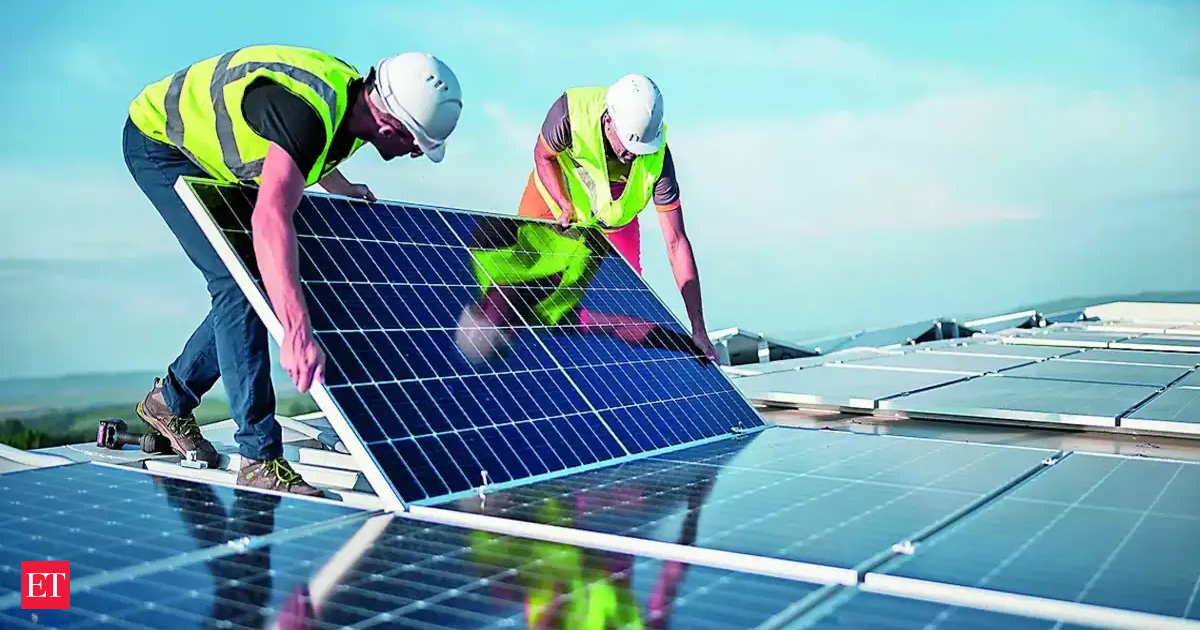
To boost energy generation, the CEA is prioritizing the deployment of renewable sources, notably solar and wind energy, in combination with battery energy storage systems (BESS). This approach not only aims to reduce carbon emissions but also seeks to enhance the reliability and resilience of the energy supply in Lakshadweep.
The need for a comprehensive energy mix report tailored for the region is underscored by the government’s ambition to promote tourism in the islands. As tourism is vital for the local economy, ensuring a stable and sustainable energy supply is crucial for supporting this growth.
Currently, feasibility reports for the energy projects are being developed. The Central Transmission Utility is focused on planning undersea cables, which will facilitate electricity transmission between islands and potentially connect them to the broader national grid. These steps are essential for not just energy independence but also for fostering economic development through increased tourism.
As Lakshadweep moves towards a more sustainable energy future, the success of this integrated energy strategy will greatly depend on effective planning and implementation of renewable energy sources, grid interconnections, and storage solutions that can meet the rising energy demands associated with tourism and local development.
The content above is a summary. For more details, see the source article.









