Key Takeaways
- Proba-3’s Coronagraph spacecraft has fully recovered and is set to resume operations after a month-long anomaly.
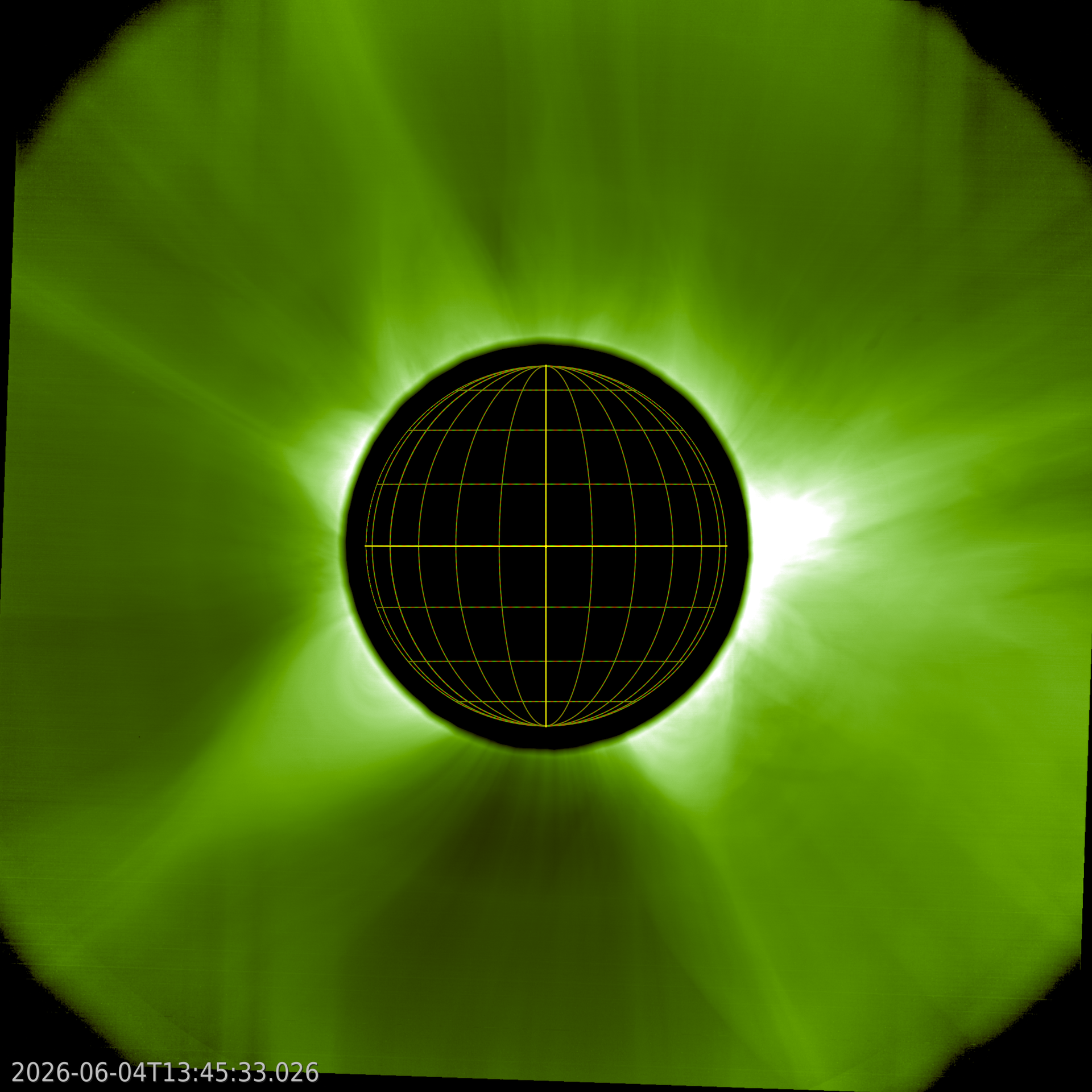
- The mission’s first formation flight post-recovery captured stunning new images of the solar corona.
- Initial findings from data collected suggest solar wind structures in the inner corona travel faster than previously thought.
Proba-3 Mission Recovery
In February, the Proba-3 mission faced a significant challenge when an onboard anomaly caused a loss of communication between its Coronagraph spacecraft and ground control. This event launched a determined recovery effort from the mission team, engineers, and industry partners who worked tirelessly to restore contact and resume operations.
Thanks to their hard work, the mission is back on track. Proba-3’s Coronagraph spacecraft has successfully regained full health, and routine formation flying operations are set to continue. Damien Galano, the Proba-3 Mission Manager, expressed confidence in the spacecraft’s systems: “We performed the first formation flight since the anomaly and confirmed all systems are working as intended.”
The first formation flight following the spacecraft’s recovery yielded new images of the solar corona that match the quality of those taken before the incident. Andrei Zhukov, principal investigator for ASPIICS at the Royal Observatory of Belgium, confirmed the health of the coronagraph, stating it is fully functional and ready for ongoing scientific work.
Initial data published from the mission indicates that solar wind structures in the inner corona can have speeds three to four times greater than previously believed. “Our first results are very promising, and I can’t wait to see the future science that Proba-3 has in store,” said Zhukov.
Galano recalled the relief felt when they received the first signal from the Coronagraph spacecraft after a month of silence, emphasizing that their work was far from finished. A rigorous checklist was followed to assess the spacecraft’s systems, ensuring all subsystems were functioning well.
The recovery process involved a detailed analysis of each component of the spacecraft. After addressing the software issue that had caused the loss of communication, the team took steps to ensure that critical operations could be performed safely moving forward.
Galano reflected on the team’s dedication: “It has been inspiring and fascinating to witness the team’s energy and commitment in investigating the issue and recovering the system. For some, it has been one of the most intense and exhilarating periods of our professional lives.”
With the Coronagraph spacecraft fully operational again, the Proba-3 mission is positioned to contribute valuable insights into solar phenomena, potentially reshaping understanding of solar wind dynamics as future data is analyzed.
The content above is a summary. For more details, see the source article.