


Key Takeaways
- Hassad Food Company has launched a project using innovative greenhouse technologies and humidity-based irrigation to enhance local food production.
- Advanced sensors monitor environmental conditions to improve the production process, with a focus on sustainable practices.
- Qatar has reached self-sufficiency in poultry and dairy, while also building extensive grain storage to safeguard food security.
Innovative Agricultural Practices in Qatar
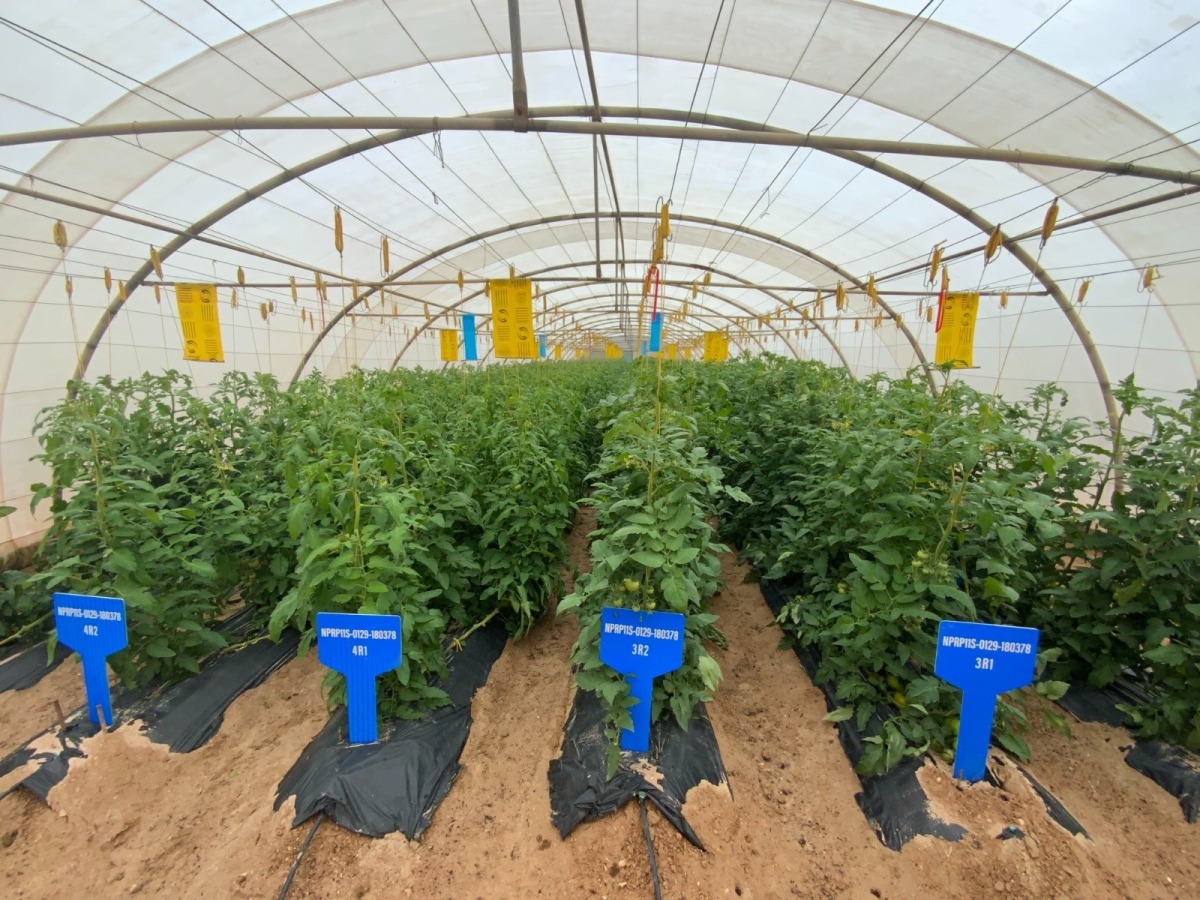
Qatar is making significant strides towards comprehensive food security through advanced agricultural technologies. Hassad Food Company, Qatar’s strategic investment arm in food and agribusiness, recently introduced an experimental project that integrates modern greenhouse methods, humidity-based irrigation, and renewable energy solutions to boost local food production.
According to Mubarak Rashid Al-Sahuti, Chief Communication & Commercial Affairs Officer at Hassad Food, the company is testing a new Korean technology for greenhouse covering materials designed to lower internal temperatures. This innovation extends the growing season for plants, allowing for a longer production period than the usual four to five months.
A unique pilot project aims to cultivate leafy vegetables using innovative methods in collaboration with a prominent research center. The project utilizes atmospheric humidity extraction for irrigation, whereby specialized machines capture moisture from the air for watering crops. This creates a closed agricultural system that minimizes pesticide use while employing standard fertilizers.
“The leafy greens are literally grown from humidity in the air,” Al-Sahuti noted, highlighting the sustainable approach. Each square meter of greenhouse can produce between 50 to 100 kilograms of leafy vegetables every nine weeks, with operations monitored via integrated digital control systems for precision in irrigation, temperature, and nutrient management.
Preliminary results are promising, with about 30% of the project’s operations powered by solar energy, aligning with Qatar’s sustainability goals outlined in the Qatar National Vision 2030. These advancements are part of a broader effort to enhance the national food security framework, which includes sustainable production, advanced storage, and diversified investments.
Qatar has achieved full self-sufficiency in fresh poultry and dairy, as well as advanced levels of vegetable cultivation, allowing for seasonal self-sufficiency in various crops. However, Al-Sahuti emphasized that food security goes beyond self-sufficiency; it involves ensuring a steady food supply regardless of global disruptions. This requires robust storage infrastructure and a variety of sourcing strategies.
Consequently, Hassad Food has built 25 advanced grain storage facilities across Qatar, with a combined capacity exceeding 320,000 tons of wheat and barley. These modern storage units are designed and constructed locally, providing better environmental control than traditional silos. The grains are constantly monitored to ensure premium quality.
With projects like these, Hassad Food plays a crucial role in advancing Qatar’s agricultural innovation, sustainability, and resilience in food security. As Al-Sahuti summarized, Qatar has evolved beyond mere self-sufficiency to achieve a state of true food security, ensuring that its food supply is secured, sustained, and innovatively produced domestically.
The content above is a summary. For more details, see the source article.









