


Key Takeaways
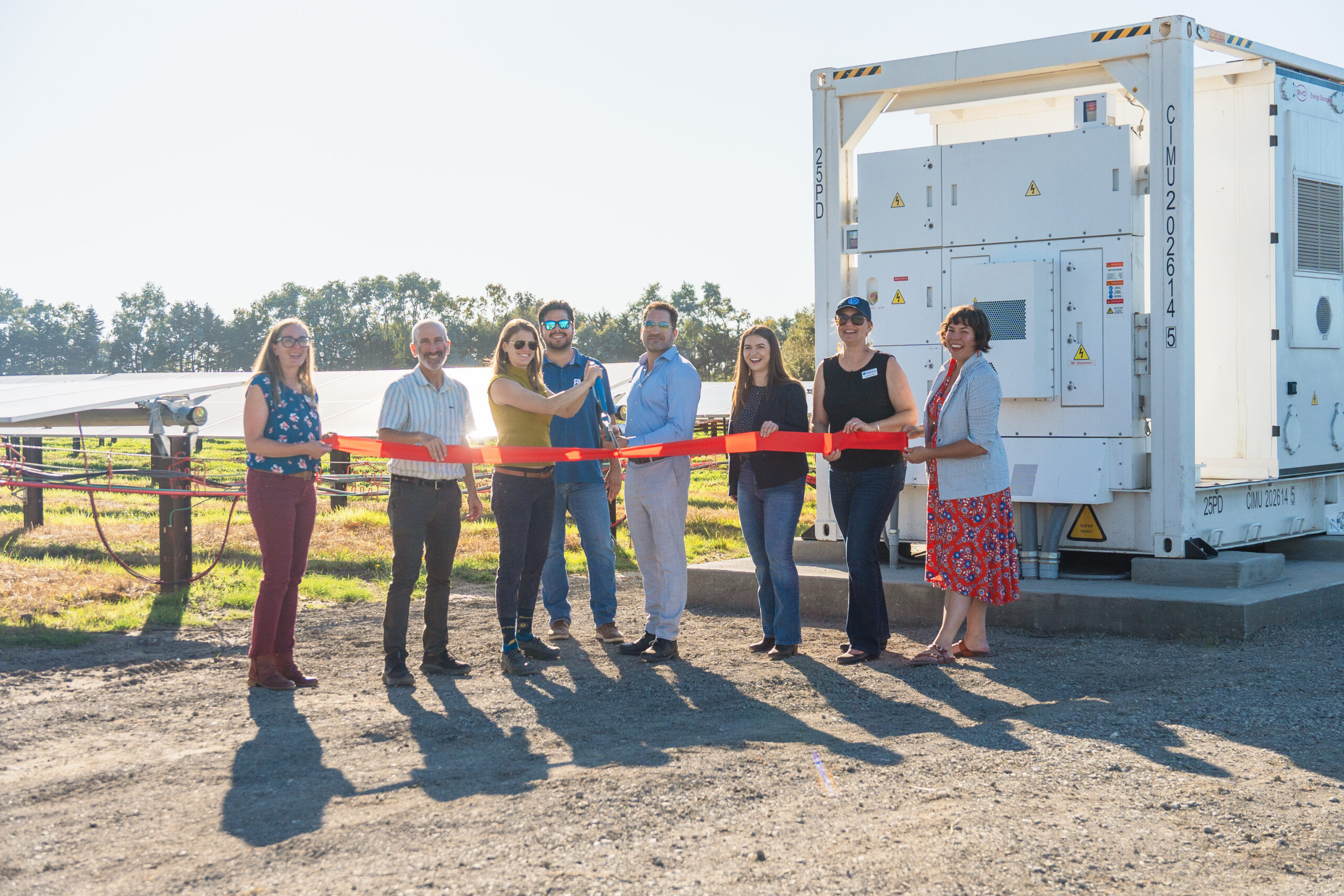
- Redwood Coast Energy Authority is enhancing grid stability through energy storage projects, including the Foster Clean Power initiative in Arcata.
- Large-scale battery systems are vital for balancing intermittent renewable energy sources like solar, enabling efficient energy use at peak times.
- Safety protocols for battery deployment have improved, ensuring compliance with updated standards to prevent incidents like the Moss Landing fire.
Enhancing Grid Stability with Energy Storage
As the Director of Power Resources at Redwood Coast Energy Authority (RCEA), Richard Engel reflects on nearly a decade of advancements in California’s electric industry, particularly the integration of large-scale energy storage systems. These systems, primarily batteries, play a crucial role in maintaining grid reliability, especially during high-demand periods in late summer.
Renewable energy sources such as solar and wind are essential for California’s clean energy transition, but their irregular output poses challenges. Solar energy is abundant during the day but not available at night, resulting in wasted potential when solar production exceeds demand. To mitigate this, RCEA has invested in energy storage projects that allow excess solar power to be stored for use later, thereby optimizing grid reliance.
Several successful projects illustrate RCEA’s strategy, including the Tierra Buena project in Sutter County, the Sandrini storage project in Kern County, and local microgrids like the Humboldt County airport and Foster Clean Power. These initiatives combine solar generation with energy storage to ensure that power is readily available during peak usage times.
Batteries serve multiple functions in the electric grid. Utility-scale battery systems enable energy shifting, allowing daytime solar power to be used in the evening when demand is highest. They can also participate in ancillary services, balancing grid frequency by absorbing or releasing power as needed. Home-scale systems like Tesla PowerWalls further capitalize on varying energy costs by storing power during low-cost periods for later use.
Battery technology also enhances grid resiliency, providing power during outages. The Humboldt County airport microgrid showcases this capability, maintaining operations and services even when the main grid fails.
Safety remains a priority as the deployment of battery technology scales up. Early utility-scale projects faced safety challenges, highlighted by a fire at the Moss Landing facility, leading to environmental contamination. In response, RCEA has adopted stringent safety protocols for new energy storage projects, ensuring compliance with advanced safety standards.
In summary, battery energy storage technologies are critical for a successful transition to clean energy. They help stabilize the grid while ensuring safety and reliability. RCEA’s ongoing investments and adherence to safety protocols illustrate the commitment to a sustainable energy future.
The content above is a summary. For more details, see the source article.









