


Key Takeaways
- The concept of smart cities focuses on sustainability and advanced technology integration.
- Jamil Ahmad from the UN Environment Programme outlines key features that define smart cities.
- Msheireb Downtown Doha is highlighted as a model for sustainable urban development.
The Concept of Smart Cities
In a recent episode of The Exchange, the discussion centered on smart cities, focusing on their defining features and sustainability aspects. Jamil Ahmad, the Director of Intergovernmental Affairs at the United Nations Environment Programme, shed light on what makes a city “smart.” He emphasized that smart cities combine technology and innovative planning to enhance urban living, aiming for efficiency, sustainability, and improved quality of life for residents.
Ahmad pointed out that smart cities utilize data and emerging technologies to streamline services like transportation, energy management, and waste reduction. These cities prioritize environmental sustainability, integrating green spaces and renewable energy sources to create a balanced urban ecosystem. By implementing intelligent systems, authorities can respond more effectively to the needs of their populations while fostering a more resilient infrastructure.
A noteworthy case study discussed in the episode is Msheireb Downtown Doha, which has been transformed into a sustainable smart city. Mohamed Elashi interviewed the CEO of Msheireb Properties, who outlined the various initiatives that contributed to this transformation. The project focuses on eco-friendly architecture and urban planning that respects the local heritage while embracing modern technology.
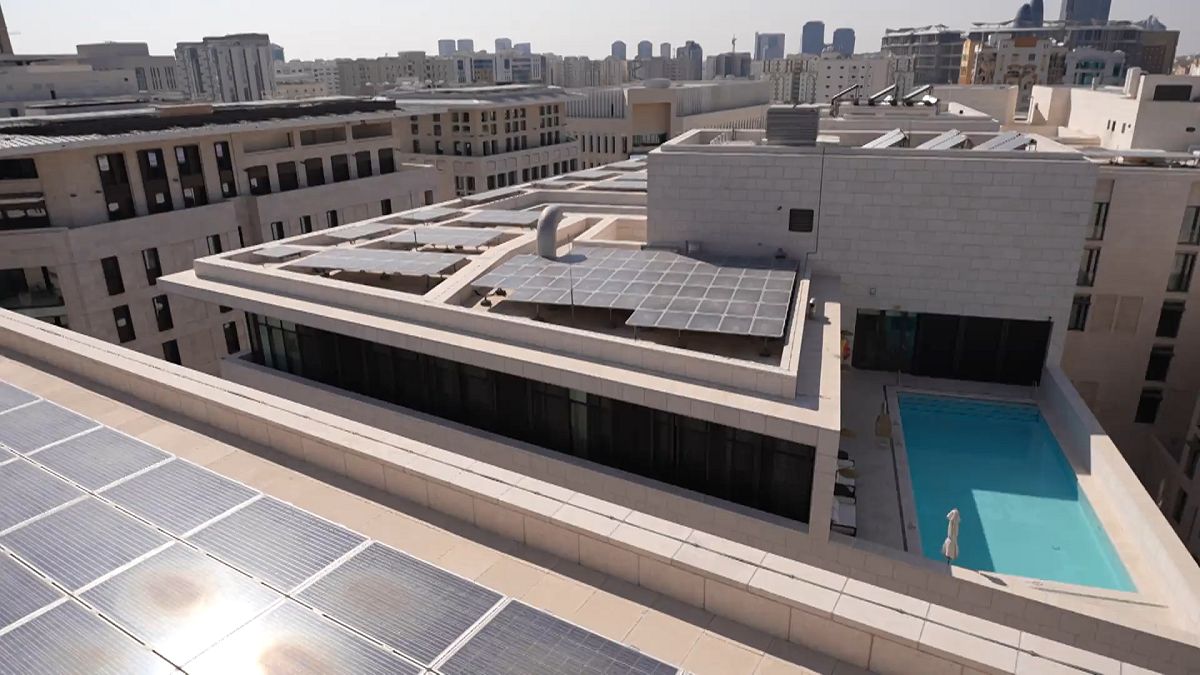
Msheireb Downtown Doha exemplifies how smart city initiatives can contribute to sustainability. The development features solar-powered systems, efficient waste management, and smart traffic solutions aimed at reducing congestion. This innovative approach not only improves the quality of life for its residents but also sets a precedent for future urban developments, both in Qatar and globally.
The initiative is part of a broader trend where cities worldwide are increasingly adopting smart city principles. Utilizing technology to enhance public services can lead to transformative impacts on economic growth, environmental efficiency, and societal well-being. Urban planners and local governments are encouraged to look at existing models like Msheireb Downtown Doha as benchmarks for their own smart city initiatives.
In summary, the dialogue on smart cities continues to evolve, with experts highlighting their potential to address urban challenges. The insights shared by Jamil Ahmad and the example of Msheireb Downtown Doha emphasize the importance of collaboration, innovation, and sustainability in shaping the cities of the future.
The content above is a summary. For more details, see the source article.









