


Key Takeaways
- Trump’s administration halted the Empire Wind 1 project, which would provide energy for 500,000 New York homes.
- Concerns surrounding wind power technology have been addressed through extensive research and testing.
- New York’s energy supply relies heavily on natural gas and imports, highlighting the need for diverse renewable sources.
The recent halt of the Empire Wind 1 project, expected to generate 810 megawatts off Long Island, has raised significant concerns about the future of renewable energy in the U.S. Issued by the Trump administration after declaring a national energy emergency, this stop-work order affects a project already under construction by Norwegian energy giant Equinor, aimed at helping New York achieve its goal of 9 gigawatts of offshore wind power by 2035.
While Trump emphasized the need for increased energy sources for America, the exclusion of offshore wind power contradicts the commitment to diverse energy options. The administration’s doubts regarding the efficacy and safety of wind power have been convincingly countered by years of research and operational data showing its viability compared to fossil fuels.
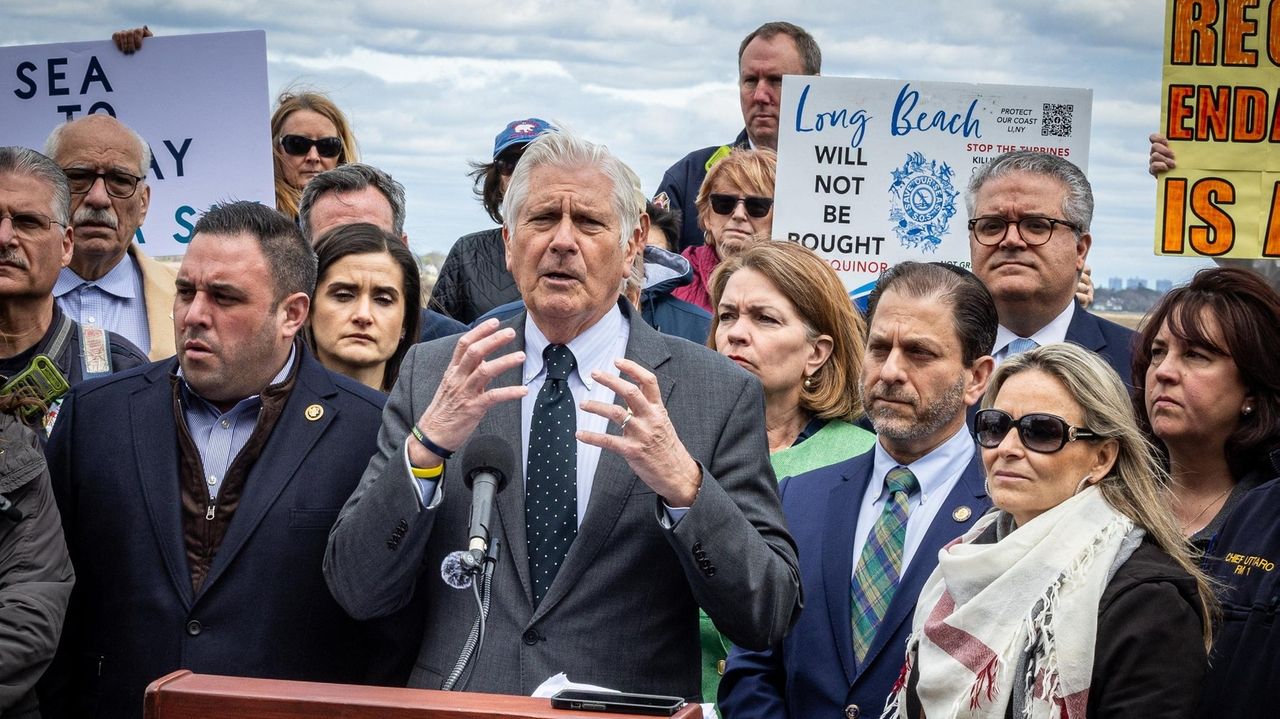
In a recent controversy, Nassau County Executive Bruce Blakeman alleged flaws in the permitting process of the Empire Wind project during a press conference, questioning its legitimacy. However, existing offshore wind projects like the South Fork Wind Farm and Sunrise Wind indicate that Long Island is capable of successfully integrating wind energy into its grid.
The call for a review of the Empire Wind project should be expedited, as offshore wind technology is well-established. America’s energy independence is crucial and should not be subject to shifting political winds, especially as fossil fuel dependency should be mitigated. Trump’s executive order points to an “inadequate energy supply,” despite the country being a leading oil producer. Continued delays in major renewable projects like Empire Wind 1 threaten their feasibility and can result in job losses.
In New York, where over 80% of electrical supply is imported, a diversified approach is critical. Presently, natural gas accounts for nearly half of the state’s electricity generation, while wind contributes only about 3.9%. Reports from energy experts underline that the grid should be better diversified, as evidenced during recent discussions about the energy futures at public forums.
The administration’s rationale to stop Empire Wind 1, citing rushed approvals, fails to recognize that the permitting process was thoroughly examined and approved during Trump’s previous term. It prompts a larger question about the commitment of federal governance to renewable energy: will it support the evolution into cleaner technologies or retreat to more polluting practices reminiscent of the past?
With pressing needs for power and pollution reduction, the path toward increased reliance on renewable energy sources must be embraced, as denial of climate issues won’t lead to effective solutions.
The content above is a summary. For more details, see the source article.









