


Key Takeaways
- Renewable energy contributed 26% to the US electricity generation in 2025, enough to power 108 million homes.
- Despite Trump administration’s support for fossil fuels, renewables are the most cost-competitive energy source in the US.
- Legal challenges continue to impact renewable energy policies, highlighting a complex relationship between domestic policy and energy transition.
Renewable Energy’s Resilience Amid Policy Challenges
Since taking office in 2025, Donald Trump has prioritized fossil fuel production, yet renewable energy generation in the US has seen significant growth. In 2025, 26% of the nation’s electricity was sourced from renewables, sufficient for 108 million homes, and renewable sources represented 33.2% of utility-scale energy capacity.
According to forecasts from the US Energy Information Administration (EIA), this trend is expected to continue, with 93% of new energy capacity additions this year anticipated to come from solar, wind, and batteries. This shift reflects a broader trend toward renewables, with coal production decreasing by 53% between 2000 and 2024.
The decline in costs associated with solar cells, wind turbines, and large batteries is driving this sustained growth. Renewables have become the most cost-effective energy generation method in the US, with solar farms being deployable in under a year, in contrast to several years for natural gas plants.
Calls for accelerating the move away from fossil fuels have intensified in light of the ongoing US-Israeli conflict in Iran, which has resulted in unprecedented oil prices and disrupted shipping channels. Unlike fossil fuels, renewable energy is less vulnerable to geopolitical fluctuations. However, current international unrest poses challenges for the clean energy transition, including transport interruptions for essential metals used in solar panel production.
While electricity consumption is on the rise—mainly due to increasing demand from data centers—Trump’s fossil fuel-centric policies may hinder renewable growth. Analysts predict that natural gas will likely meet much of the new demand for electricity.
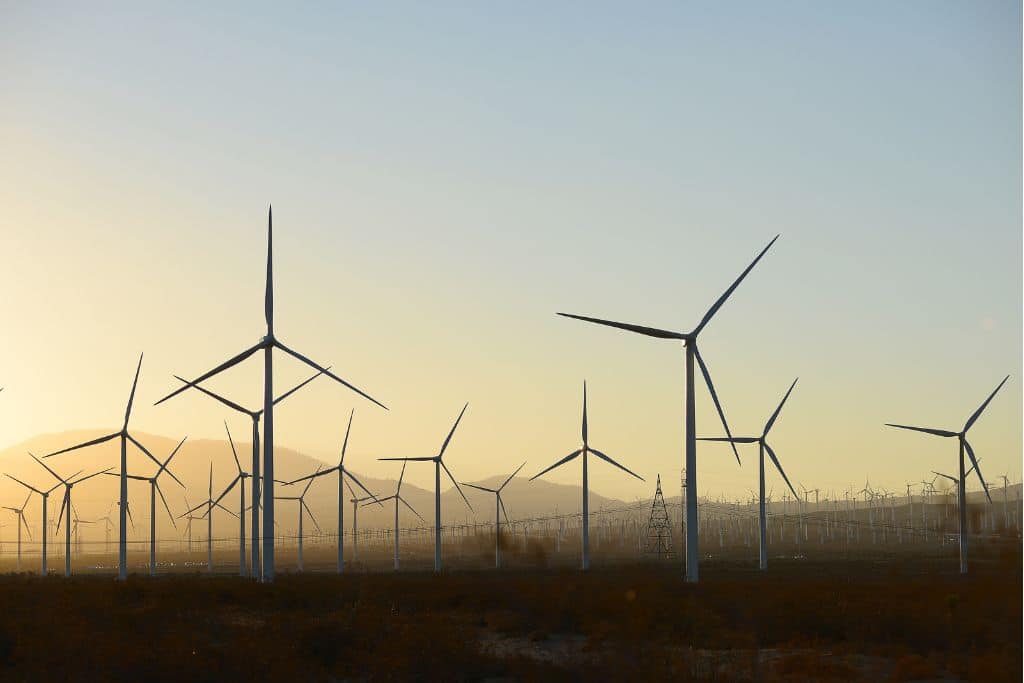
The Trump administration has curtailed support for wind energy, reflecting Trump’s long-standing grievances with wind projects. His administration has made unsubstantiated claims about wind energy’s safety and cost, resulting in measures that hamper wind energy expansion, including a $1 billion reimbursement to TotalEnergies to drop offshore wind plans.
Despite these setbacks, several legal challenges have emerged. A Massachusetts district court recently overturned a ban on new wind energy permits, deeming it arbitrary, and numerous halted projects have been successfully contested. Additionally, a federal judge ruled against the cancellation of $7.5 billion in clean energy grants targeting Democratic states.
As the energy landscape evolves, the critical question facing the US is not whether renewable energy will expand, but how quickly this transition can occur amidst varying domestic policies.
The content above is a summary. For more details, see the source article.









