


Key Takeaways
- The new Google Home Speaker has a fixed power cable, which may frustrate users accustomed to removable options.
- Positive features include good sound quality, a user-friendly app interface, and quick setup.
- Initial reactions are mixed, with many expressing disappointment over the non-removable power cable.
Design Reveal and User Reactions
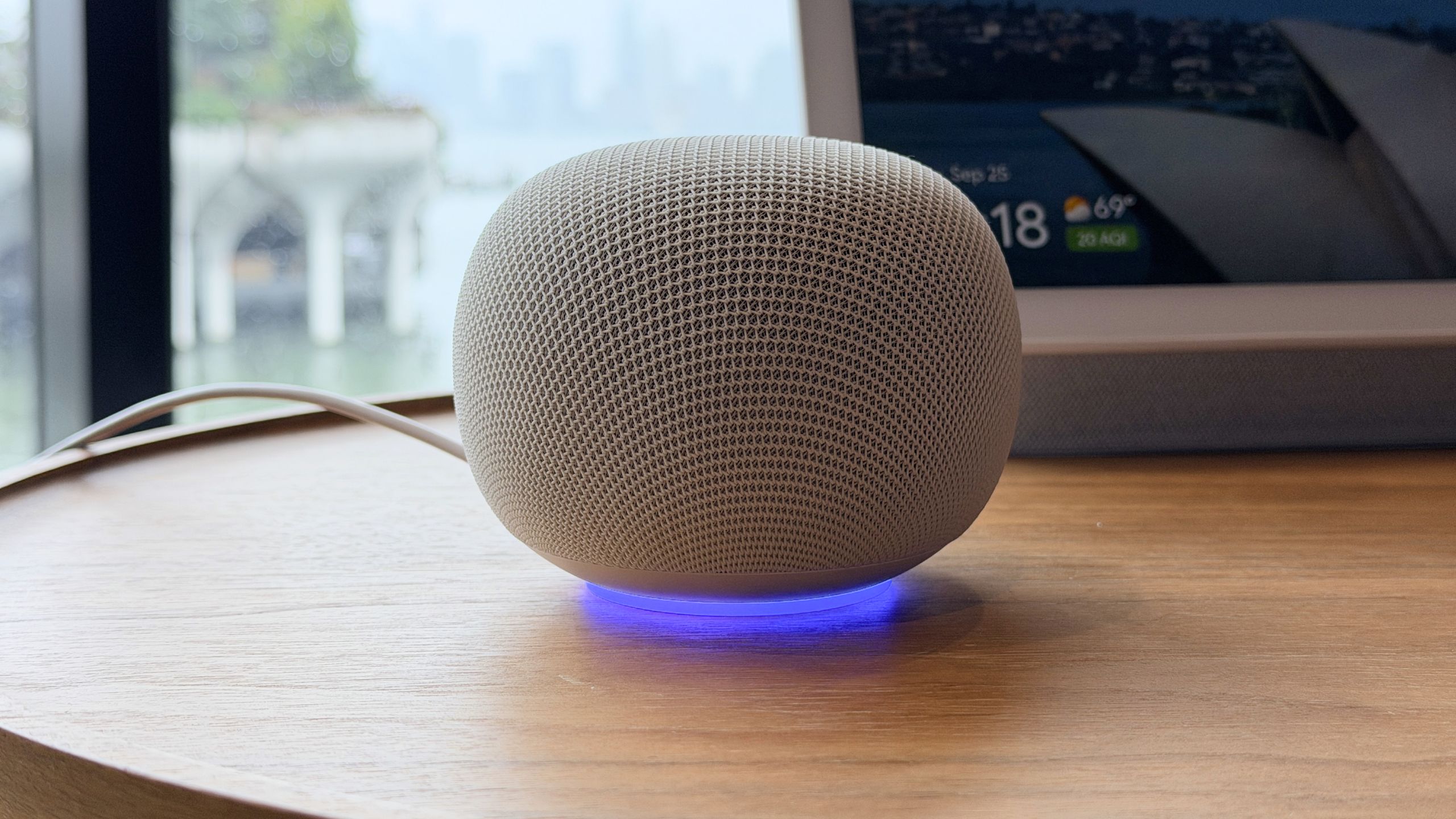
The Google Home Speaker is set to launch soon, but an early unboxing video has highlighted a controversial design choice: the power cable is non-removable. This detail has drawn concern from potential users, particularly those who prefer more flexibility with their smart devices.
The unboxing, which surfaced on Reddit via Android Authority, showcases the speaker’s aesthetics that were initially revealed last October. In comparison, the previous Nest Mini model featured a removable USB-C power cable, allowing for easier storage when not in use. In contrast, the now-discontinued Nest Audio also had a fixed power cable.
Reactions to the design choice have been notably critical. One user noted, “This is a nightmare for repairability,” emphasizing a desire for fixable and more sustainable devices. Another user lamented, “The non-removable cord killed it for me,” expressing concerns about pets interacting with the cord. Overall, many comments reflect a disappointment in the decision by Google engineers, suggesting financial motivations behind this feature.
Despite the cable issue, other aspects of the Google Home Speaker received positive feedback. The sound quality was described as good, and the app interface was praised for its sleek design. Users reported that setup was straightforward, taking less than 10 minutes. Additionally, like the Nest Mini, the Google Home Speaker features touch controls and hidden lights that indicate its status and volume.
While the initial impressions of the speaker are largely positive in terms of functionality and ease of use, the fixed power cable remains a significant sticking point for many potential buyers.
The content above is a summary. For more details, see the source article.









