Key Takeaways
- ESA’s Proba-3 mission successfully launched from Sriharikota, India.
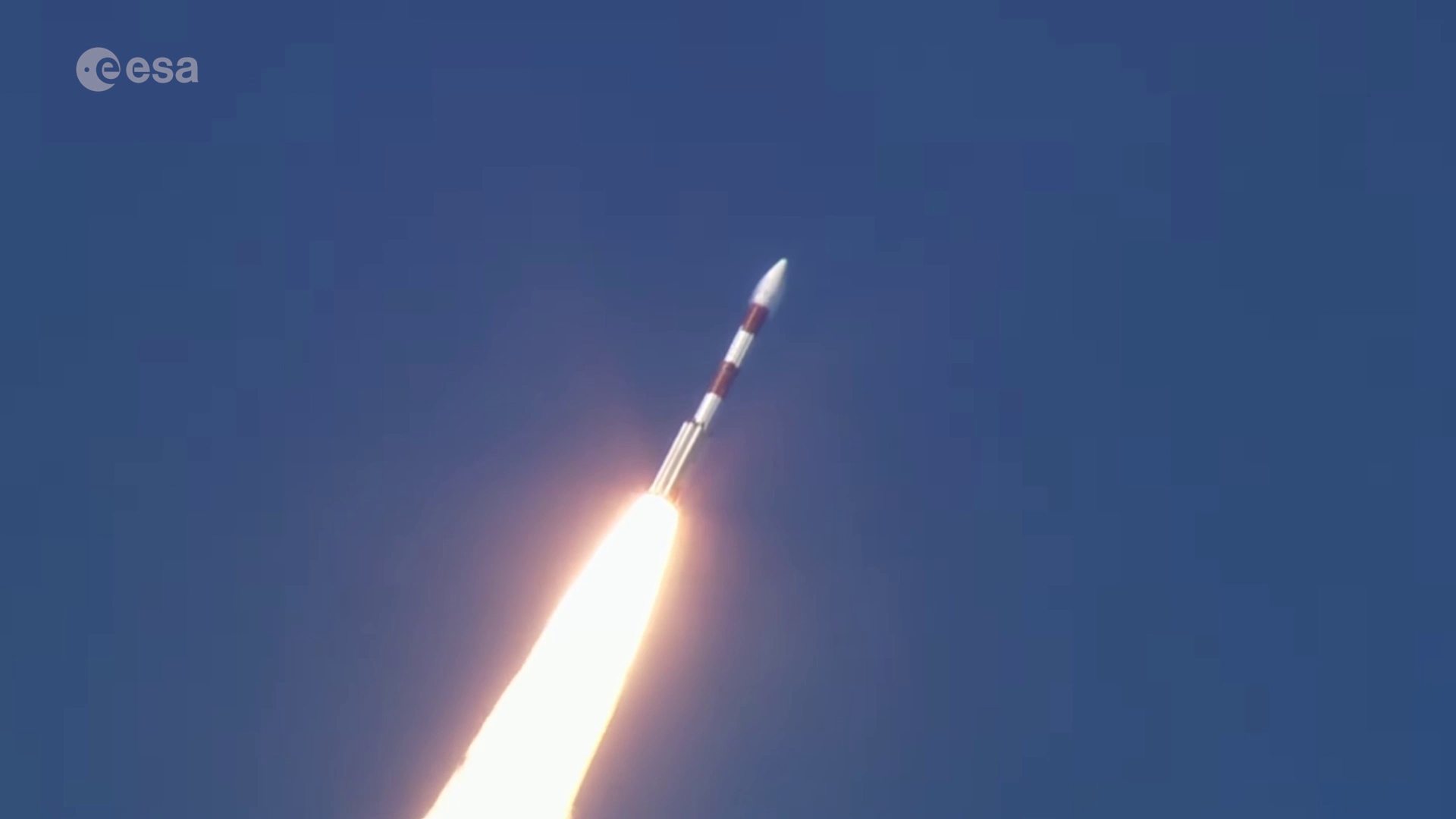
- The PSLV-XL rocket took off on December 5 at 11:34 CET.
- This mission is set to advance technology in formation flying and space observatories.
Launch of ESA’s Proba-3 Mission
The European Space Agency (ESA) has successfully launched its Proba-3 mission, demonstrating advanced space technology through the use of formation flying. The mission took place on December 5 from the Satish Dhawan Space Centre in Sriharikota, India. It utilized a PSLV-XL rocket, which lifted off at 11:34 CET, or 10:34 GMT. The launch signifies a significant step for ESA as it aims to develop and refine techniques for future space missions, particularly in the areas of precise formation flying and cooperative satellite observation.
Proba-3 involves two spacecraft that will fly in formation, a concept that could fundamentally change how future missions are conducted. This innovative approach enables a new level of precision in space operations, allowing for coordinated observations of celestial objects and enhancing the overall scientific output of missions. The success of the Proba-3 launch is anticipated to pave the way for future missions that require such technology, potentially transforming how agencies explore and monitor space.
The mission is not only a milestone for ESA but also highlights the increasing global collaboration in space exploration and advanced technology development. With the growing importance of space-based observations for both scientific research and practical applications, initiatives like Proba-3 are crucial in pushing the boundaries of current capabilities. Observers eagerly await the results and advancements that this mission will bring to the space exploration community.
The content above is a summary. For more details, see the source article.