

Key Takeaways
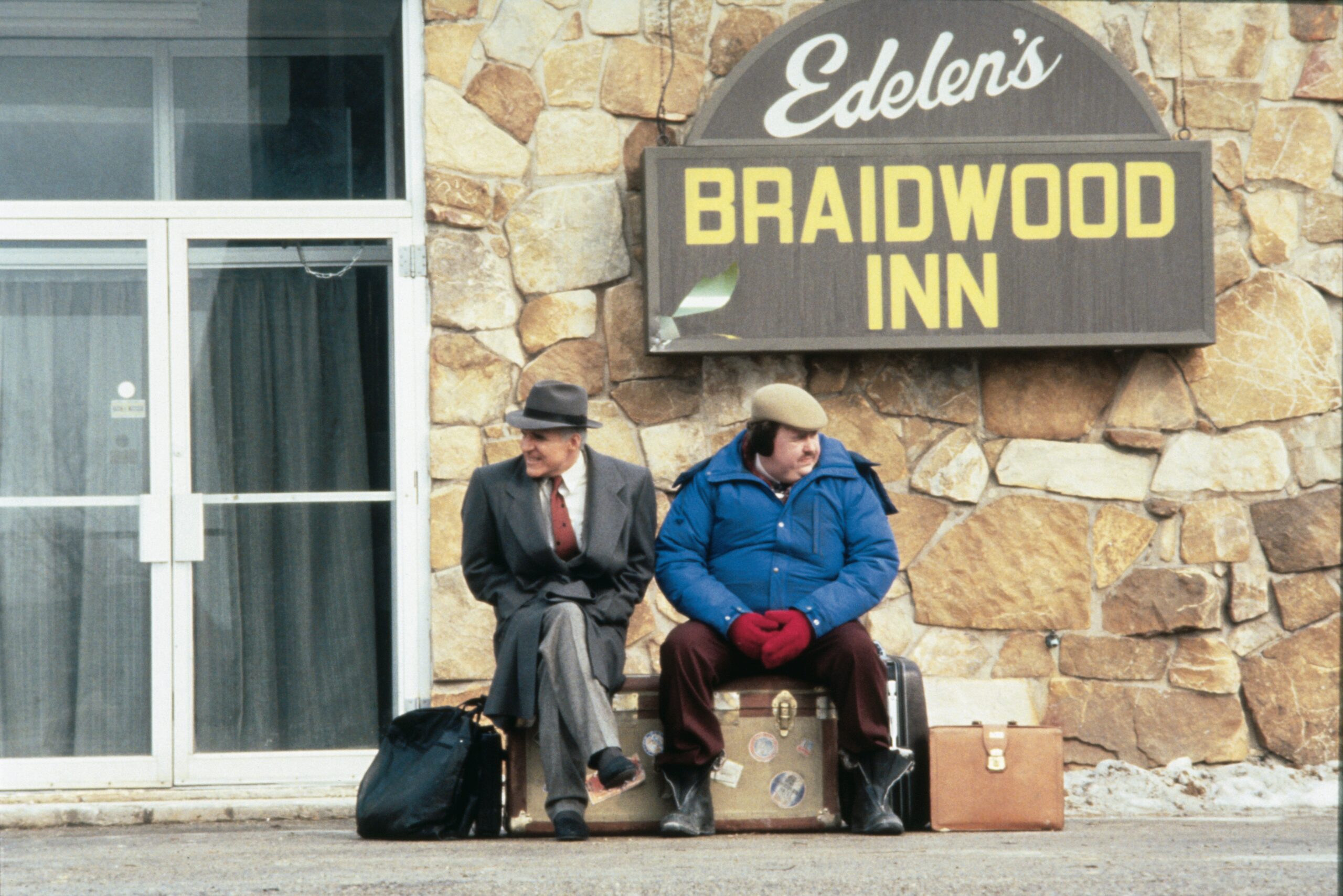
- “Planes, Trains and Automobiles,” directed by John Hughes, is a Thanksgiving classic featuring Steve Martin and John Candy.
- The film’s charm lies in the dynamic between the uptight Neal Page and the affable Del Griffith amid a series of travel mishaps.
- Ultimately, it conveys poignant themes about kindness and the importance of relationships during the holiday season.
The Heart of the Journey
“Planes, Trains and Automobiles,” released in 1987, marks John Hughes’ first film departing from his usual focus on teenagers. The film follows advertising executive Neal Page (Steve Martin) as he attempts to reach his family in Chicago for Thanksgiving. Aimed to be a feel-good holiday movie, it features strong performances and an engaging storyline that transcends typical holiday fare.
Neal Page is depicted as cynical and self-centered, prioritizing only his family and his own ambitions. His journey takes an unexpected turn when he encounters Del Griffith (John Candy), a talkative shower curtain ring salesman whose good-natured disposition stands in stark contrast to Neal’s grumpiness. Their mismatched personalities create a comedic tension filled with frustration and irony.
The film kicks off when Del steals Neal’s cab during heavy New York City traffic, setting the stage for a turbulent travel adventure. They ultimately find themselves sharing a flight which is soon grounded due to a snowstorm. From this point, their misadventures escalate, leading to comedic yet chaotic scenarios, including a disastrous cab ride, sharing a hotel room, and even Del’s off-key rendition of “Meet the Flintstones.”
As events unfold, the film risks feeling repetitive, lost in a series of travel failures. However, what stands out is the emotional depth brought to the characters by the incomparable comedic talents of Martin and Candy. The film’s most poignant moment occurs when Neal lashes out at Del, revealing the latter’s vulnerability. This scene resonates differently at various stages of life, transforming from a moment of humor to a heart-wrenching display of discouragement.
Despite the comedic misadventures, “Planes, Trains and Automobiles” encapsulates deeper themes of compassion and acceptance. By the end, after experiencing the consequences of his harsh words and sentiments, Neal undergoes significant character development. He invites Del to join him for Thanksgiving, underscoring the importance of compassion and the need for connection.
The film ends on a reflective note about the Thanksgiving spirit, reminding viewers that irrespective of conflicts, everyone deserves kindness and a loving refuge during the holidays. Available for streaming on Paramount+, Hulu, and Amazon Prime, “Planes, Trains and Automobiles” continues to resonate as a holiday staple, inviting viewers to appreciate companionship and gratitude.
The content above is a summary. For more details, see the source article.