Key Takeaways
- Researchers advocate for a new UN sustainable development goal to address increasing space debris and its risks.
- Over 10,000 active satellites now orbit the Earth, with significant contributions from companies like SpaceX.
- Successful action against space junk hinges on cooperation with major private space entities, notably SpaceX and its founder, Elon Musk.
Growing Concerns Over Space Debris
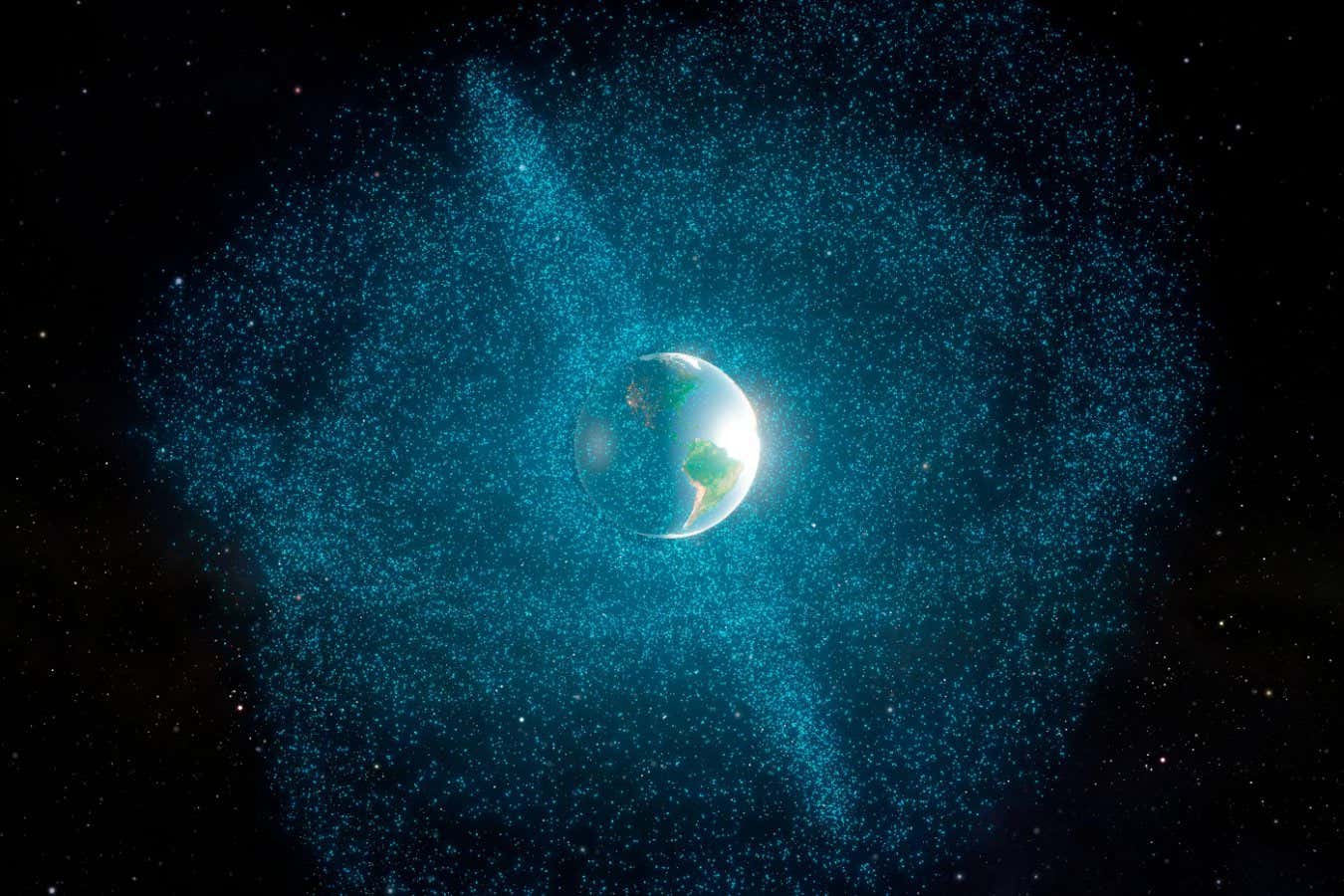
The issue of space debris poses an escalating threat to the safety of Earth’s orbit, prompting a group of researchers to urge the United Nations to implement stronger measures towards its protection. In their article published in the journal One Earth, these researchers advocate for a worldwide agreement that emphasizes safeguarding space, highlighting that existing frameworks, like the 1967 UN Outer Space Treaty, are inadequate.
The team suggests the addition of an 18th sustainable development goal (SDG) to the UN’s current 17 objectives, focused on ensuring the responsible use of orbital resources. Heather Koldewey, a researcher affiliated with the Zoological Society of London, asserts that while the existing goals aim for a sustainable future, space protection remains unaddressed. The proposed SDG would encompass commitments such as the removal of defunct satellites and rockets from orbit to mitigate collision risks and reduce the creation of new debris. Koldewey warns against the long-term environmental challenges presented by space junk, paralleling it with the difficulties of ocean debris cleanup.
The dramatic increase in satellite numbers—rising from fewer than 3,000 in 2020 to over 10,000—largely stems from SpaceX’s Starlink constellation, which accounts for around 7,000 of these satellites. Other companies and nations are also planning extensive satellite deployments. This surge, together with numerous inactive rockets and countless small debris fragments, underscores the urgent need for international action on space junk.
Christopher Newman, a space law expert at Northumbria University, emphasizes the importance of raising awareness about space debris, indicating that inclusion in the SDGs could enhance global recognition of the issue. However, he notes that actual implementation poses significant challenges, questioning the impact of an 18th SDG without actionable commitments from countries involved.
Hugh Lewis, a space debris authority from the University of Southampton, concurs that establishing a space-focused SDG would be beneficial, yet reminds that many mechanisms already exist to handle space debris. These include the UN’s long-term sustainability goals for outer space, as well as localized actions like new regulations from the US Federal Communications Commission mandating the removal of non-functional satellites within five years.
Despite existing initiatives, doubts linger regarding the effectiveness of the current SDGs. The UN recently reported that only a fifth of the established targets are progressing as planned. Additionally, achieving any meaningful progress in space governance heavily relies on collaboration with key private sector players, particularly SpaceX. Newman highlights that discussions surrounding space management can no longer focus solely on nation-states, hinting at the necessity of including significant commercial entities in the conversation.
Overall, while the call for a dedicated SDG on space debris reflects an increasing urgency to address orbital pollution, effective environmental governance in space will require extensive international cooperation and commitment, particularly from influential private space organizations.
The content above is a summary. For more details, see the source article.