


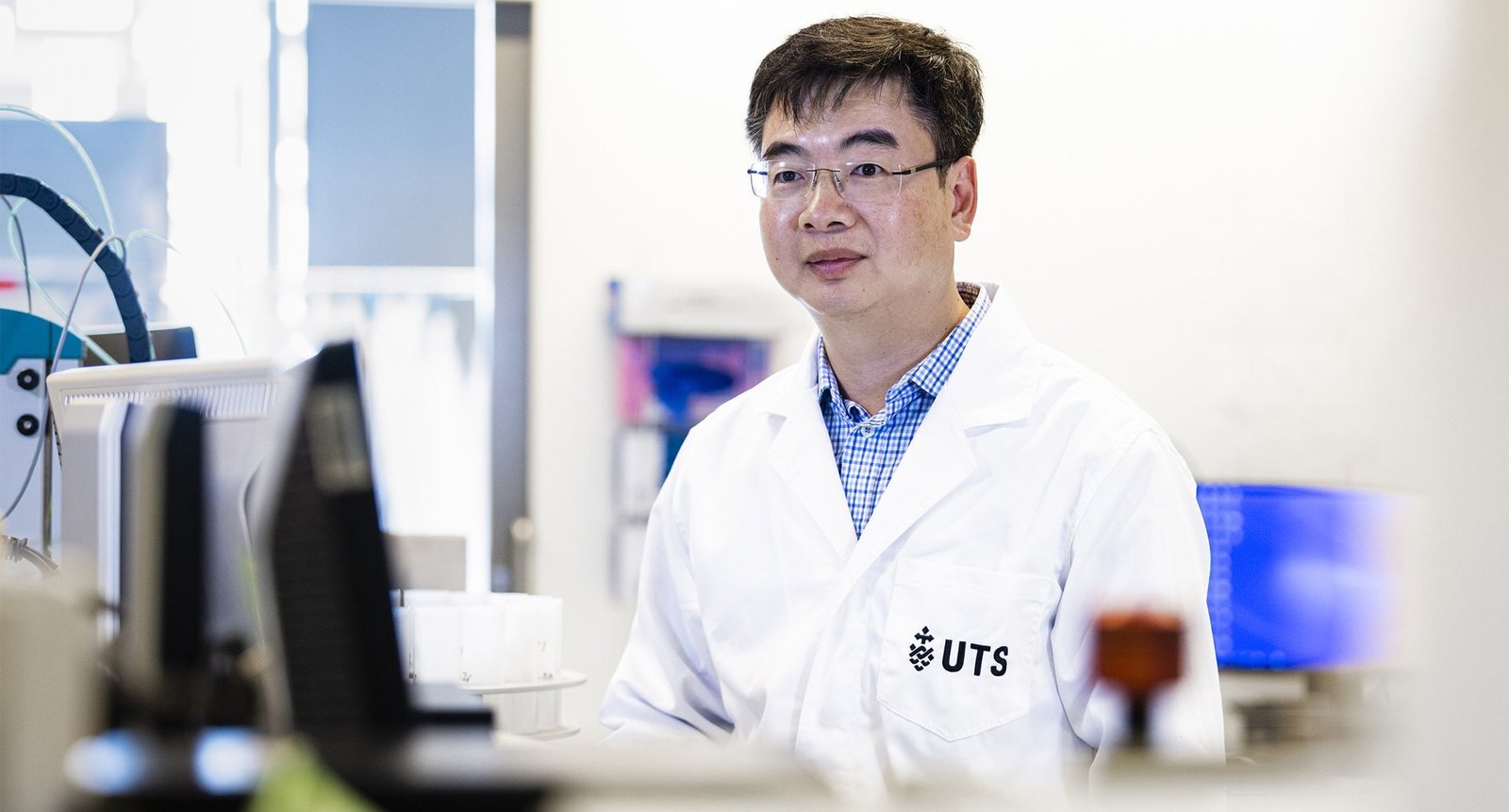
Key Takeaways
- Professor Long Nghiem’s team at UTS is developing catalytic technology to recycle wastewater in semiconductor manufacturing.
- The technology targets and breaks down toxic chemicals like hydrogen peroxide and triazole, essential for microchip production.
- Collaborations with major chip makers aim to enhance water recycling efficiency and reduce operational costs.
Innovative Water Recycling Technology in Semiconductor Manufacturing
Semiconductor manufacturing relies heavily on purified water, consuming vast quantities to maintain cleanliness and remove impurities. For instance, Taiwan’s TSMC, the largest semiconductor manufacturer globally, utilizes approximately three billion metric tons of water daily—three times more than Sydney’s entire water supply.
Recognizing the need for sustainable practices, Professor Long Nghiem, Director of the UTS Center for Technology in Water and Wastewater, is leading efforts to enable the industry to recycle at least 90% of its water usage. With the increasing demand for microchips, especially for artificial intelligence applications, the imperative to enhance water recycling has never been clearer. Microchip production involves over 100 specialty chemicals that contaminate water, with hydrogen peroxide and triazole being two of the most concerning due to their toxicity and persistence in the environment.
Working with the Australian water tech firm Infinite Water International (IWI), Professor Nghiem and Associate Professor Cuong Ton-That have designed a catalytic technology that effectively targeting these harmful pollutants. Rather than filtering, the innovative method employs a catalytic process utilizing oxidation agents to decompose the contaminants. This is achieved through a plug-and-play unit that integrates within existing wastewater infrastructures, treating contaminated water to ensure its safety for recycling or disposal.
Traditional wastewater treatment processes in microchip manufacturing have remained largely unchanged for nearly a century. This new technology aims not to overhaul established systems but to enhance them, making recycling more efficient and cost-effective. Matthew Ng, the Founder and CEO of IWI Australia, notes that water usage and recycling can consume over 10% of the capital expenditure for advanced semiconductor fabrication facilities, translating to potential savings worth billions of dollars.
The collaboration between IWI Australia and major logic chip manufacturers is focused on evaluating the efficacy of this technology in their wastewater operations. By significantly reducing costs associated with removing specialized chemicals, semiconductor companies can improve water recycling efforts and safely discharge excess wastewater.
The patented catalytic process has already shown promising results, particularly in removing high concentrations of hydrogen peroxide within minutes. A separate patent application for triazole destruction is underway, demonstrating the ability to degrade up to 90% of this pollutant in about an hour, showcasing a simple yet effective method for enhancing sustainability in semiconductor manufacturing.
This innovation not only addresses the industry’s pressing water challenges but also represents a substantial leap towards environmentally responsible practices in a sector where every drop counts.
The content above is a summary. For more details, see the source article.









