


Key Takeaways
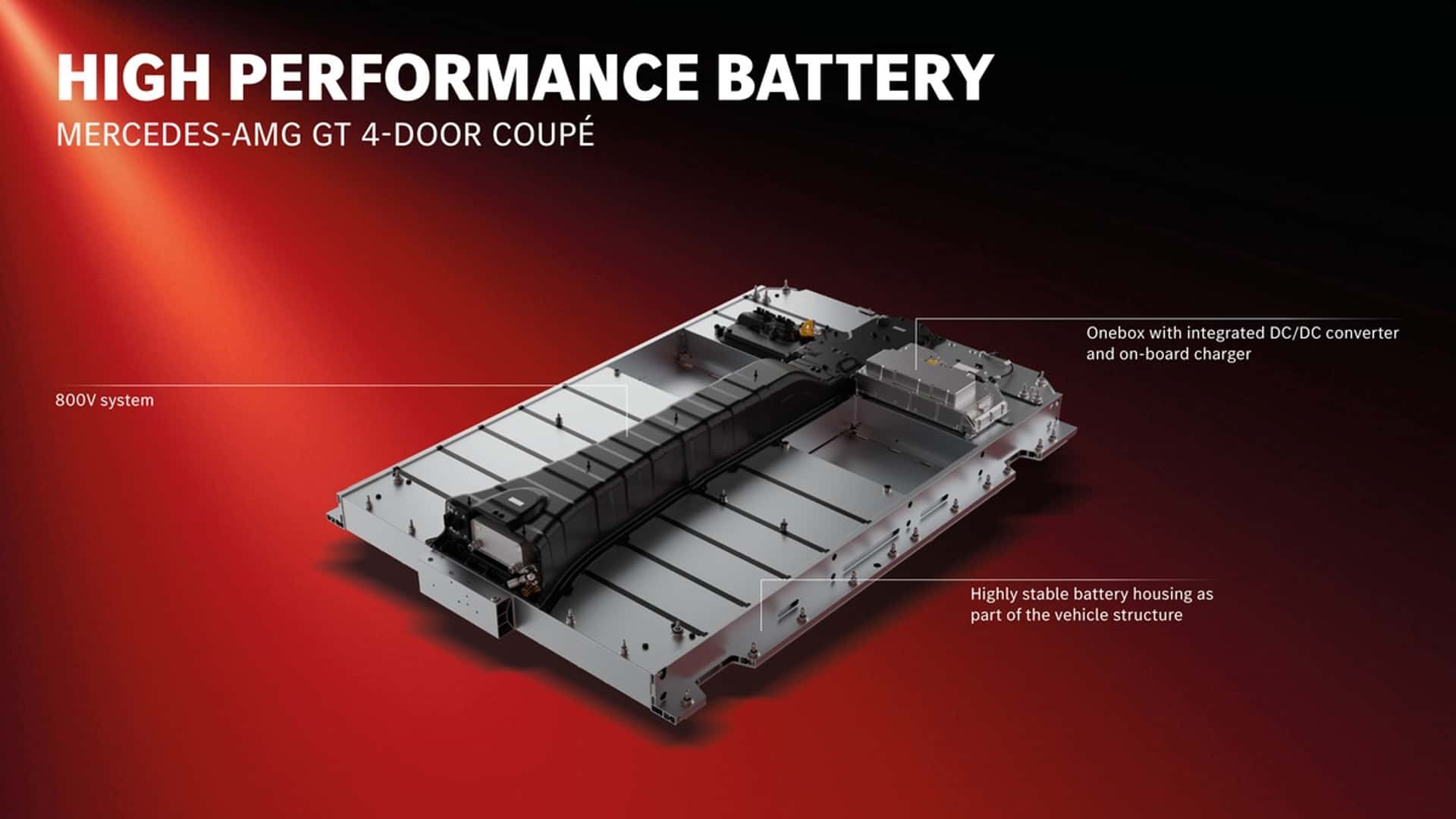
- Silicon anodes improve EV charging speeds, achieving 10-80% charge in just 11 minutes for the Mercedes-AMG GT.
- The car features a 106 kWh battery, providing a range of up to 700 kilometers (434 miles) on the European WLTP cycle.
- Innovative cooling systems enhance battery performance and longevity, with a significant reduction in heat management compared to standard EV battery systems.
Innovations in Electric Vehicle Battery Technology
The automotive industry is undergoing a transformative shift with the introduction of silicon anodes in electric vehicle (EV) batteries, promising faster charging times and improved performance. The Mercedes-AMG GT 4-Door Coupe is at the forefront of this innovation, showcasing how advanced battery technology can revolutionize EV charging capabilities.
With a robust battery capacity of 106 kWh, the AMG GT can cover up to 700 km (434 miles) on the European WLTP test cycle. This translates to over 300 miles under the stricter U.S. EPA standards. What sets it apart is its remarkable charging speed; the AMG GT is anticipated to be the fastest-charging EV in the U.S., capable of charging from 10% to 80% in just 11 minutes.
Central to this impressive performance is the integration of silicon anodes, which offer superior energy storage and charging efficiency compared to traditional graphite anodes. As automakers seek to reduce dependency on graphite due to supply chain issues and environmental concerns, shifting towards silicon-graphite blends is seen as a transitional strategy. The long-term goal for many manufacturers, including Mercedes, is to eventually develop 100% silicon anodes.
The AMG GT’s silicon-intensive battery achieves a high energy density of 298 watt-hours per kilogram, one of the best in the current market for automotive-grade lithium-ion cells. This is coupled with a cathode made from nickel, cobalt, manganese, and aluminum (NCMA), enhancing both the range and energy density. This combination allows the vehicle to support a peak charging power of 600 kW, replenishing nearly 250 miles of EPA range in just 10 minutes.
Furthermore, Mercedes-AMG has equipped the AMG GT with an advanced cooling system designed to manage the intense heat generated during rapid charging and high performance. Utilizing slim cylindrical cells, the design reduces the distance for heat dissipation. Each of the 2,660 individual cells is encased in laser-welded aluminum, facilitating quicker temperature regulation.
A unique “on-demand cooling” feature allows selective cooling of specific battery modules based on temperature variances, avoiding unnecessary energy waste. The cooling system comprises an advanced coolant pump, an oil-water heat exchanger, and a centralized coolant hub that enhances the efficiency of heat removal, achieving up to 20 kW of heat dissipation—significantly more than the typical 5-8 kW found in standard EV thermal management systems.
While the specifications and innovations are impressive on paper, the true test will come once the AMG GT is on the road. Time will reveal whether this advanced battery technology can deliver sustained performance with minimal degradation. Ultimately, the hope is that such innovations can transition from high-end models to mass-market vehicles, making rapid charging a standard feature rather than a luxury.
The content above is a summary. For more details, see the source article.









