

Key Takeaways
- BMW is transitioning its manufacturing operations toward electric vehicles (EVs), investing heavily in battery technology and infrastructure to support this shift.
- The company plans to produce new EV models, including an electric 3 Series sedan for the U.S., with manufacturing sites in Europe and local battery production in South Carolina.
- Amid global supply chain challenges, BMW is focusing on regional production and resilience, emphasizing a “local-for-local” strategy to meet market demands.
Bavaria’s Manufacturing Shift
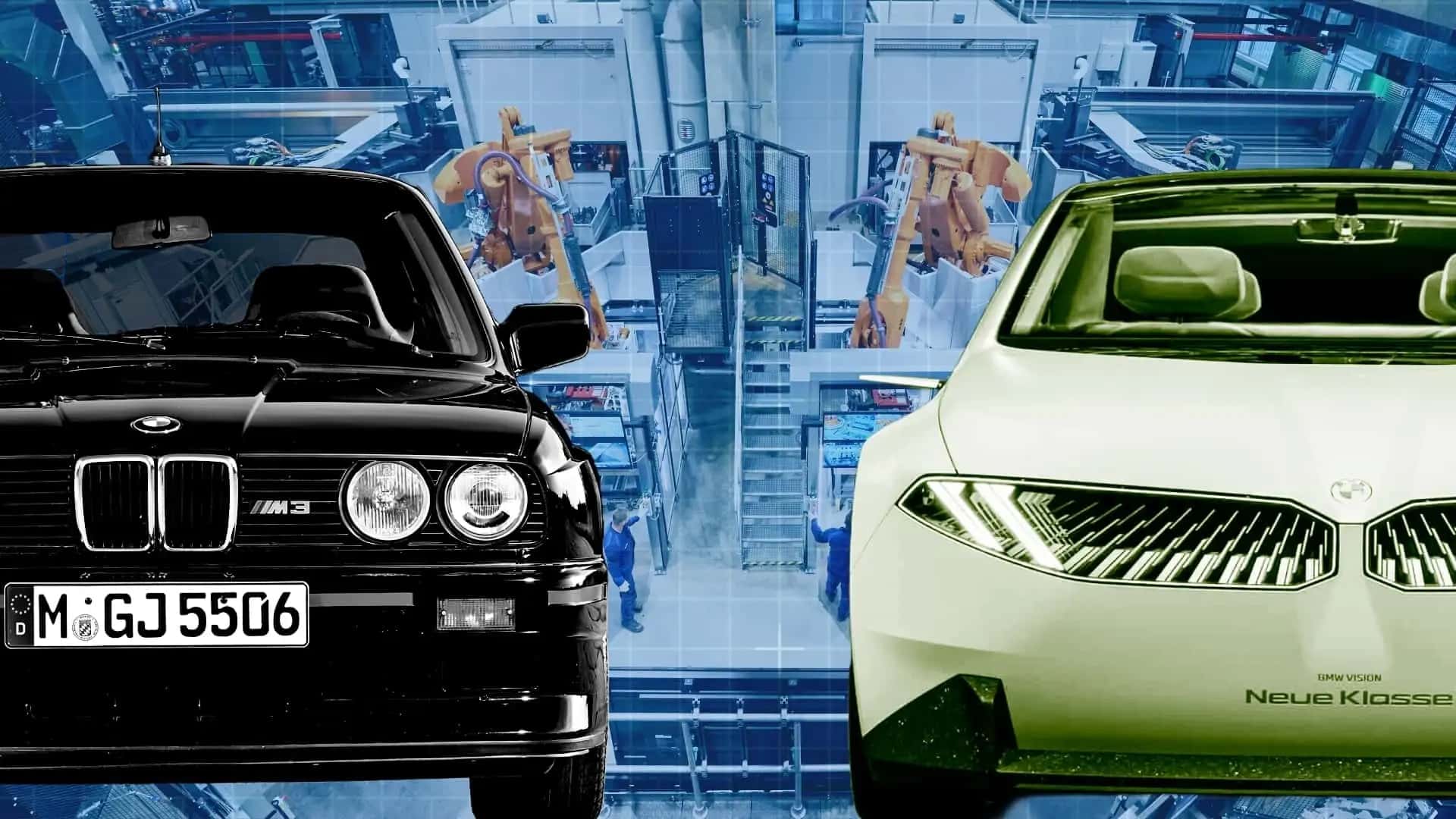
BMW has embarked on a substantial transformation of its production strategy, moving toward electric vehicles (EVs) as it celebrates over a century of producing iconic performance cars in Bavaria. This shift involves significant investments in battery technology, electric motors, and infrastructure, all aimed at ensuring the automaker’s competitiveness and profitability throughout the next century.
At recent Tech Day events in Munich, BMW detailed its “Energy Master” battery cells and innovative motors that will power its forthcoming Neue Klasse electric vehicles. The shift reflects the company’s commitment to electrification, especially in a climate where some sectors are resistant to change. Despite being a smaller player compared to giants like Audi and Mercedes, BMW’s dedication to EV technology is commendable.
Through a series of initiatives, BMW is modernizing its factories globally. This includes not just developing advanced battery technology but also implementing lessons learned from the tech sector. For instance, live training simulations using gaming platforms like Unreal Engine are being used to upskill employees without disrupting ongoing production.
Battery Technology Innovations
Following pandemic-induced supply chain challenges, automakers, including BMW, are reengineering how they deliver electric vehicles and their battery systems to market. In the U.S. alone, over $112 billion has been invested in electrification projects, with efforts focused on reducing reliance on heavy metals through the development of innovative battery technologies.
In addition, BMW’s 16,000-square-foot Cell Manufacturing Competence Center (CMCC) in Parsdorf is a key facility for testing and producing new battery types, including future designs that will power the Neue Klasse vehicles. This center works closely with academic institutions to stay at the forefront of battery technology, and it includes a Cell Recycling Competence Center dedicated to creating a sustainable and circular battery system.
While some manufacturers are considering in-house battery production, BMW instead aims to collaborate with external vendors, developing robust technology that meets its rigorous standards. The company’s “local-for-local” strategy facilitates producing advanced battery technology at plants such as the upcoming $700 million facility in South Carolina, which is set to support the production of new electric models.
Modernizing Production Lines
BMW is also investing €650 million ($680 million) to modernize its century-old Munich plant to accommodate electric models. This effort includes retrofitting systems while maintaining everyday operations. Future BMW EVs will benefit from enhanced assembly lines that integrate both internal combustion engine (ICE) and electric models, ensuring efficiency during the transition.
The Landshut plant is undergoing a similar transformation; it’s currently producing lightweight components for the new motor designs that will be key for upcoming EV models. This facility also employs advanced manufacturing techniques to guarantee the quality of newly designed Energy Master controllers.
BMW remains focused on building a resilient supply chain in response to regional challenges and shifts in trade policy, such as potential tariffs on imports. Company representatives have expressed confidence in the future of electrification, noting that their diverse model portfolio and technology-neutral approach allow them to adapt to varying market demands.
In summary, BMW is committed to evolving its production capabilities to support a sustainable future while maintaining a robust presence in both the ICE and electric vehicle markets. This multifaceted approach positions the company favorably for continued growth amidst changing consumer preferences and regulatory environments.
The content above is a summary. For more details, see the source article.