


Key Takeaways
- AI and wearables in remote patient monitoring (RPM) enhance data processing and connectivity, improving patient care.
- Efficient AI models and seamless data integration are crucial for effective implementation of RPM systems.
- Wearables provide continuous insights, allowing healthcare providers to deliver timely advice and support to patients.
Advancements in Remote Patient Monitoring
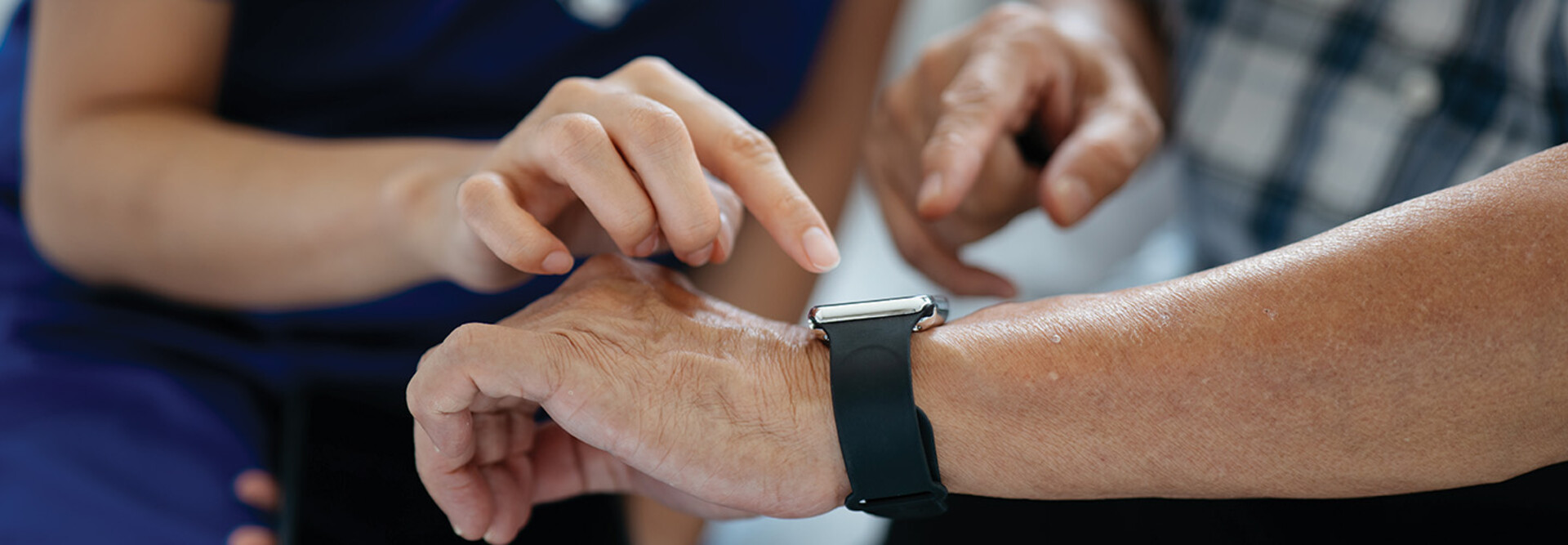
David Ebert, the chief AI and data science officer at the University of Arizona, emphasizes the revolutionary potential of artificial intelligence (AI) and wearables in remote patient monitoring (RPM). He highlights how the advanced processing capabilities of modern wearables and implantable devices transform healthcare delivery.
In the past, a patient with a pacemaker required a dedicated home monitor, but advancements now allow pacemakers equipped with Bluetooth sensors to transmit data directly to smartphones. This integration not only aggregates patient data but also sends timely notifications to healthcare teams. “We’re taking advantage of the capabilities that people are carrying around on a chip,” states Ebert. The integration of machine learning and predictive analytics into these devices boosts their effectiveness significantly.
For successful implementation of AI in RPM, two main factors are crucial. First, the efficiency of AI models must be prioritized. This includes compressing data to save bandwidth and refining outputs to provide more valuable insights, without overwhelming clinicians with raw data. Ebert warns, “We don’t want AI models to drain the battery or take up a lot of processing time,” highlighting the importance of addressing digital divide issues.
Second, seamless integration of data streams from wearables into electronic health records and clinical alert systems is essential. Ebert points out that without this integration, healthcare facilities may require additional equipment and substantial resources for setup.
In the context of implementing and scaling RPM with AI and wearables, Mahajan stresses the importance of ease of integration to avoid unnecessary workloads for clinicians. Effective solutions need upgraded data ingestion pipelines capable of handling high-frequency data and tools that can normalize aggregated data. “Organizations have to shift from systems built for episodes to systems built for continuous data,” Mahajan explains.
Ebert also discusses the evolution of devices from application programming interfaces to more advanced agentic AI interfaces. These advancements allow for remote deployment, monitoring, and updates of devices through software, eliminating the need for costly specialized hardware that can hinder adoption, especially in rural hospitals.
Furthermore, a significant barrier to uptake is the overwhelming number of single-use predictive models or clinical decision support tools. Mahajan notes, “Health systems aren’t willing to take on 100 different tools. They’re looking for platforms or systems.”
Concerns about AI replacing human clinicians also arise, but Dr. Sairam Parthasarathy, director of the Center for Sleep and Circadian Sciences at the University of Arizona, dispels these worries. He notes the scarcity of licensed providers and emphasizes the necessity for timely health advice, stating that many individuals should not have to wait until they are ill to receive assistance. The data from wearables, combined with AI insights, ensures that proactive care becomes a reality.
In summary, the integration of AI and wearable technology in remote patient monitoring offers a transformative approach to healthcare. By improving data processing, ensuring seamless integration, and prioritizing the right tools and models, healthcare systems can enhance their ability to provide timely and efficient care to patients.
The content above is a summary. For more details, see the source article.









