


Key Takeaways
- Soiling bands on solar panels can significantly reduce energy output and efficiency.
- Uneven dirt accumulation may increase maintenance costs and reliability risks.
- Implementing drainage solutions is essential for enhancing long-term solar asset performance.
Impact of Soiling on Solar Panel Performance
As the solar energy sector grows, the focus is shifting from installation efficiency to long-term asset performance. An often-overlooked issue is solar panel soiling, particularly the soiling bands that can form along the lower edges of panels. This accumulation of debris and dirty water, if not managed correctly, can significantly affect energy output and contribute to long-term performance degradation.
Soiling bands develop when dirty water stays on panel edges, leading to dust and residue deposition as it dries, which can result in uneven shading. Despite their seemingly minor size, these shaded areas can cause substantial reductions in overall energy output. In interconnected solar cells, shading in one section of a panel can diminish the output of a larger area. This issue escalates for larger rooftop, commercial, and utility-scale systems, making soiling an operational and maintenance (O&M) concern rather than merely a cleaning issue.
Maintenance and Reliability Risks from Soiling
Localized dirt build-up not only reduces energy output but creates inconsistent operating conditions across solar panels. Heavily soiled areas may experience increased thermal stress, leading to hot spots that can damage panel materials and components in the long run. Consequently, for asset owners, soiling bands represent a risk to both efficiency and overall system reliability.
Additionally, visible soiling bands necessitate more frequent and targeted cleaning efforts, increasing labor, time, and operating costs. In large solar installations, even minor increases in cleaning frequency can accumulate into significant costs over the asset’s lifespan.
Improving Drainage as a Practical Solution
Maintenance strategies for solar projects are evolving from reactive cleaning to preventative measures that minimize dirt accumulation. Factors such as drainage design, panel installation angle, localized weather conditions, and cleaning methods play vital roles in the development of soiling bands. Enhancing drainage around panel edges can effectively reduce the stagnant water that fosters soiling.
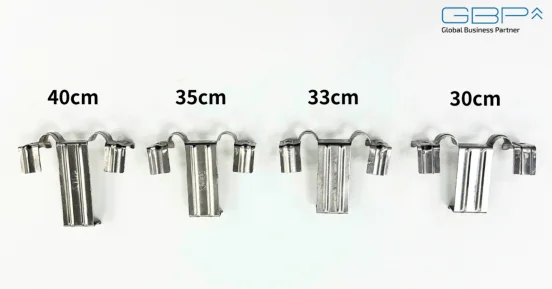
Utilizing drainage clips is a straightforward and effective method for managing this issue. These clips assist in directing water away from the edges of solar panels, curbing the buildup of dirty water and minimizing soiling band formation. Notably, these clips are easy to install on existing panel frames without necessitating extensive system modifications, making them a low-disruption option for both current and new solar projects focused on soiling prevention.
GBP emphasizes that while drainage clips constitute just part of an extensive maintenance strategy, they embody a broader industry trend where asset longevity depends on addressing both major components and finer operational details. With aging solar assets, there is an expected increase in the emphasis on effective maintenance measures that reduce performance losses, minimize cleaning requirements, and uphold the long-term value of solar projects.
The content above is a summary. For more details, see the source article.









