


Key Takeaways
- Coal retirements in the U.S. have slowed significantly, threatening clean energy goals.
- Rapid growth in solar and battery storage contrasts with increasing natural gas capacity.
- Rising electricity demand from data centers and electric vehicles poses additional challenges.
Transition at a Crossroads
For nearly a decade, the U.S. electricity system has been transitioning towards cleaner energy sources, notably solar and wind, while phasing out coal-fired power plants. However, recent trends indicate a slowdown in this shift. While solar energy continues to expand, the decline of coal has stuttered, with a notable rise in proposals for new natural gas plants, undermining efforts to reduce pollution and combat climate change.
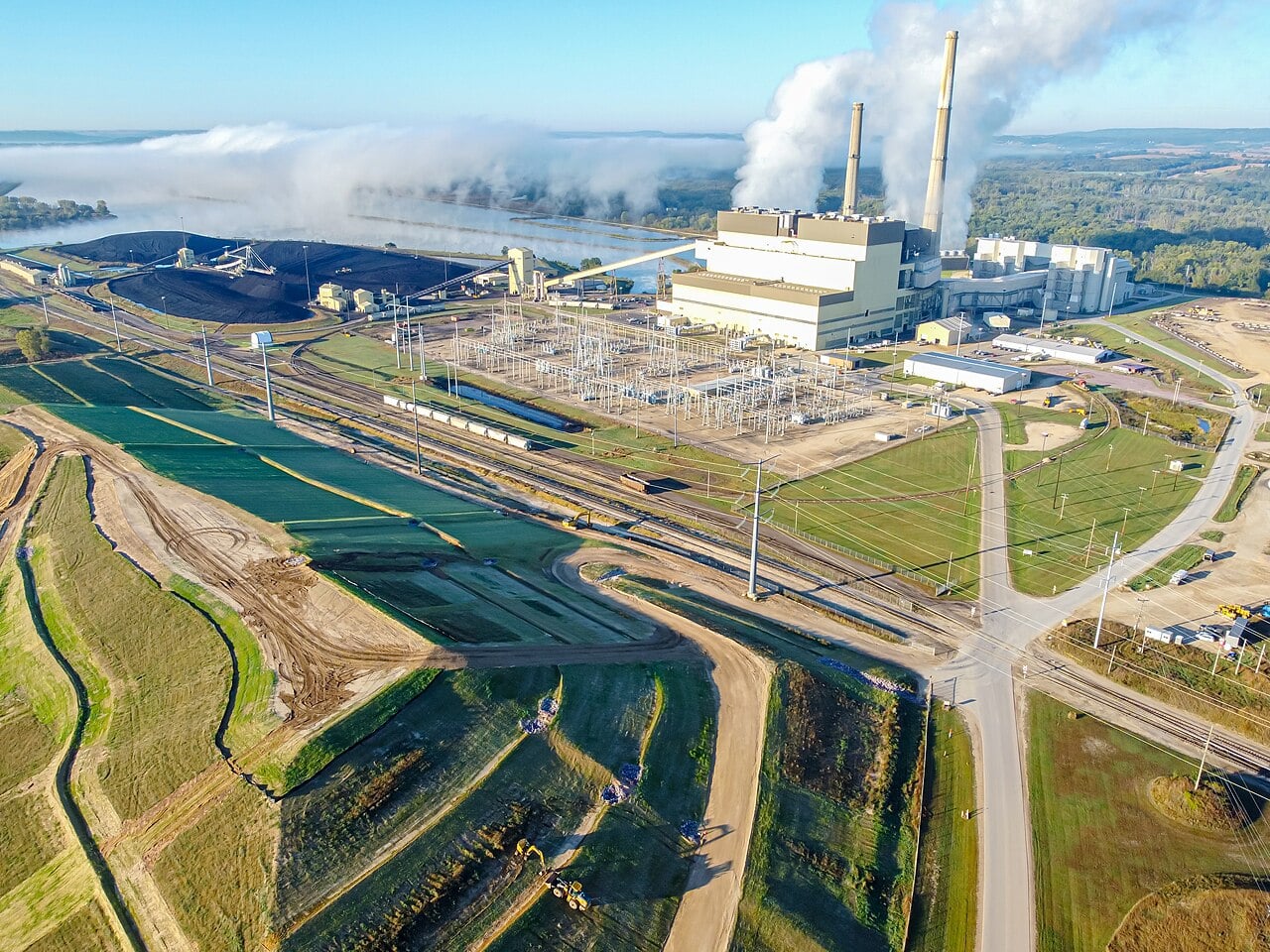
An analysis of monthly surveys from the U.S. Energy Information Administration (EIA) between January 2023 and December 2025 reveals concerning trends. By late 2022, there were 114 coal units set for retirement by 2030, but as of December 2025, about 40% of those anticipated retirements have been delayed. The reduction in coal capacity fell from 11.6 GW in 2022 to just 4.4 GW in 2025, pushing the potential full retirement of the coal fleet to 2065, rather than the previously expected 2040.
On a more positive note, solar capacity is expected to grow significantly, rising from 76.2 GW to 124 GW within the same timeframe. Battery storage is also on the rise, projected to double its capacity. However, the addition of natural gas plants—for which 41.8 GW of capacity is planned—contrasts starkly with the modest reductions expected in gas capacity by 2030.
The increasing demand for electricity, particularly from data centers and the adoption of electric vehicles (EVs), is putting further strain on the system. Data centers may consume up to 12% of U.S. electricity by 2028, while EVs present both a challenge and an opportunity for grid flexibility, depending on how charging infrastructure is managed.
The trajectory of the U.S. energy landscape reveals an urgent need for new strategies. Although the growth of solar and battery technologies could usher in a cleaner future, the persistence of coal and the expansion of natural gas investments create a critical juncture. To secure a sustainable energy transition, immediate policy decisions are essential. This includes fostering increased energy efficiency, easing barriers to renewable energy, and addressing aging fossil fuel plants to mitigate emissions and enhance grid resilience.
In summary, while advancements in solar and battery technologies are promising, a collective effort is required to prevent a resurgence in fossil fuel dependency and to navigate the rising electricity demands that threaten the progress made towards cleaner energy solutions.
The content above is a summary. For more details, see the source article.









