


Key Takeaways
- The Roborock Saros 10R features advanced navigation with StarSight technology, while the Saros 10 utilizes standard LDS LiDAR.
- Both robot vacuums retail for $1,599.99, offering similar cleaning performance with differences in mopping efficiency and dock design.
- Choosing between models depends on personal preferences for mopping types and docking mechanisms, especially for pet owners.
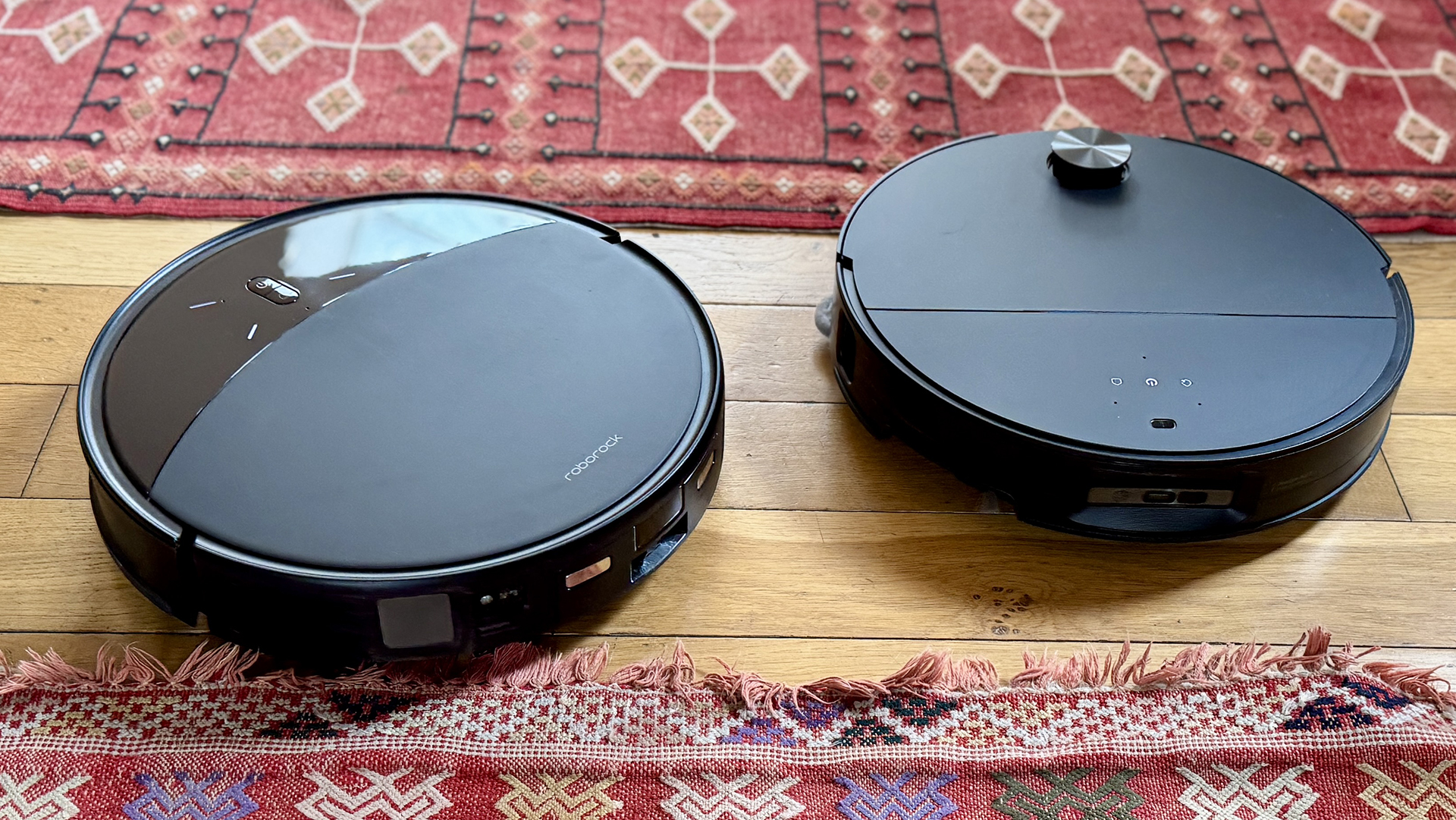
The Roborock Saros 10R and Saros 10 were both launched in January 2025 and are priced at $1,599.99. They are similar but have key differences that may influence a buyer’s choice. Both models are compact at 7.98cm in height, allowing them to navigate under low furniture.
### Navigation Systems
The Saros 10R employs a solid-state LiDAR system named StarSight, which allows it to operate without a turret, providing a sleek design. In contrast, the Saros 10 uses traditional LDS LiDAR but includes a retractable turret that lowers when maneuvering in tight spaces. Despite the different technologies, both models have demonstrated effective navigation in tests, tackling obstacles well.
### Mopping and Cleaning Performance
A notable difference in mopping capabilities exists between the two. The Saros 10R features two retractable mops that adjust during use, while the Saros 10 utilizes a vibrating D-shaped pad with a small side mop for corners. In practical assessments, the Saros 10R appeared more effective at preventing streaking on hardwood floors compared to the Saros 10.
### Dock Designs and Suction Power
Both vacuums come with elegant docking stations. However, their designs differ— the Saros 10R has exposed water tanks and a pull-off dustbin cover, while the Saros 10 has concealed tanks and a tactile push-to-open bin. In terms of suction power, the Saros 10 boasts a maximum of 22,000Pa compared to the Saros 10R’s 20,000Pa. Real-world testing suggested the Saros 10’s dock may be more efficient at emptying the robot’s bin, especially useful for pet owners dealing with hair.
### User Experience and Final Recommendation
User preferences may dictate which model is superior. The Saros 10R’s innovative navigation makes it suitable for more complex layouts, while the Saros 10 might be preferable for those who prioritize efficient docking and handling of pet hair. Overall, the recommendation leans toward the Saros 10 for pet owners due to reported issues with the Saros 10R’s docking suction.
In conclusion, both models are commendable robot vacuums. Buyers should assess whether advanced navigation or overall docking efficiency better suits their needs.
The content above is a summary. For more details, see the source article.









