


Key Takeaways
- India is pursuing a co-development partnership for a fifth-generation fighter engine with Rolls-Royce and Safran as key contenders.
- Both companies aim to establish a robust aerospace ecosystem through technology transfer and Indian ownership of intellectual property.
- Developing an indigenous engine is a priority for India, reducing dependence on foreign suppliers amid growing airpower needs.
India’s Ambitious Fighter Jet Engine Program
India’s initiative to co-develop a fifth-generation fighter engine has attracted significant interest from international aerospace firms, particularly British company Rolls-Royce and France’s Safran. This move aims to bolster India’s defense sector and reduce reliance on foreign engine technology, a long-standing challenge that has hindered the nation’s fighter jet programs.
In a recent partnership announced with Reliance Industries, a major Indian conglomerate, Rolls-Royce has positioned itself as a strong contender in this competitive landscape. The companies have expressed their intent to jointly create an indigenous engine for India’s Advanced Medium Combat Aircraft (AMCA) program. They also plan to explore establishing a dedicated aerospace gas turbine complex in India, which would facilitate full-scale engine design, production, and testing within the country.
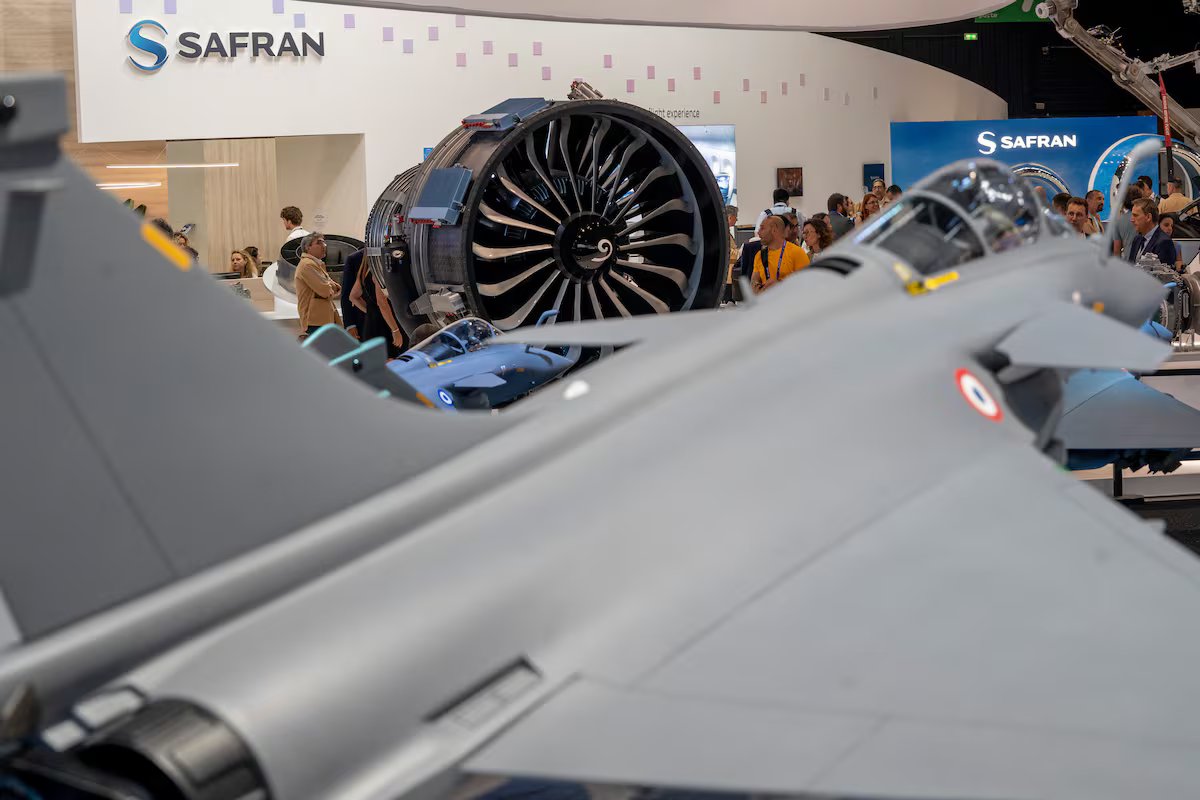
Safran is also vying for a significant role in this project, proposing to develop a high-thrust engine in collaboration with India’s Gas Turbine Research Establishment. This proposal is currently under evaluation by India’s Cabinet Committee on Security, which is responsible for key defense approvals.
India’s strategic objective is clear: to eliminate its dependence on foreign engine technology, which has been a crucial vulnerability. Over the years, India has struggled to develop engines capable of powering frontline fighter jets, which has forced its domestically manufactured aircraft to rely on imported engines. Although the initial variants of the AMCA are set to use the American GE F414 engine, India is eager to identify foreign partners willing to share advanced technology for future aircraft variants, specifically the AMCA Mk-2, requiring a high-thrust 120 kN class turbofan engine.
Rolls-Royce has emphasized its commitment to transfer technology and support indigenous production capabilities. In its recent partnership announcement, the company highlighted that this collaboration seeks to establish an aerospace industrial base in India, thus marking a significant milestone toward enhancing local manufacturing capabilities. Rolls-Royce CEO Tufan Erginbilgic stated that the partnership aims to merge propulsion expertise with the execution strengths of Reliance to create a self-reliant aerospace ecosystem.
On the other side, Safran is also making headway with its proposal by committing to a complete technology transfer, ensuring Indian engineers will gain essential skills for future propulsion programs. Safran’s CEO, Olivier Andries, underscored the uniqueness of their offer, which encompasses vital hot-section technologies and turbine architecture development.
As air power’s importance in modern warfare escalates, it’s imperative for India to not only secure an indigenous engine but also to gain access to critical technologies that only a select few nations possess. Retired Air Marshal Anil Khosla reiterated that India’s reliance on foreign suppliers poses a significant technological vulnerability, underscoring the necessity for domestic engine development.
As New Delhi evaluates the propositions from Rolls-Royce and Safran, the overarching question remains: will these companies provide in-depth process knowledge that India needs to advance its aerospace capabilities?
The content above is a summary. For more details, see the source article.









