


Key Takeaways
- Russia’s Rassvet satellite network now offers at least two daily communication windows over Ukraine, lasting over an hour each.
- The second batch of 16 Rassvet-3 satellites was launched on July 19, 2026, amid efforts to conceal the launch details.
- The network’s capabilities pose increasing challenges for Ukraine, which must prepare for enhanced Russian military communications.
Expanded Satellite Capabilities
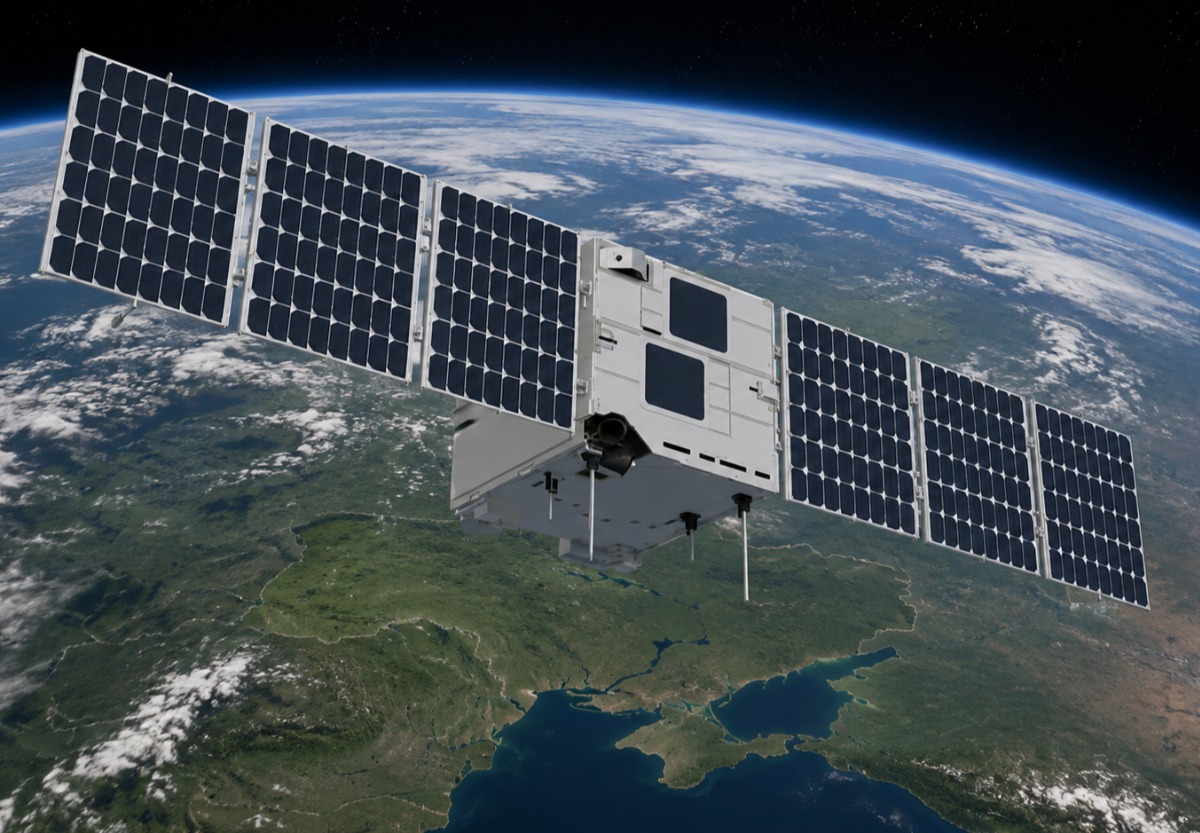
According to Militarnyi, Russia’s Rassvet satellite constellation has reached a significant milestone by providing at least two reliable communication windows daily over Ukraine, with each window lasting upwards of an hour. This development raises concerns among Ukrainian defense officials regarding the network’s ability to facilitate Russian military operations.
Bureau 1440, the Russian aerospace company behind Rassvet, was established in 2020 before becoming an independent venture. Its first operational satellite batch was successfully launched on March 23, 2026. As of July 31, 2026, twelve out of sixteen satellites have reached their designated operating altitude of 550 kilometers (342 miles), with others still in position adjustment or lost altogether.
Volodymyr Stepanets, a satellite communications expert, explained that this satellite constellation effectively creates a chain capable of providing coverage approximately twice a day, although the satellites pass over any specific area more frequently—roughly every ninety minutes on average. Analyzing satellite tracking data, it appears the Rassvet satellites are visible over Ukraine four times a day, with two or three passes ensuring stable connectivity.
These communication windows are essential because they allow Russian forces to manage various military assets, including naval drones and reconnaissance platforms. Bureau 1440’s terminals are designed to be compact and efficient, capable of operating across a wide temperature range while delivering bandwidth of up to one gigabit per second. These evolving capabilities risk facilitating extensive Russian military actions, especially as production scales up in the near future.
Strategic Launch Operations
On July 19, 2026, Bureau 1440 launched a second batch of 16 Rassvet-3 satellites from Plesetsk, employing a strategy to obscure the specifics of the launch. Prior to the launch, Russian authorities issued vague maritime and aviation warnings designed to mislead potential observers about the timing and details of the operation. Following the launch, even American space-tracking systems had already detected the new satellites independently.
Dutch researcher Bart Hendrickx noted that this secrecy is likely a response to Ukrainian drone activities targeting the Plesetsk launch site, which have increased since December 2025. Reports indicate that Ukrainian forces attempted a drone strike during the March launch of the first satellite batch, highlighting the heightened risks associated with Russian space operations.
According to Roscosmos chief Dmitry Bakanov, the successful launch required careful planning to counter threats from Ukraine, with attempts to disrupt operations being met with resilience from Russian military personnel.
Future Prospects and Challenges
Bureau 1440 has announced that commercial operations for the Rassvet network are anticipated to commence in 2027. The Russian plan involves deploying 250 satellites by 2027, scaling up to 730 by 2030, and reaching over 900 by 2035. To achieve these ambitious targets, the company will need to significantly increase the pace of satellite launches.
Currently, the interval between satellite batches has stretched to nearly four months, raising questions about whether Bureau 1440 can meet its goal of achieving consistent satellite coverage over Ukraine. Maintaining the current launch cadence could allow for a fourth satellite batch by March 2027, leading to round-the-clock communication capabilities by mid-summer 2027.
As these timelines unfold, the Ukrainian military faces an urgent challenge to enhance its jamming and countermeasure strategies before the full operational capacity of the Rassvet network is realized.
The content above is a summary. For more details, see the source article.









